English| EUR
Suggested for you
More currencies
Book Now
Open today · 10:30–17:30

Tea Ceremony and Samurai Experience Kyoto

Tea Ceremony & Samurai Experience — Dual Tradition in Kyoto

Matcha ritual in temple gardens, sword discipline in historic machiya

50K+ travelers chose this
Free Cancellation
Right now: Moderate — autumn shoulder season Tours depart every 15 minutes; arrive early to ensure full participation.
Free Cancellation
Instant confirmation Mobile voucher Free cancellation Verified partner Small group sessions
2,400 JPY
Entrance Fee
General admission includes guided museum tour
15 min
Tour Intervals
Tours depart frequently throughout the day
7 Days
Weekly Schedule
Open every day of the week
10:30
Opening Time
Daily start time for all experiences
Choose your ticket

Tea Ceremony and Samurai Experience Kyoto tickets at a glance

Compare fares, pick the fit — all bookings are mobile-voucher and eligible for free cancellation where shown.

Traditional Tea Ceremony in Historic Garden Tea House 45 min
Standard Entry

Traditional Tea Ceremony in Historic Garden Tea House

4.8 (4406)
$56
  • Entry ticket
  • Mobile voucher
  • Valid same day
  • Free cancellation
Book this ticket
Traditional Tea Ceremony at Jotokuji Temple 1 hr 10 min
Standard Entry

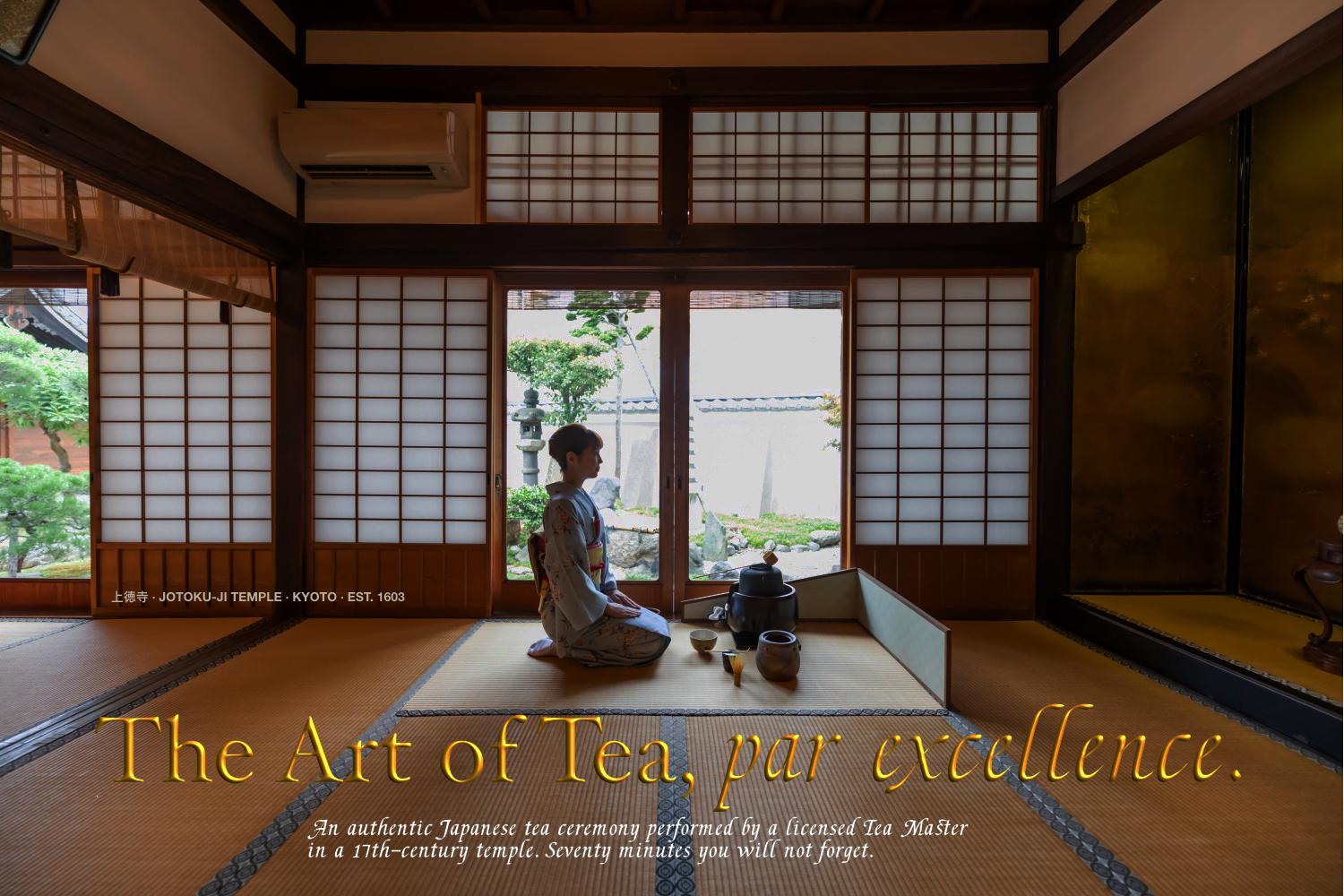
Traditional Tea Ceremony at Jotokuji Temple

4.9 (3756)
€25
  • Entry ticket
  • Mobile voucher
  • Valid same day
  • Free cancellation
Book this ticket
Compare options

Compare Tea Ceremony and Samurai Experience Kyoto ticket options

Visitors seeking a tea ceremony and samurai experience kyoto can choose between a streamlined museum entry or an immersive cultural combo package. These options provide travelers with flexible access to authentic history and traditional Japanese arts.

Basic Ticket Museum & Activities Top pick
Combo Experience Tea Ceremony & Samurai
Access Type Museum Guided Tour
Inclusions Armor trial and ninja skills
Duration 60 minutes
Arrival 10:30–17:00
Best for Budget-conscious history fans

Verdict: Choose the Basic Ticket for a focused samurai tour, or the Combo Experience to fully engage with the tea ceremony and samurai experience kyoto tour.

Evaluating the Value of a Tea Ceremony and Samurai Experience Kyoto

Worth it for cultural enthusiasts seeking hands-on immersion

Whether tea ceremony and samurai experience kyoto packages deliver value depends on the depth of interaction you seek. The museum's 2,400 JPY admission provides a guided tour through samurai history, but the real return comes from combo experiences that pair education with participation. Options like the Kyoto Armored Warrior Experience bundle sword training, tea ceremony, and calligraphy into a single session, offering tactile engagement with martial arts and cultural etiquette. Traditional Tea Ceremony packages at historic venues like Jotokugi Temple or garden tea houses add ritual context absent from typical museum visits. For travelers prioritizing authentic instruction over passive observation, these tea ceremony and samurai experience kyoto tours justify their cost through expert-led demonstrations and period-appropriate settings. The machiya training sessions and Gion kimono ceremonies provide layered cultural exposure that generic sightseeing cannot replicate. However, each activity requires dedicated time blocks, and guided tours follow fixed schedules that limit spontaneous exploration.

What makes it worth it

  • Hands-on samurai sword training with instructors
  • Authentic tea ceremony in historical settings
  • Educational museum tour included in admission
  • Multiple combo options for varied interests
  • Period costumes and traditional venues enhance immersion

Keep in mind

  • Fixed tour schedules reduce flexibility
  • Activities require separate time commitments
  • Museum tour alone offers limited interaction
  • Premium experiences exceed basic admission cost

Bottom line: Choose combo packages if you want participatory cultural education; skip if you prefer self-guided museum browsing.

Head to head

Samurai Experience vs Samurai Kenbu Theater — Which Is Better?

They complement each other; most visitors who do both call the tea ceremony and samurai experience kyoto tour the more versatile option for combining history with hands-on warrior training.

Top pick
Samurai Experience
Samurai Kenbu Theater
Focus Traditional sword dance performance
Indoor Activities Sword dance lessons and demonstration
Best For Performance and martial arts enthusiasts
Duration 1–2 hours
Entry Fee 3,000–5,000 JPY (Varies)
Skill Level Intermediate (Focus on form)
Location Higashiyama District

Verdict: Choose the tea ceremony and samurai experience kyoto tickets if you prioritize a comprehensive, interactive museum journey over the specialized, performance-based sword arts offered at the Kenbu Theater.

Featured Experiences

Popular Tea Ceremony and Samurai Experience Kyoto tours & activities

Hand-picked experiences loved by thousands of travelers

Recommended Experience

Powered by GetYourGuide

Another traveler favorite

Powered by GetYourGuide
Kyoto Armored Warrior Experience with Tea & Calligraphy 1 hour 30 minutes Free Cancellation

Kyoto Armored Warrior Experience with Tea & Calligraphy

Dress in traditional battle gear and walk Kyoto's streets as a warrior, complete with tea ceremony and fan art

5 (114)
FromFrom $95.03
See details
Gion Kimono Tea Ceremony at Orizuruya 1 hour 30 minutes (2 hours with calligraphy option) Free Cancellation

Gion Kimono Tea Ceremony at Orizuruya

Dress in traditional kimono, learn matcha preparation, and experience an authentic tea ceremony in Kyoto

4.9 (1870)
FromFrom $49.27
See details
Traditional Tea Ceremony in Historic Machiya Townhouse 50 minutes Free Cancellation

Traditional Tea Ceremony in Historic Machiya Townhouse

Master the art of matcha preparation in a century-old wooden residence near Kyoto's Imperial Palace

4.8 (890)
FromFrom $24.64
See details
Samurai Sword Training & Zen Meditation in Historic Kyoto Residence 2 hours Free Cancellation

Samurai Sword Training & Zen Meditation in Historic Kyoto Residence

Train with authentic samurai swords, cut through targets, and find your center with Zen meditation.

4.9 (53)
FromFrom €100.47
See details
Kimono Tea Ceremony with Matcha in Kyoto 1 hour 30 minutes Free Cancellation

Kimono Tea Ceremony with Matcha in Kyoto

Dress in traditional kimono and master the art of matcha preparation in an authentic tea ceremony

4.9 (650)
FromFrom €46.89
See details
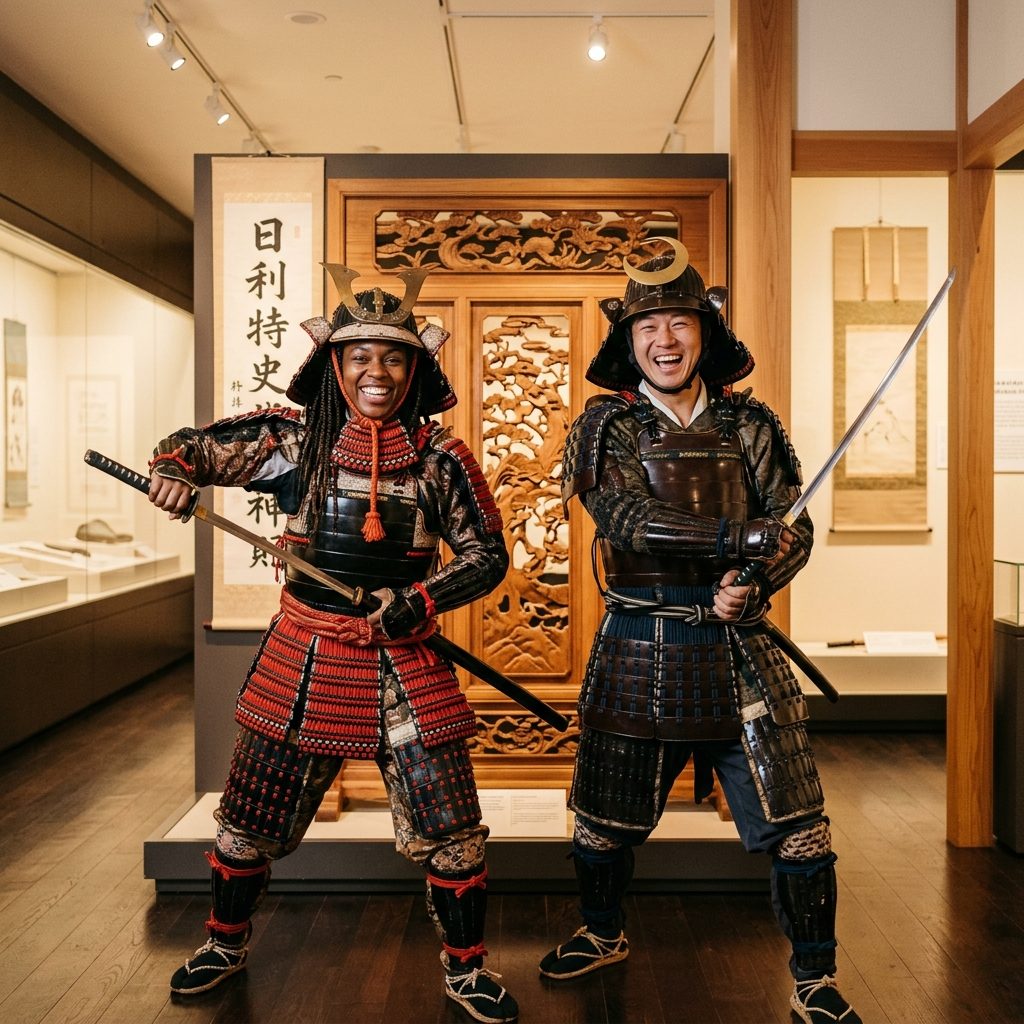
Samurai Armor Tea Ceremony with Professional Photography 1 hour Free Cancellation

Samurai Armor Tea Ceremony with Professional Photography

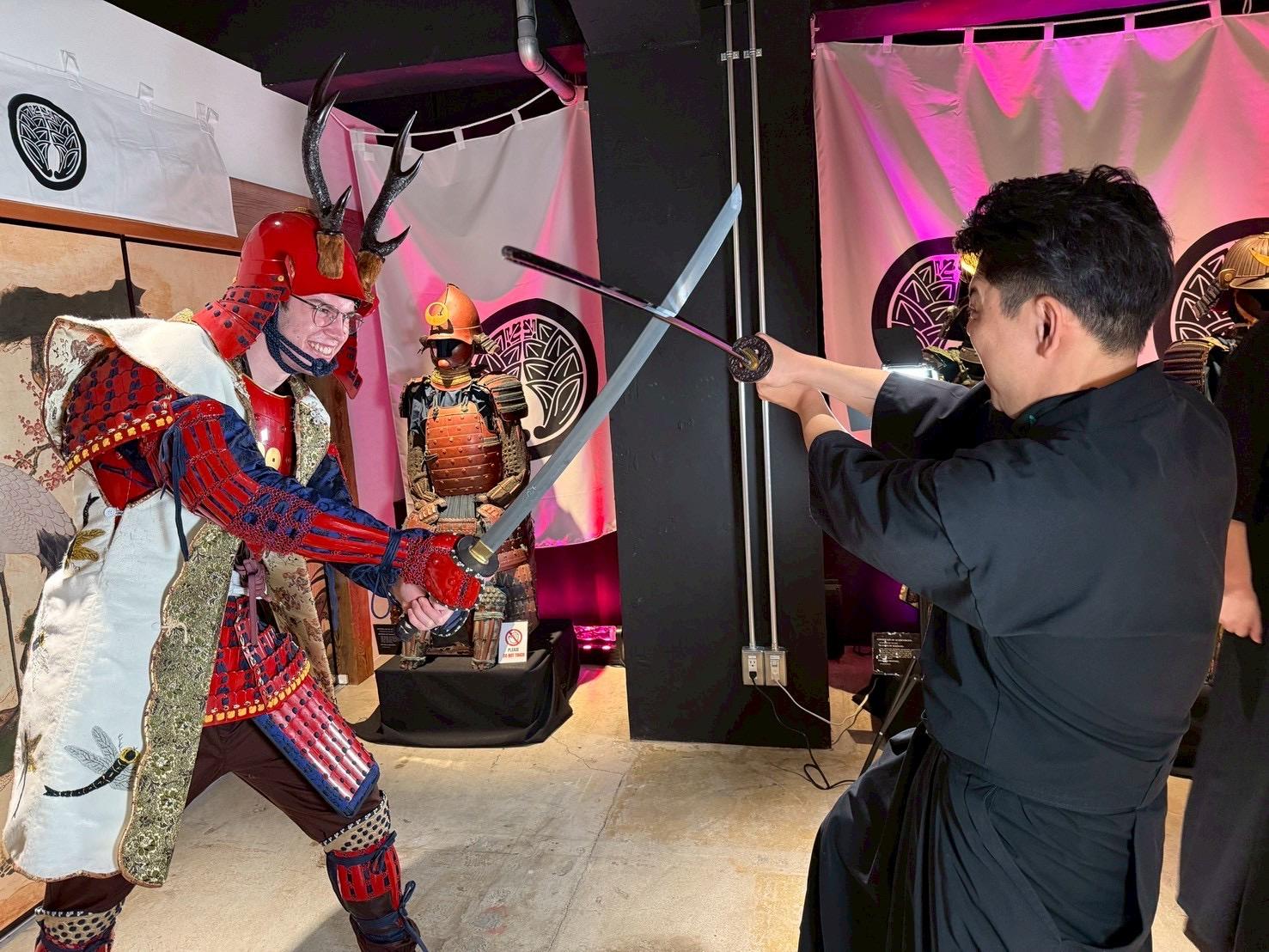
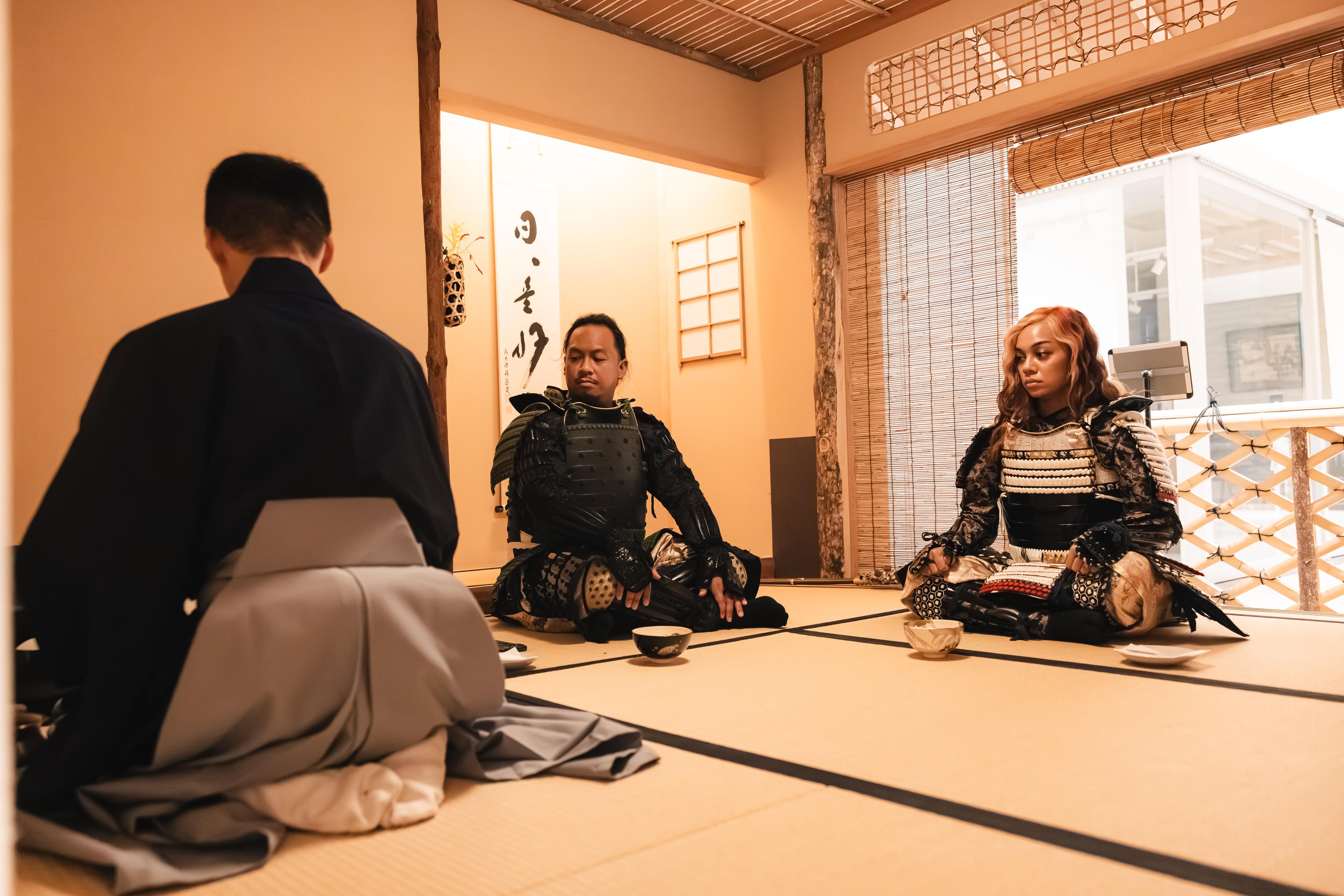
Participate in an authentic Urasenke tea ritual while dressed in film-grade samurai armor at a traditional Kyoto venue

FromFrom €66.98
See details
Kyoto Tea Ceremony Lesson with Licensed Master 45 minutes Free Cancellation

Kyoto Tea Ceremony Lesson with Licensed Master

Learn authentic matcha preparation from an Urasenke-trained tea master in an intimate 45-minute session

4.3 (2516)
FromFrom $22.4
See details
Private Samurai Tea Ceremony in Kyoto 1 hour Free Cancellation

Private Samurai Tea Ceremony in Kyoto

Experience an intimate tea ritual steeped in warrior heritage with freshly whisked matcha and sweets

FromFrom $120
See details
What you'll see

What you'll see at Tea Ceremony and Samurai Experience Kyoto

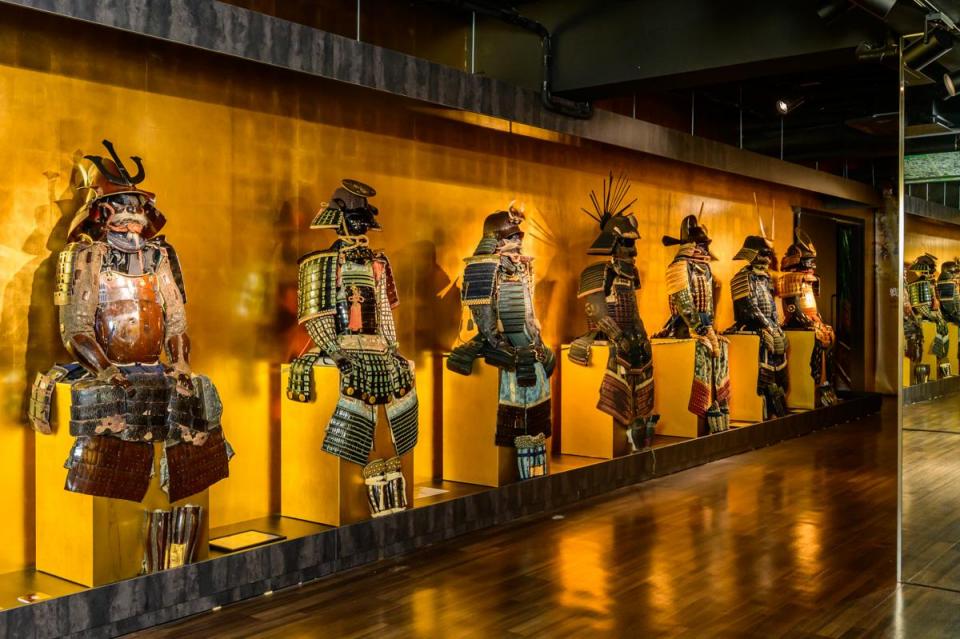
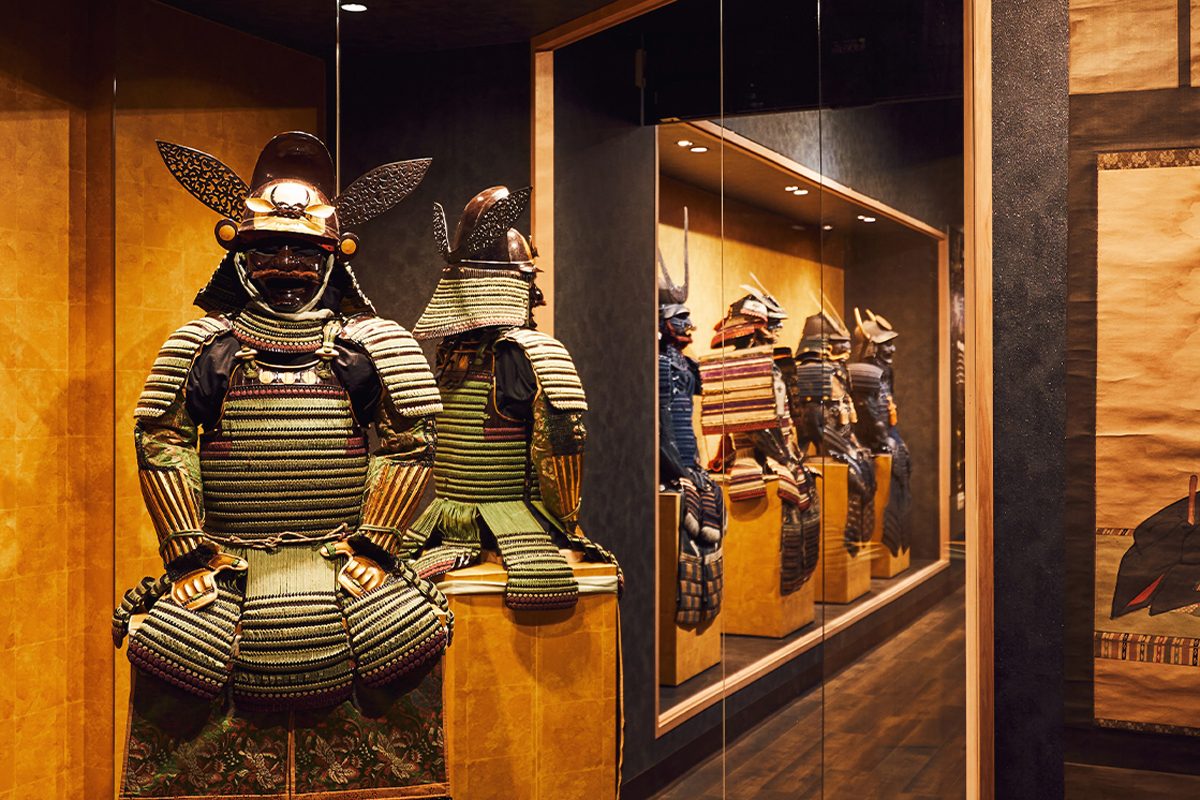
Samurai Armor Collection

Samurai Armor Collection

View authentic Edo-period suits of armor and learn about the significance of the bushido code.

Ninja Star Workshop

Ninja Star Workshop

Learn the traditional art of shuriken throwing at the Samurai Experience.

Replica Katana Dojo

Practice handling techniques with a blunt replica sword under the guidance of a professional.

Traditional Tea Room

Traditional Tea Room

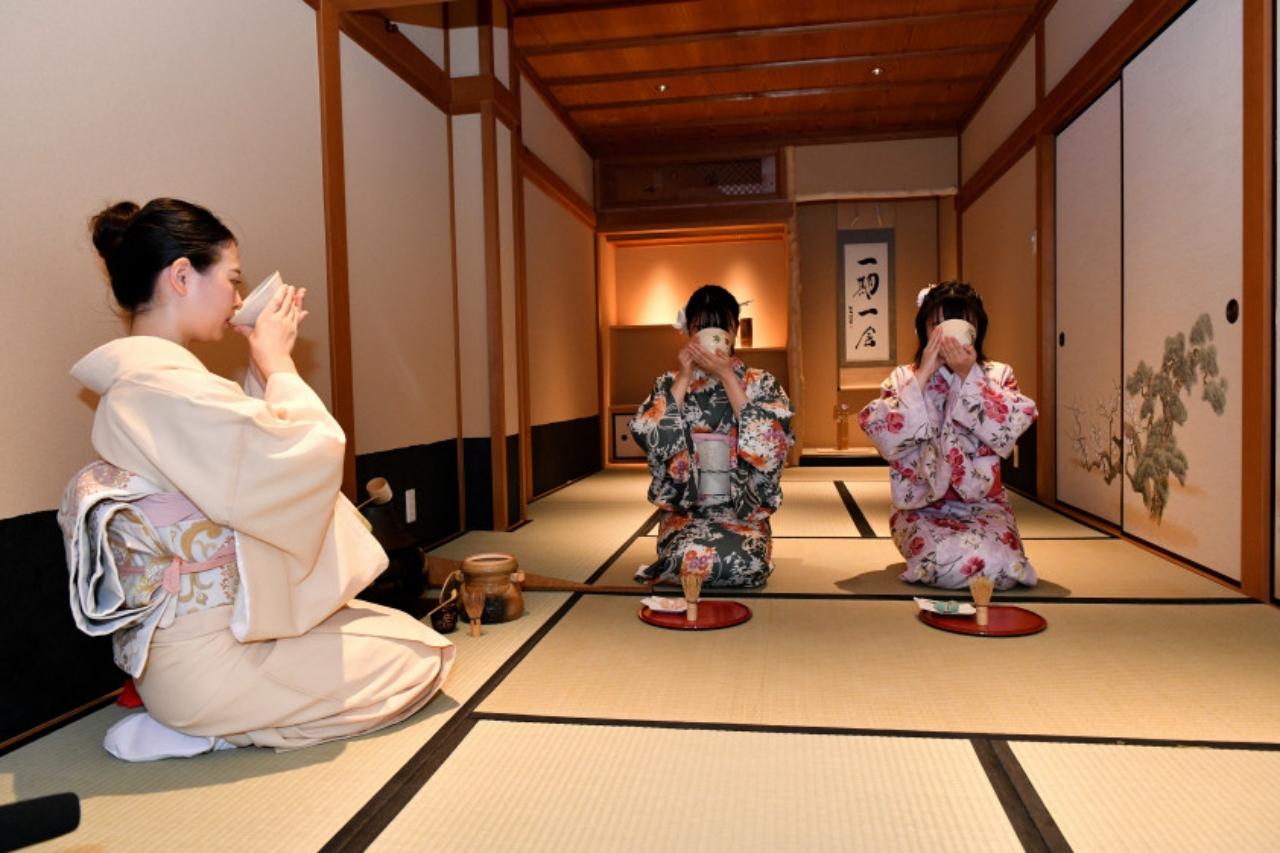
Experience a formal tea ceremony as part of your tea ceremony and samurai experience kyoto visit.

History Gallery

History Gallery

Explore the social hierarchy of the Edo period through curated exhibits.

The experience

What visiting Tea Ceremony and Samurai Experience Kyoto is really like

You arrive at a machiya townhouse in Nakagyō Ward, slide open the lattice door, and step into a narrow corridor lined with stone and bamboo. Your host greets you in a keikogi jacket, gestures toward a low bench, and invites you to remove your shoes.

Read more Show less

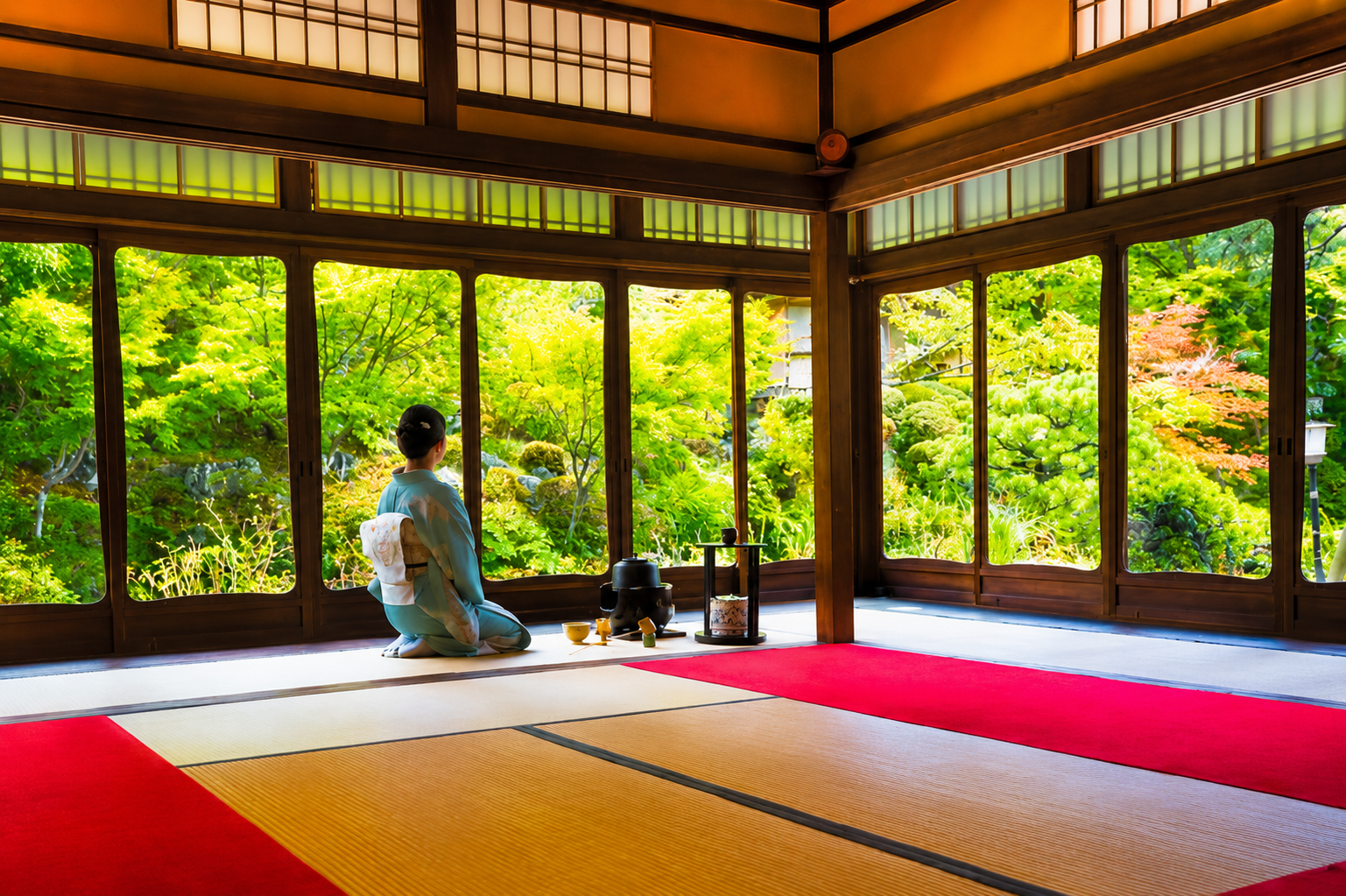
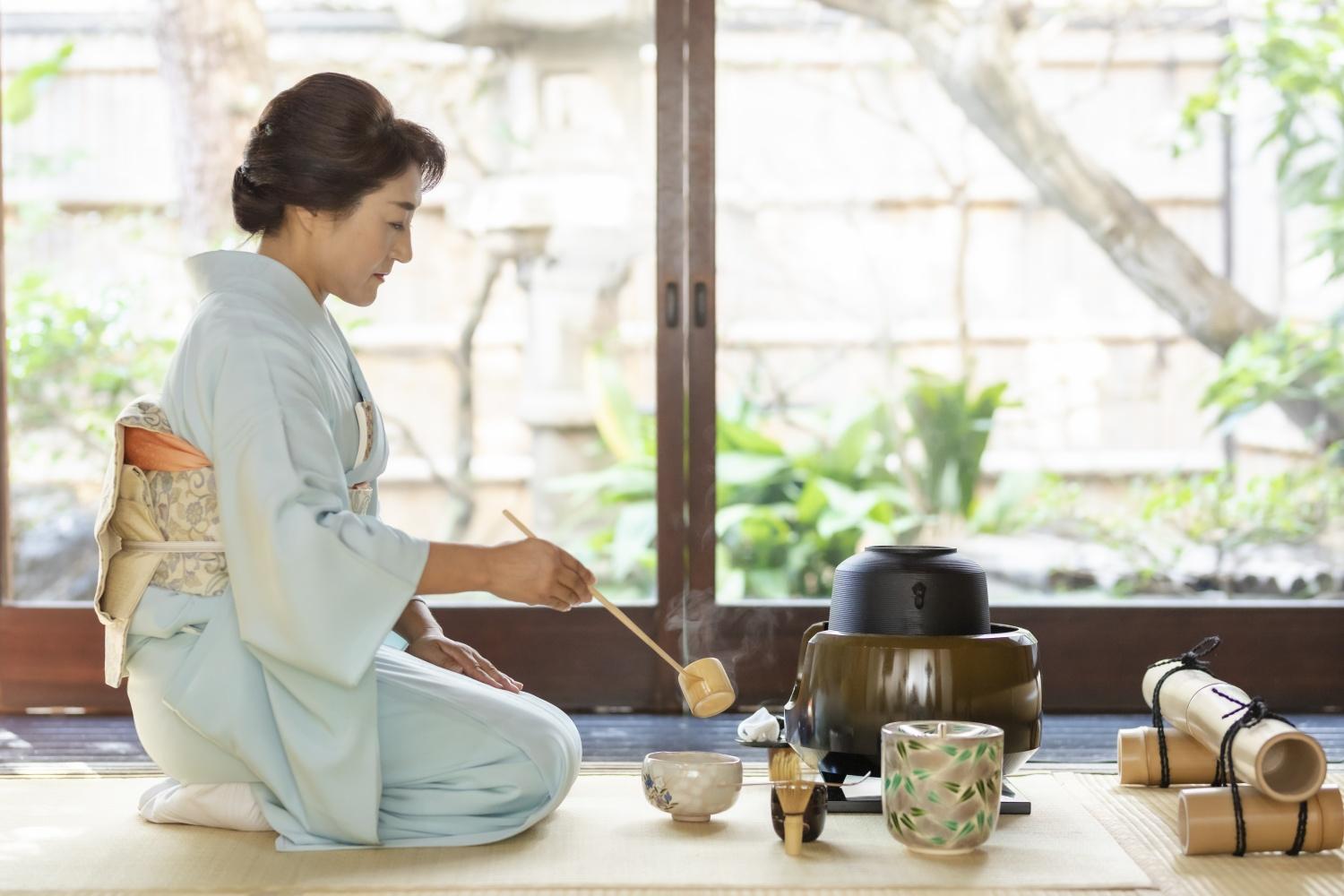
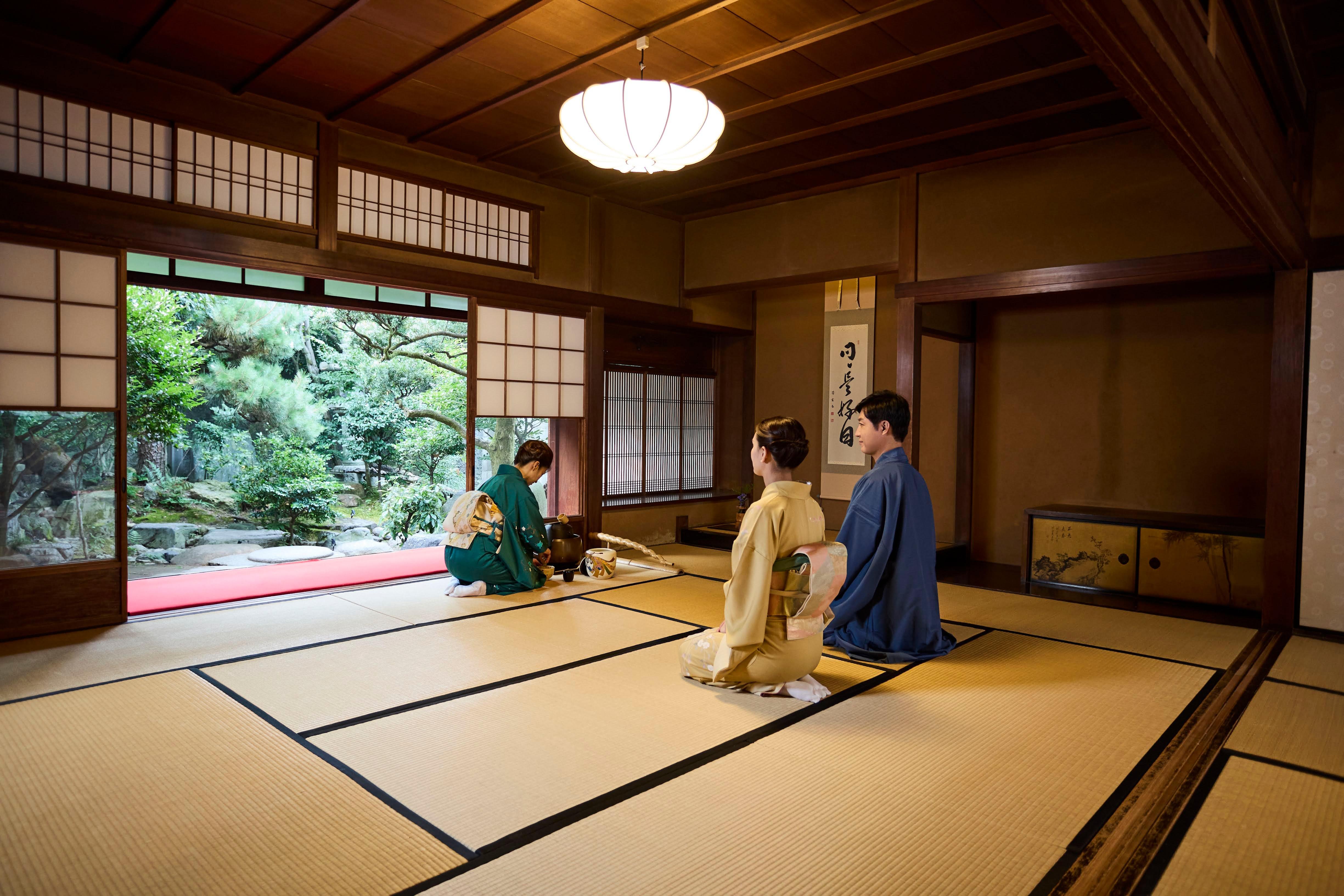
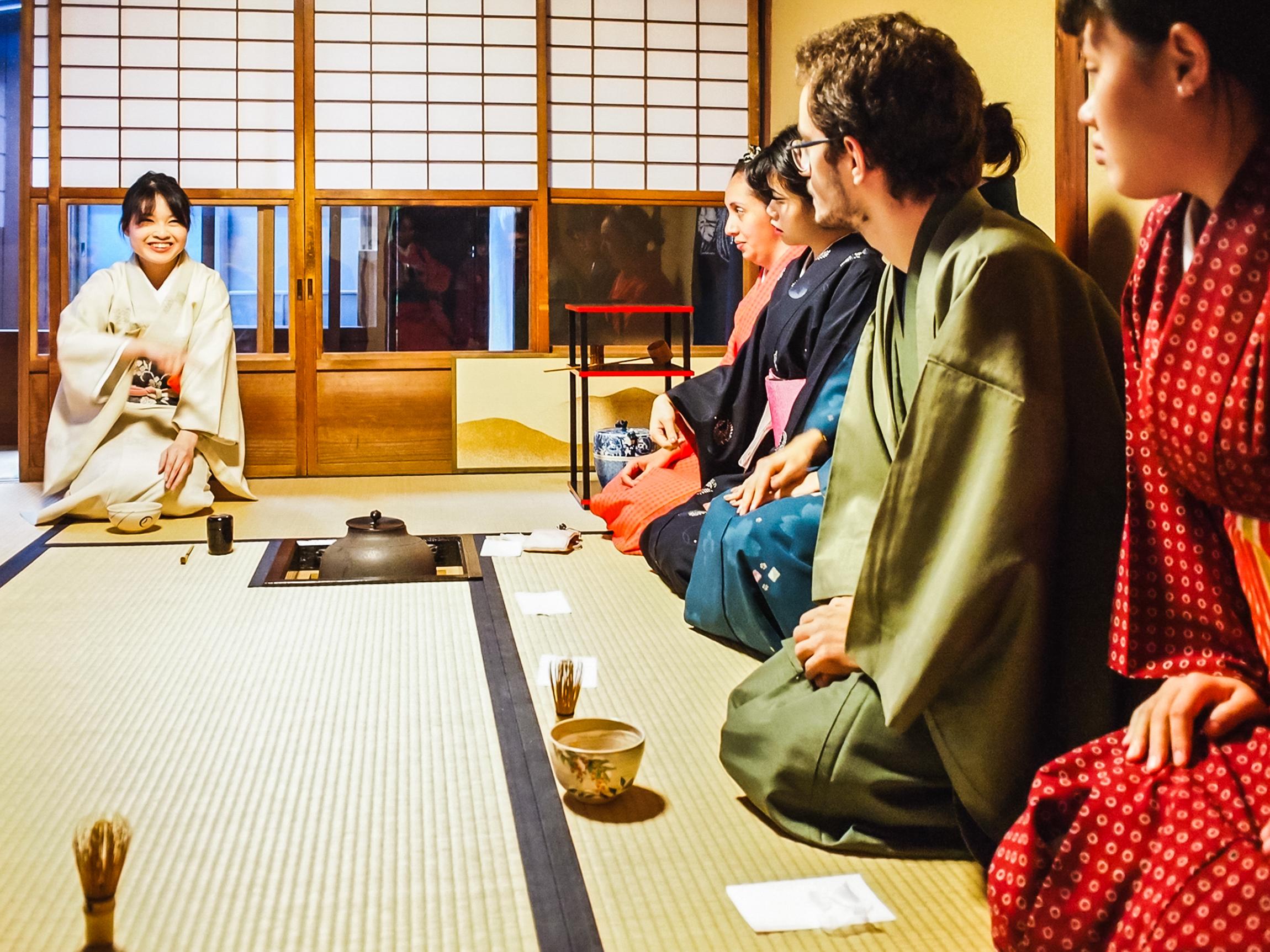
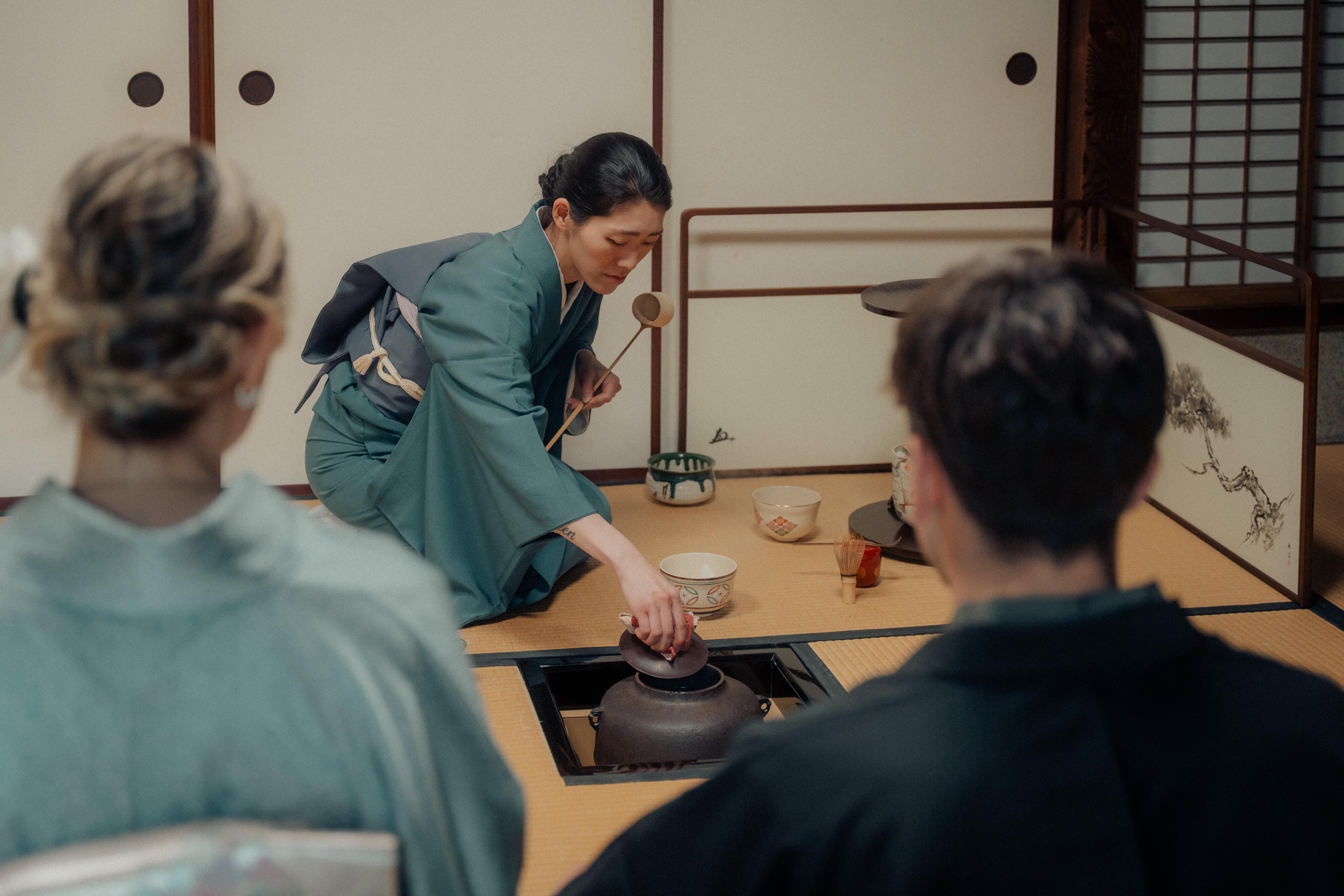
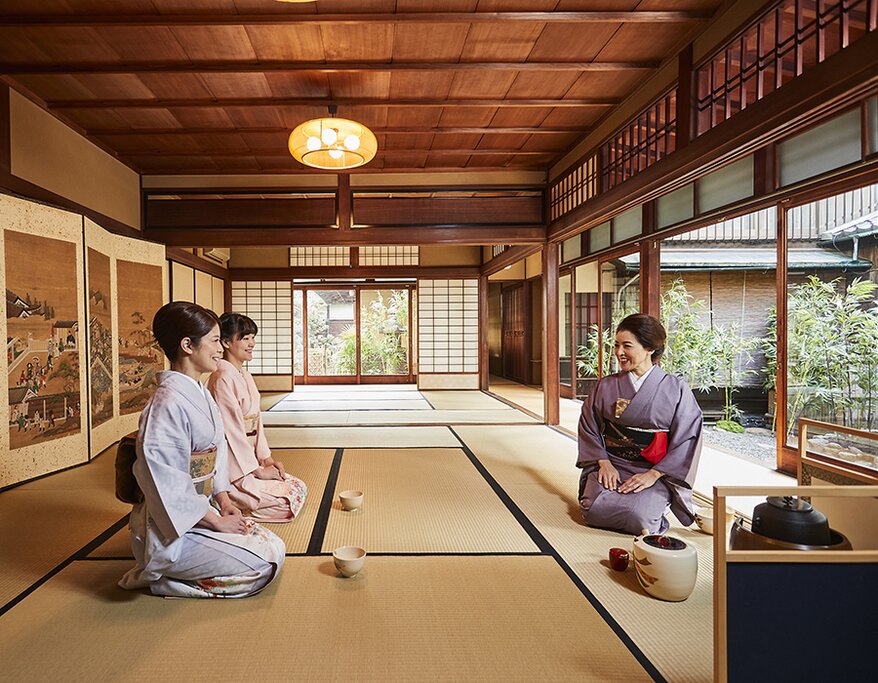
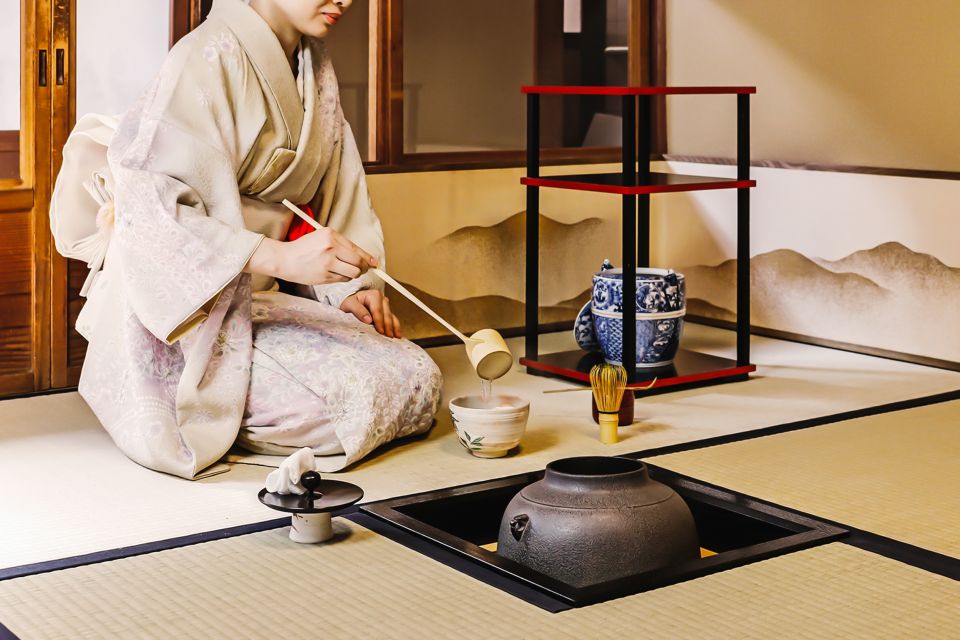
The first half begins in a six-mat tatami room with a tokonoma alcove holding a single scroll and a ceramic vase. You kneel on a silk cushion as the host kneels opposite, arranging a lacquer tea caddy, a bamboo whisk, and a raku-fired bowl on the tatami. Water simmers in an iron kettle. The host folds a purple silk cloth, wipes the tea scoop, measures three scoops of matcha powder, and pours hot water in a slow arc. The whisk moves in tight circles, building foam. The bowl is rotated twice and passed to you. You bow, turn the bowl clockwise, and drink in three sips—bitter, grassy, warm.

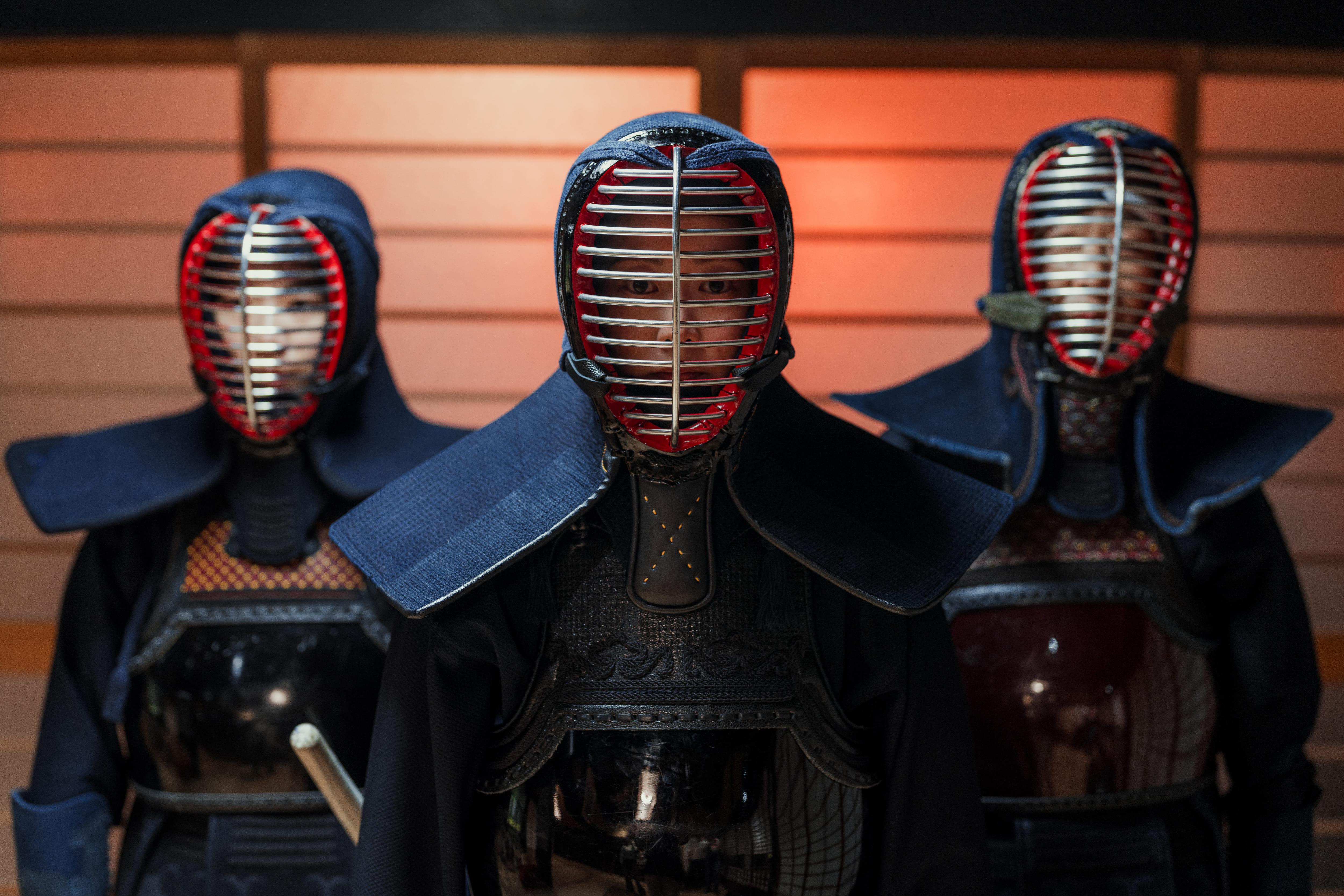
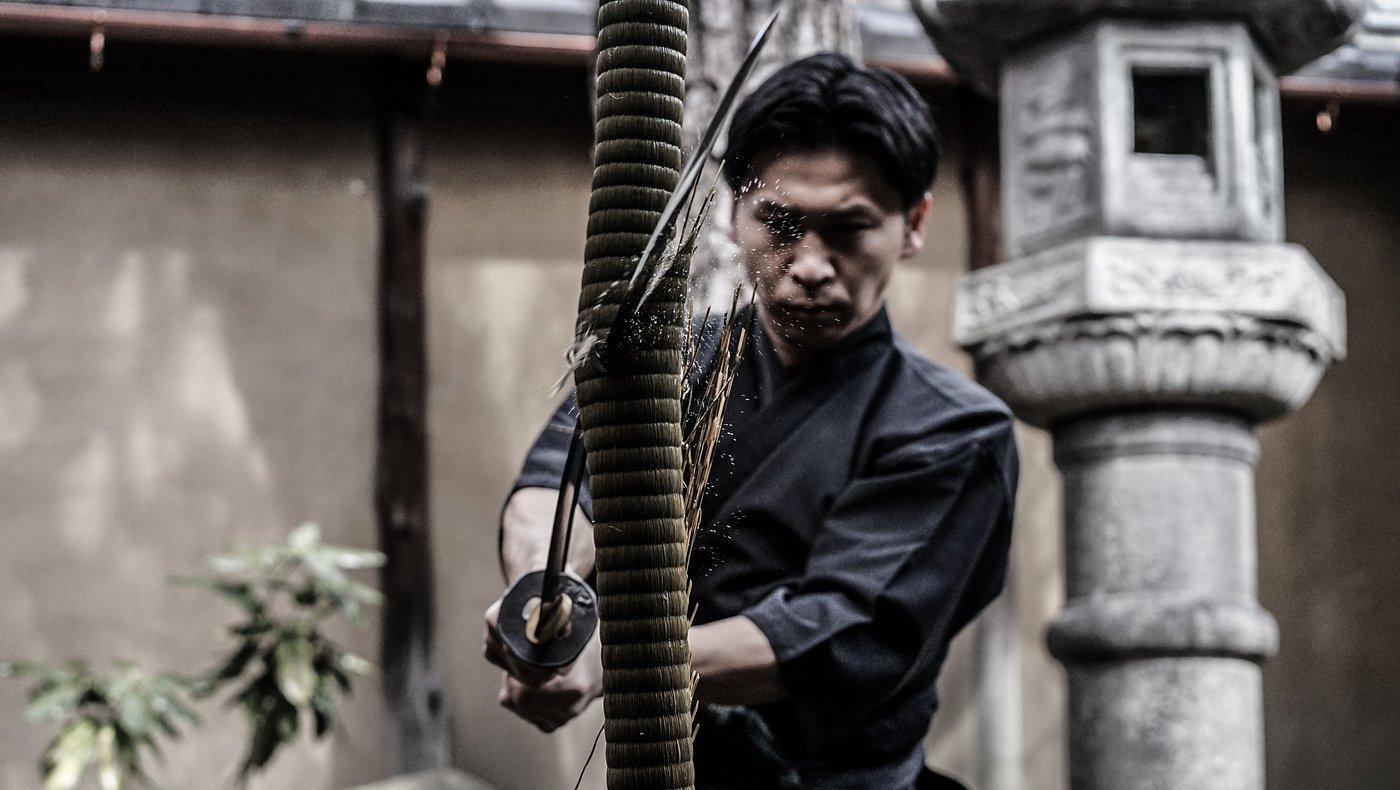
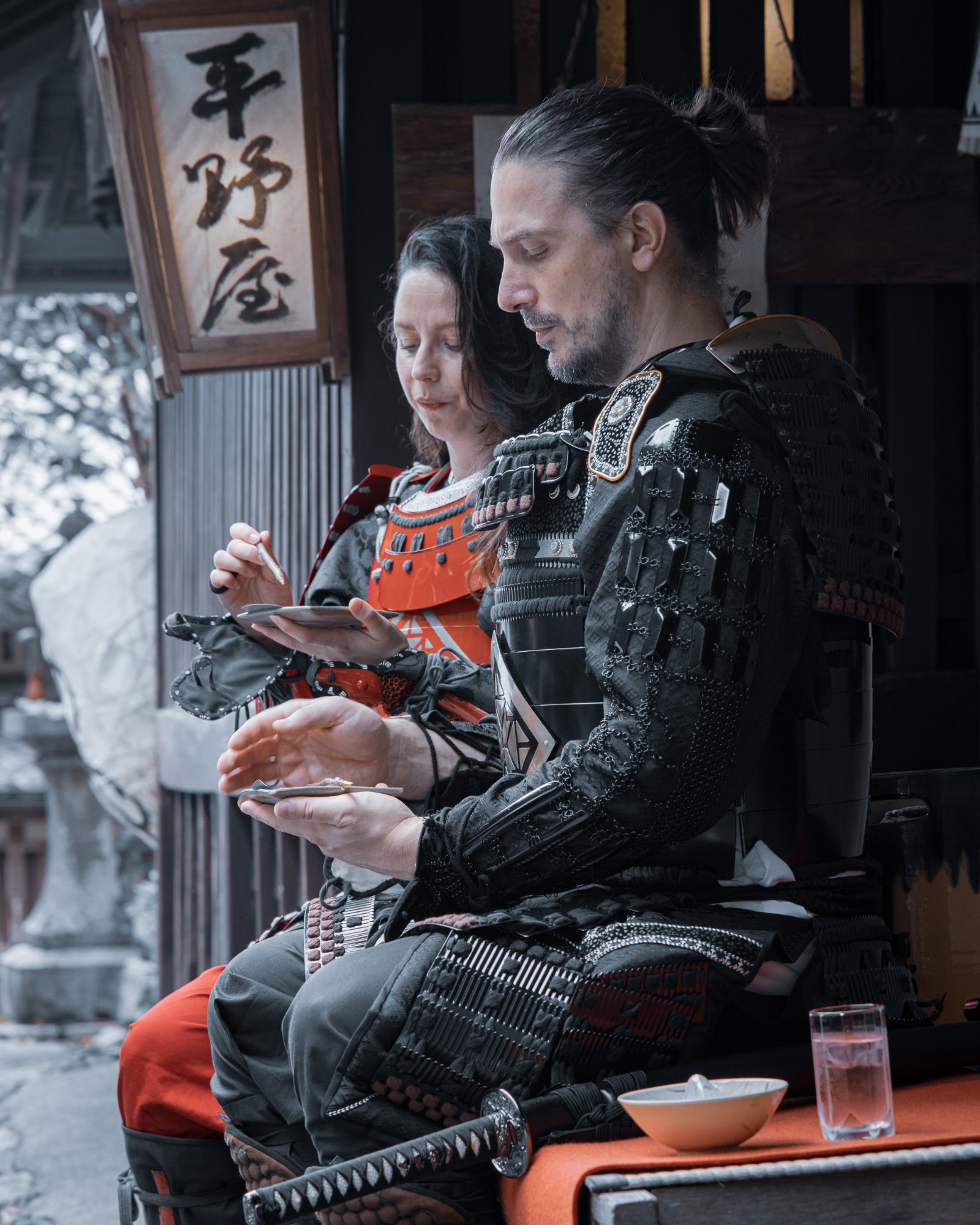
After tea, you move to an adjacent training hall with wooden floors and a rack of bokken swords. The instructor, a certified kendoka, demonstrates a front stance: feet shoulder-width, knees bent, weight forward. You grip a wooden sword with both hands, raise it overhead, and bring it down in a vertical cut called shomen-uchi. The instructor corrects your posture—hips forward, arms extended, breath timed to the strike. You repeat the cut twenty times, feeling the rhythm settle. The session closes with a brief meditation: you kneel again, eyes half-closed, hands resting on your thighs, and listen to the sound of wind through the garden outside.

Tea Ceremony and Samurai Experience Kyoto
Everything You Need to Know

Your complete Tea Ceremony and Samurai Experience Kyoto guide

All the details about your upcoming adventure in one place

The pairing of tea ceremony and samurai experience in Kyoto reflects a historical alliance between two disciplines that shaped Japan's elite warrior class.

Samurai were not only martial strategists but also patrons of chanoyu, the Way of Tea, which Zen monks formalized in the 15th century as a practice of mindfulness and precision. Sen no Rikyū, tea master to warlord Toyotomi Hideyoshi, codified the ritual's minimalist aesthetic—four principles of harmony, respect, purity, and tranquility—that mirrored the samurai code of bushido. In Kyoto, the imperial capital for over a millennium, tea houses and dojo existed side by side in the machiya townhouses of Nakagyō and along the temple corridors of Higashiyama, creating a cultural ecosystem where contemplation and combat discipline reinforced one another.

Today, tea ceremony and samurai experiences offered across Kyoto allow visitors to inhabit both registers of this warrior-scholar tradition. Authentic sessions take place in restored machiya with earthen walls and lattice windows, or within the moss gardens of working temples where monks still conduct morning rites. The tea ritual unfolds in a small tatami room: guests kneel on woven straw, watch the host whisk matcha powder into emerald froth, and receive the bowl with a choreographed turn. Every gesture—the angle of the ladle, the fold of the silk fukusa cloth—carries centuries of transmitted form. The samurai portion introduces participants to kendo or iaido, sword arts practiced in keikogi jackets and hakama trousers, often with bokken wooden swords or blunted steel blades. Instructors demonstrate kata, the stylized combat sequences that encode strategy and posture, then guide participants through strikes and blocks.

Kyoto's combination experiences are anchored by real lineages. Some tea instructors hold certification from the Urasenke or Omotesenke schools, direct descendants of Rikyū's teaching line. Samurai sessions may be led by practitioners trained at historic dojo or by actors who have performed in jidaigeki period dramas at Toei Kyoto Studio Park. Venues include Jotokuji Temple in Kita Ward, where tea is prepared in a 17th-century pavilion overlooking a raked gravel garden, and private machiya in Gion, where the same wooden beams that supported Edo-period merchants now frame modern cultural exchanges. The pairing is not arbitrary: both practices demand stillness, economy of motion, and awareness of ma—the concept of negative space and timing that governs traditional Japanese arts. A tea ceremony and samurai experience in Kyoto is an entry point into that shared aesthetic, one that treats restraint as a form of power and ritual as a path to presence.


Every gesture—the angle of the ladle, the fold of the silk fukusa cloth—carries centuries of transmitted form.

Dress code

Casual comfortable clothing is recommended as you will be wearing samurai armor and ninja costumes over your clothes. Please wear socks as you may need to remove your shoes in certain areas.

Bags & security

Lockers are available for personal items; however, please minimize large luggage as space is limited in the museum. All participants are subject to standard safety protocols during the tea ceremony and samurai experience kyoto.

Photography

Photography is permitted and encouraged, especially when wearing traditional armor or during the tea ceremony and samurai experience kyoto. Please respect staff instructions regarding restricted areas.

Families & strollers

The museum is family-friendly and children are welcome. Please note that certain active sessions like the sword experience may have age or size requirements for safety.

Accessibility

The museum is wheelchair accessible, though some interactive portions of the tea ceremony and samurai experience kyoto may require assistance.

Food & drink

Complimentary tea and traditional Japanese sweets are provided during specific packages. Outside food and drink are generally not permitted inside the exhibit halls.

Not allowed

× Sharp objects × Flammable materials × Large suitcases × Excessive photography equipment × Unauthorised recording devices × Outside weapons × Pets × Illegal substances

What to bring

✓ Comfortable socks ✓ Camera ✓ Valid identification ✓ Booking confirmation ✓ Bottled water

Opening hours

Mon 10:30–17:30
Tue 10:30–17:30
Wed 10:30–17:30
Thu 10:30–17:30
Fri 10:30–17:30
Sat 10:30–17:30
Sun 10:30–17:30

How to get there

At a glance

Opening hours

10:30–17:30

Address

109 Horinouechō, Nakagyo Ward, Kyoto, Japan

Accessibility

Wheelchair accessible

Arrival

10:30–17:00

Storage

Limited storage available

Navigation

4-minute walk from Nishiki Ichiba Market

Cancellation policy

You can cancel up to 24 hours in advance of the experience for a full refund. This policy applies to all bookings including the tea ceremony and samurai experience kyoto.

Plan your time

Planning Your Tea Ceremony and Samurai Experience Kyoto Visit

Recommended time

2 hours

A visit to the tea ceremony and samurai experience kyoto typically requires two hours to fully appreciate the guided museum tour and cultural demonstrations. Because tea ceremony and samurai experience kyoto tours depart every 15 minutes, guests should arrive early to ensure full participation in these Kyoto landmarks. Securing tea ceremony and samurai experience kyoto tickets in advance helps maintain a steady flow, though mid-afternoon remains the period with the highest visitor density.

Crowd levels through the day

10:30–12:00 Light
12:00–13:30 Moderate
13:30–15:00 Busy
15:00–17:00 Moderate
The story

Historical Context for Your Tea Ceremony and Samurai Experience Kyoto

The tea ceremony and samurai experience kyoto offerings at the Samurai & Ninja Museum occupy a traditional Kyoto machiya townhouse in Nakagyo Ward, a district that served as the commercial heart of the imperial capital for over a millennium. These wooden structures, with their narrow street facades and deep interior courtyards, housed merchant families and artisans from the Heian period onward. The machiya's latticed windows and earthen walls create the intimate atmosphere essential to chanoyu, the Way of Tea, which Sen no Rikyū codified in the sixteenth century as a practice emphasizing humility and harmony. Samurai sword arts evolved alongside tea culture during the Muromachi period, when military governors adopted Zen aesthetics and ritualized practice. The connection between blade discipline and tea ceremony deepened under the Tokugawa shogunate, which relocated to Edo in 1603 but maintained Kyoto as the symbolic seat of cultural authority. Samurai stationed in Kyoto studied swordsmanship at established dojo while patronizing tea masters, creating the dual tradition that tea ceremony and samurai experience kyoto tours now interpret for visitors. The Meiji Restoration of 1868 stripped samurai of their legal status and banned public sword-wearing, threatening both martial traditions and the tea houses that had served the warrior class. Many sword schools dissolved, and tea practitioners lost their primary patrons. However, kendo emerged as a modern sport preserving sword techniques, and tea ceremony transitioned from elite ritual to broader cultural practice. Contemporary tea ceremony and samurai experience kyoto tickets grant access to these adapted traditions within a machiya setting, where costumed instruction and curated demonstrations translate historical practices into participatory education. The museum format, established in the twenty-first century, reflects Kyoto's shift from living cultural center to heritage tourism destination.

794

Emperor Kanmu establishes Heian-kyō, the capital that becomes Kyoto, where courtly tea drinking begins.

16th c.

Sen no Rikyū perfects wabi-cha tea ceremony; samurai adopt tea practice as spiritual discipline.

1603

Tokugawa shogunate moves to Edo but retains Kyoto as cultural capital; samurai maintain dojo and tea houses.

1868

Meiji Restoration abolishes samurai class and bans swords; tea ceremony loses warrior-class patronage.

1895

Dai Nippon Butoku Kai founded in Kyoto to preserve martial arts as modern kendo and iaido.

Early 2000s

Heritage tourism expands; machiya townhouses converted to cultural experience venues.

2010s

Samurai & Ninja Museum opens in Nakagyo Ward, offering combined tea ceremony and sword arts instruction.

Photo spots

Best photo spots at Tea Ceremony and Samurai Experience Kyoto

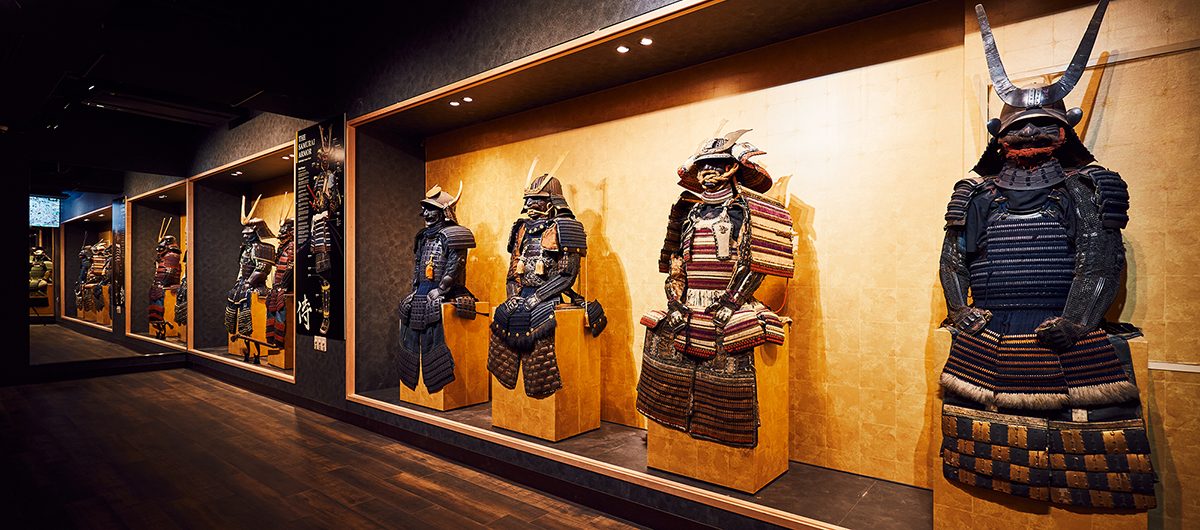
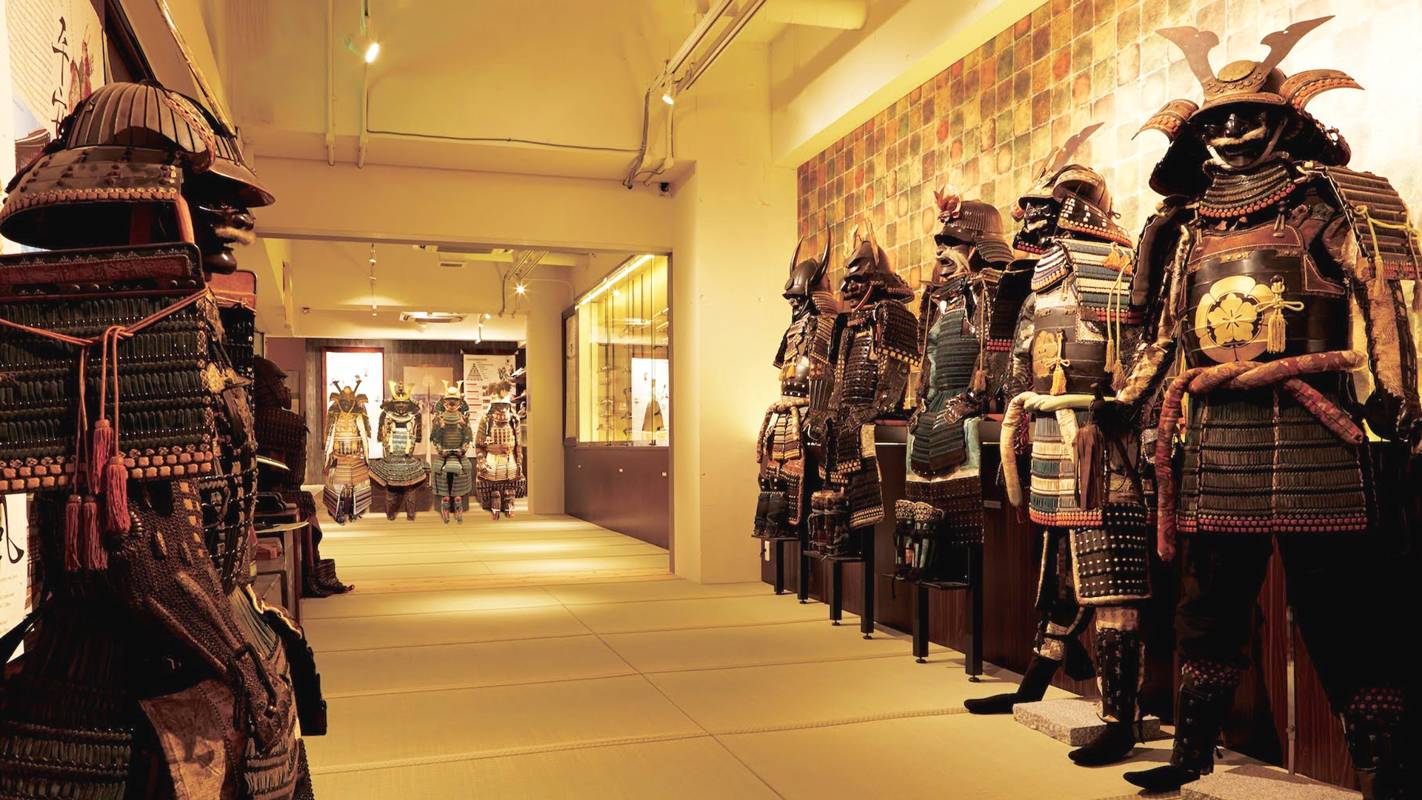
Armor Display Hallway

Armor Display Hallway

Best light · Mid-afternoon

Stand at the end of the corridor to capture the rows of traditional armor suits aligned against the wooden walls. This perspective highlights the historical craftsmanship and provides a glimpse into the tea ceremony and samurai experience kyoto setup.

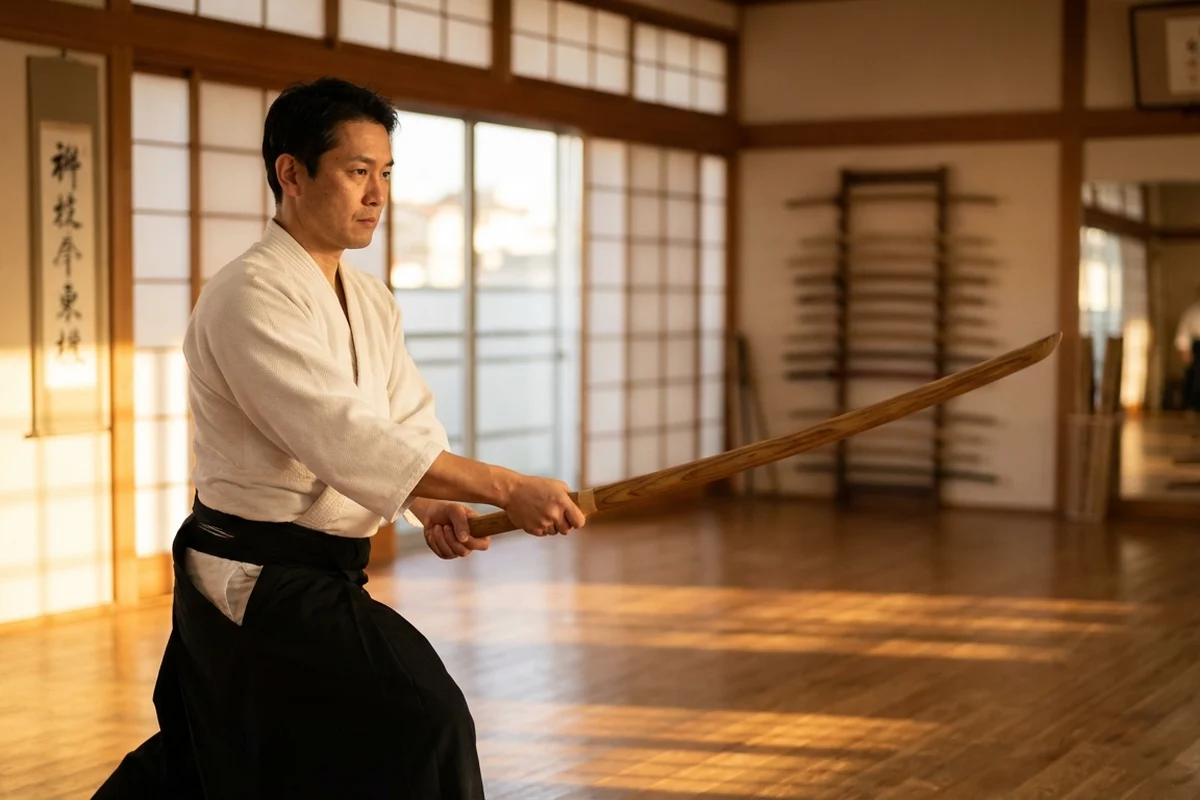
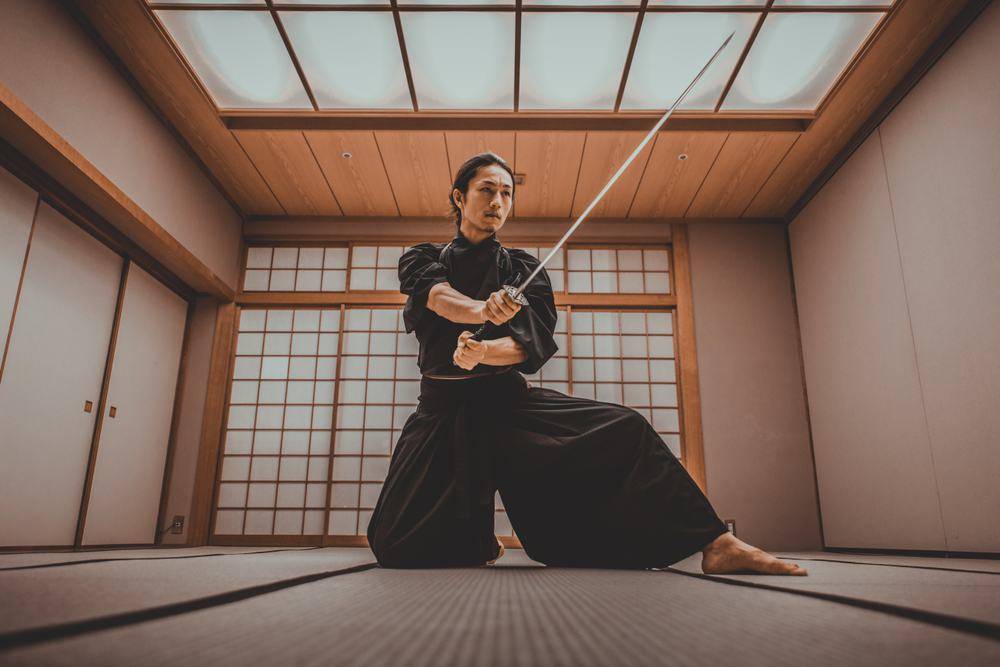
Samurai Sword Practice Room

Samurai Sword Practice Room

Best light · Before 14:00

Position yourself near the entrance to frame the tatami mats and authentic weaponry displayed on the walls. This area is ideal for those seeking tea ceremony and samurai experience kyoto tours documentation of their training.

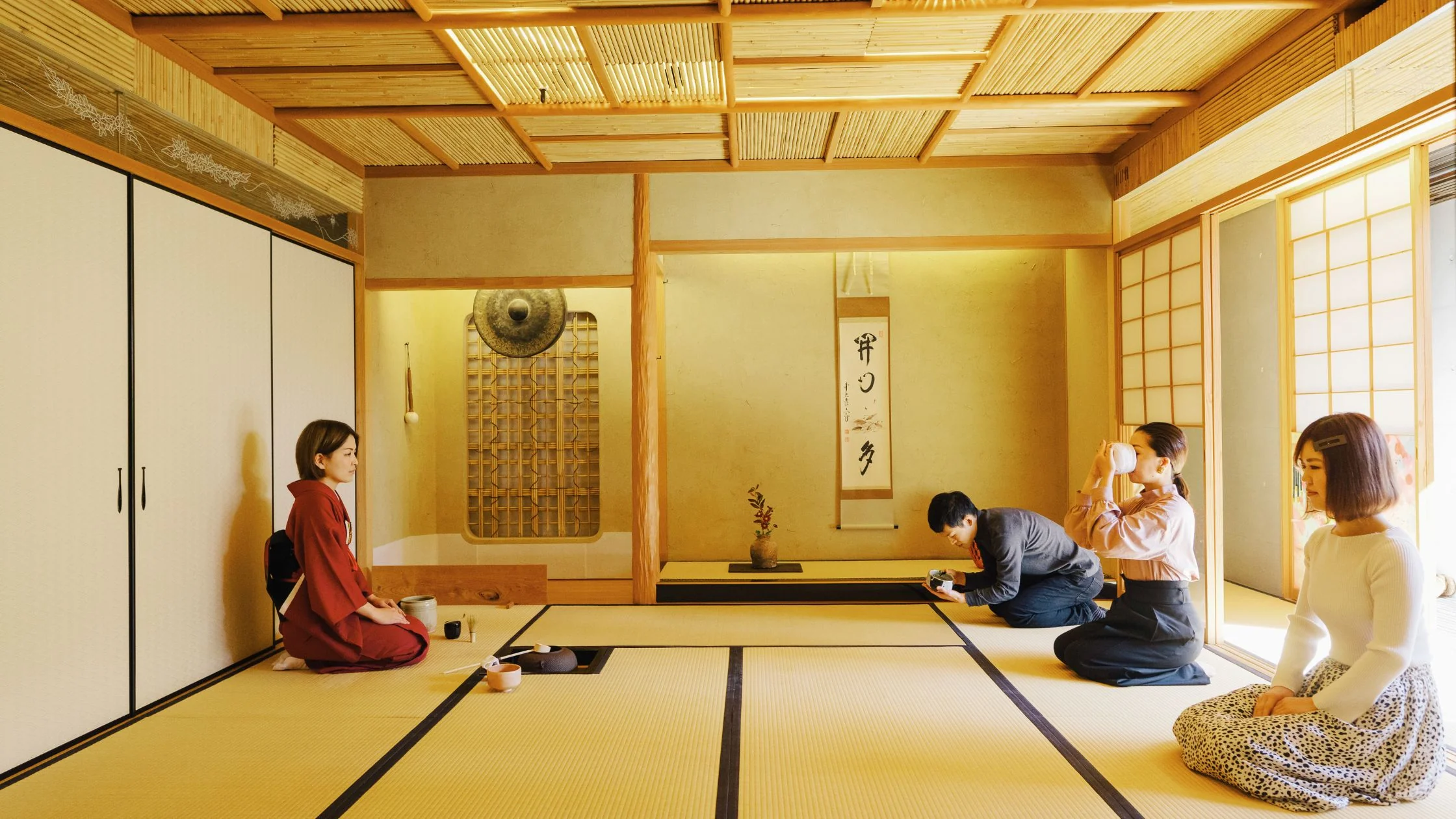
Tea Ceremony Room

Tea Ceremony Room

Best light · 11:00-13:00

Capture the minimalist aesthetic of the chashitsu, focusing on the chasen and tea bowl arrangements on the low table. It is best to wait until your guide signals that photography is permitted during your tea ceremony and samurai experience kyoto tour.

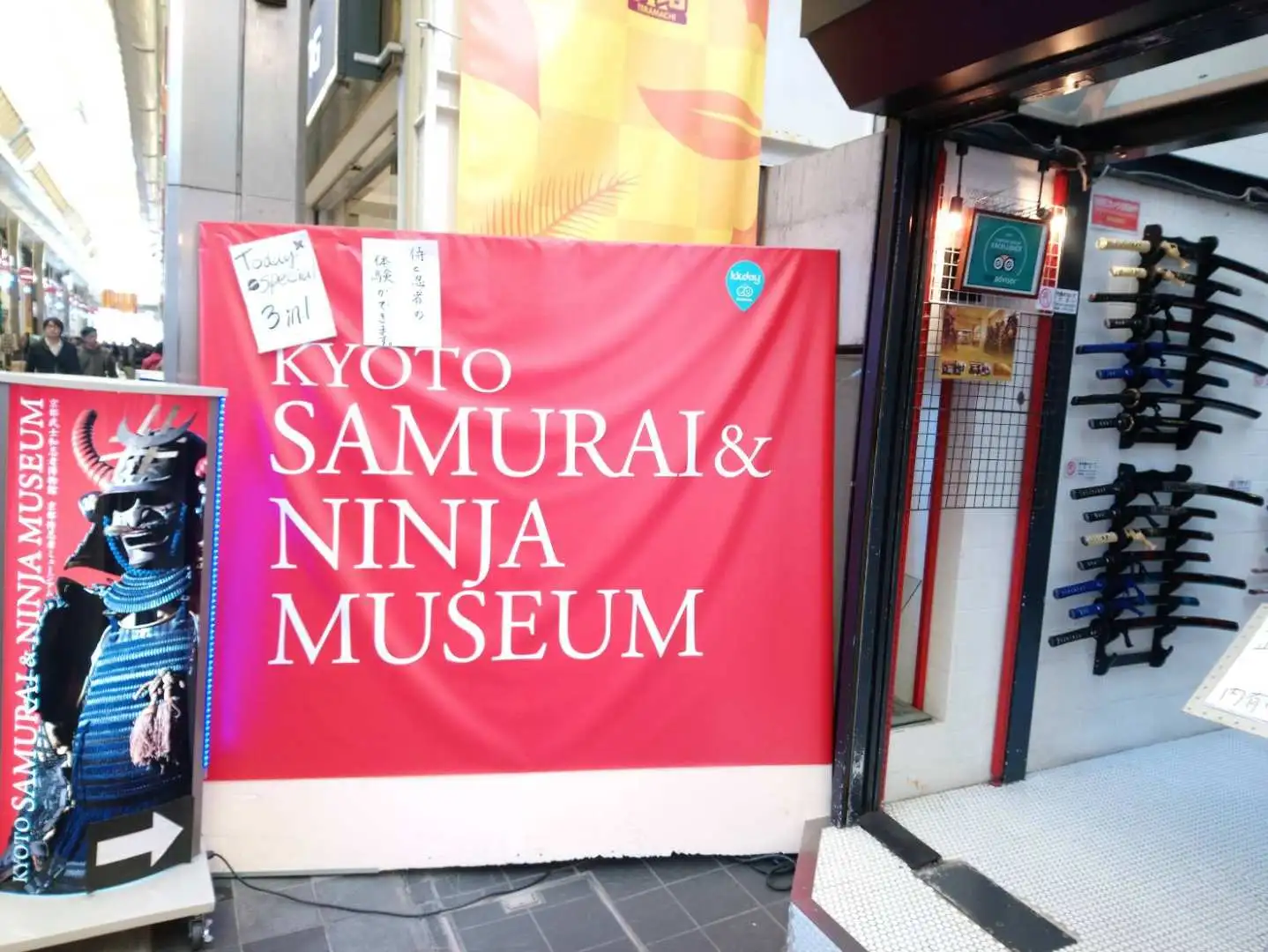
Museum Entrance Facade

Museum Entrance Facade

Best light · 10:30 arrival

Photograph the exterior signage and traditional entryway design to mark your arrival at the site. The classic architecture serves as a perfect backdrop for guests who have booked tea ceremony and samurai experience kyoto tickets.

Gallery

Moments from Tea Ceremony and Samurai Experience Kyoto

With kids

Visiting Tea Ceremony and Samurai Experience Kyoto with kids

Engaging with history through a tea ceremony and samurai experience kyoto allows families to step into the world of feudal Japan together. These interactive sessions offer a hands-on way for children to appreciate traditional culture while exploring Kyoto landmarks.

Stroller Access

The museum space has limited capacity for strollers, so please prepare to carry small children or use a carrier during tea ceremony and samurai experience kyoto tours. We recommend checking large items at the entrance to navigate the historical exhibits comfortably.

Best Ages

Children aged six and older typically gain the most from the sword handling techniques and formal etiquette involved in a tea ceremony and samurai experience kyoto tour. Younger children are welcome to observe, though participation in blade demonstrations is reserved for those who can safely handle equipment.

Facilities

While there are no dedicated baby-change rooms on-site, the location at 109 Horinouechō is centrally located with nearby public facilities for families. Please secure your tea ceremony and samurai experience kyoto tickets in advance to ensure your group can stay together during the guided museum sessions.

Pacing

Tours depart every 15 minutes, allowing families to move at a pace that suits younger attention spans. Arrive between 10:30 and 17:00 to ensure full participation in activities before the 17:30 closing time.

Food & drink

Where to eat at Tea Ceremony and Samurai Experience Kyoto

Visitors seeking a tea ceremony and samurai experience kyoto will find several dining options located in the vibrant Nakagyo Ward surrounding the museum. While no food is served on-site, the nearby streets offer everything from traditional matcha sweets to savory Kyoto cuisine for those finishing their tea ceremony and samurai experience kyoto tours.

Ippodo Tea Co. Kyoto Main Store

€€

Tea House

This historic shop offers authentic matcha and wagashi sweets perfect for extending your cultural outing. It is a popular spot to relax after securing your tea ceremony and samurai experience kyoto tickets.

FAQ

Tea Ceremony and Samurai Experience Kyoto — frequently asked questions

Everything you need to know for your journey

Ready for Adventure?

Join thousands of happy travelers who have discovered this incredible experience

Book Your Experience Now