English| EUR
Suggested for you
More currencies
Book Now
Open today · 09:15–18:30

Kyoto Samurai Experience Tickets

Kyoto Samurai Experience — Sword Training & Warrior Traditions

Step into the way of the blade, honor the ritual of centuries.

50K+ travelers chose this
Free Cancellation
Right now: Moderate — autumn shoulder season Arrive early to join morning sessions and avoid afternoon crowds for a more personal experience.
Free Cancellation
Free cancellation Instant confirmation Mobile voucher Verified partner Skip-the-line
2,400 JPY
Entrance fee
Includes museum tour and activities
09:15–18:30
Opening hours
Open seven days a week
09:15–17:30
Best arrival window
Avoids crowds for personal experience
+81 75-366-5250
Phone number
Contact for booking inquiries
Choose your ticket

Kyoto Samurai Experience tickets at a glance

Compare fares, pick the fit — all bookings are mobile-voucher and eligible for free cancellation where shown.

Samurai Sword Training with Traditional Arts Masters 1 hr 30 min
Standard Entry

Samurai Sword Training with Traditional Arts Masters

4.8 (840)
€56
  • Entry ticket
  • Mobile voucher
  • Valid same day
  • Free cancellation
Book this ticket
Kyoto Samurai Walk: Armor, Matcha & Riverside Photoshoot 1 hr 30 min
Standard Entry

Kyoto Samurai Walk: Armor, Matcha & Riverside Photoshoot

5 (114)
€83
  • Entry ticket
  • Mobile voucher
  • Valid same day
  • Free cancellation
Book this ticket
Compare options

Compare Kyoto Samurai Experience ticket options

Selecting the right kyoto samurai experience tickets ensures you get the most from your visit to this historical site. Choosing between our standard access and expanded packages allows you to tailor your journey through Japan's warrior heritage.

Top pick
Basic Ticket Guided Museum Access
Premium Experience Guided Tour & Workshops
Guided Tour Included
Armor Trial Included
Ninja Activities Included
Sword Training Included
Access Method Timed Entry
Best for History enthusiasts

Verdict: First-time visitors should choose the Basic kyoto samurai experience tickets tour for a complete overview of the museum and its core interactive elements.

Is the Samurai & Ninja Museum Worth It for Your Kyoto Visit?

Worth it for hands-on culture seekers

At 2,400 JPY, the Samurai & Ninja Museum delivers solid value for visitors wanting interactive cultural immersion beyond typical temple circuits. The entrance fee bundles a guided tour through samurai armor evolution and feudal warrior history with hands-on activities—you'll throw shuriken, pose in authentic armor, and learn basic sword handling from knowledgeable staff. The museum occupies a compact space, so expect a 60–75 minute experience rather than a half-day commitment. Kyoto samurai experience tickets work best for travelers prioritizing participatory learning over passive observation—the guided format ensures you leave understanding the Bushido code and Sengoku period context, not just Instagram shots. Families with school-age children and solo travelers consistently rate the interactive elements as the standout feature, while the small group sizes (typically 8–12 people) allow for personalized instruction. If you're chasing purely aesthetic temple photography or need full-day programming, the bookable sword training workshops and armor photoshoot experiences outside the museum offer deeper dives into specific martial disciplines.

What makes it worth it

  • Hands-on shuriken throwing and armor try-on included
  • Knowledgeable English-speaking guides explain warrior history
  • Compact 60-minute format fits tight itineraries
  • Small group sizes ensure personal attention
  • Central Nakagyo location near Nishiki Market

Keep in mind

  • Short visit duration compared to half-day temples
  • Limited appeal for passive museum-goers
  • Can feel rushed during peak afternoon slots

Bottom line: Book kyoto samurai experience tickets if you want participatory culture over contemplative sightseeing—the hands-on format justifies the cost for engaged learners.

Head to head

Samurai & Ninja Museum vs Toei Kyoto Studio Park — Which Samurai Experience is Best?

They complement each other; most visitors who do both call the Samurai & Ninja Museum the more personal history-focused choice, while Toei Kyoto Studio Park is the superior pick for expansive, open-air entertainment.

Top pick
Samurai Experience
Toei Kyoto Studio Park
Focus Film Sets & Stunts
Core Activities Live Shows/Costume Walk
Setting Outdoor Film Sets
Duration 3–5 hours
Price 2,400 JPY (varies)
Suitability Families & Film Fans

Verdict: Choose the Samurai & Ninja Museum for a deep dive into warrior culture through hands-on guided tours, or select Toei Kyoto Studio Park for a dynamic, action-oriented day exploring authentic cinematic environments.

Featured Experiences

Popular Kyoto Samurai Experience tours & activities

Hand-picked experiences loved by thousands of travelers

Recommended Experience

Powered by GetYourGuide

Another traveler favorite

Powered by GetYourGuide
Samurai Sword Training & Kimono Experience at Historic Temple 1 hour Free Cancellation

Samurai Sword Training & Kimono Experience at Historic Temple

Master authentic Japanese blade techniques and dress in traditional attire at a 400-year-old temple

4.9 (99)
FromFrom €110.52
See details
Samurai Sword Training & Zen Meditation in Historic Kyoto Residence 2 hours Free Cancellation

Samurai Sword Training & Zen Meditation in Historic Kyoto Residence

Train with real blades in a 260-year-old samurai home, then find calm through traditional Zen practice.

4.9 (53)
FromFrom $115.18
See details
Kyoto Samurai Sword Training & Museum Experience 2 hours Free Cancellation

Kyoto Samurai Sword Training & Museum Experience

Train with authentic swords in a traditional dojo and explore samurai history with a complimentary museum tour

4.7 (57)
FromFrom $69.11
See details
Samurai Armor Experience with Cinematic Photo Session 1 hour Free Cancellation

Samurai Armor Experience with Cinematic Photo Session

Dress in genuine samurai armor, wield traditional weapons, and receive dramatic professional photographs.

4.8 (10)
FromFrom €117.22
See details
Samurai & Ninja Museum Guided Experience 1 hour Free Cancellation

Samurai & Ninja Museum Guided Experience

Step into Japan's warrior past with authentic armor, blade displays, and hands-on ninja activities

4.7 (579)
FromFrom €20.09
See details
Samurai Sword Crafting Workshop 2 hours 30 minutes Free Cancellation

Samurai Sword Crafting Workshop

Pour molten metal, design your blade's exterior, and forge a decorative Japanese sword to take home.

FromFrom $179.18
See details
Samurai Village & Tea Ceremony with Ninja Training 1 - 1.5 hours Free Cancellation

Samurai Village & Tea Ceremony with Ninja Training

Step into a working film set in Edo-period Kyoto and train as a ninja under sword masters

FromFrom $40.95
See details
Private Kyoto Cultural Tour with Luxury Transport 10 hours Free Cancellation

Private Kyoto Cultural Tour with Luxury Transport

Discover Kyoto's temples, shrines, and gardens on a personalized full-day journey with private guide and vehicle

5 (1)
FromFrom $287.58
See details
What you'll see

What you'll see at Kyoto Samurai Experience

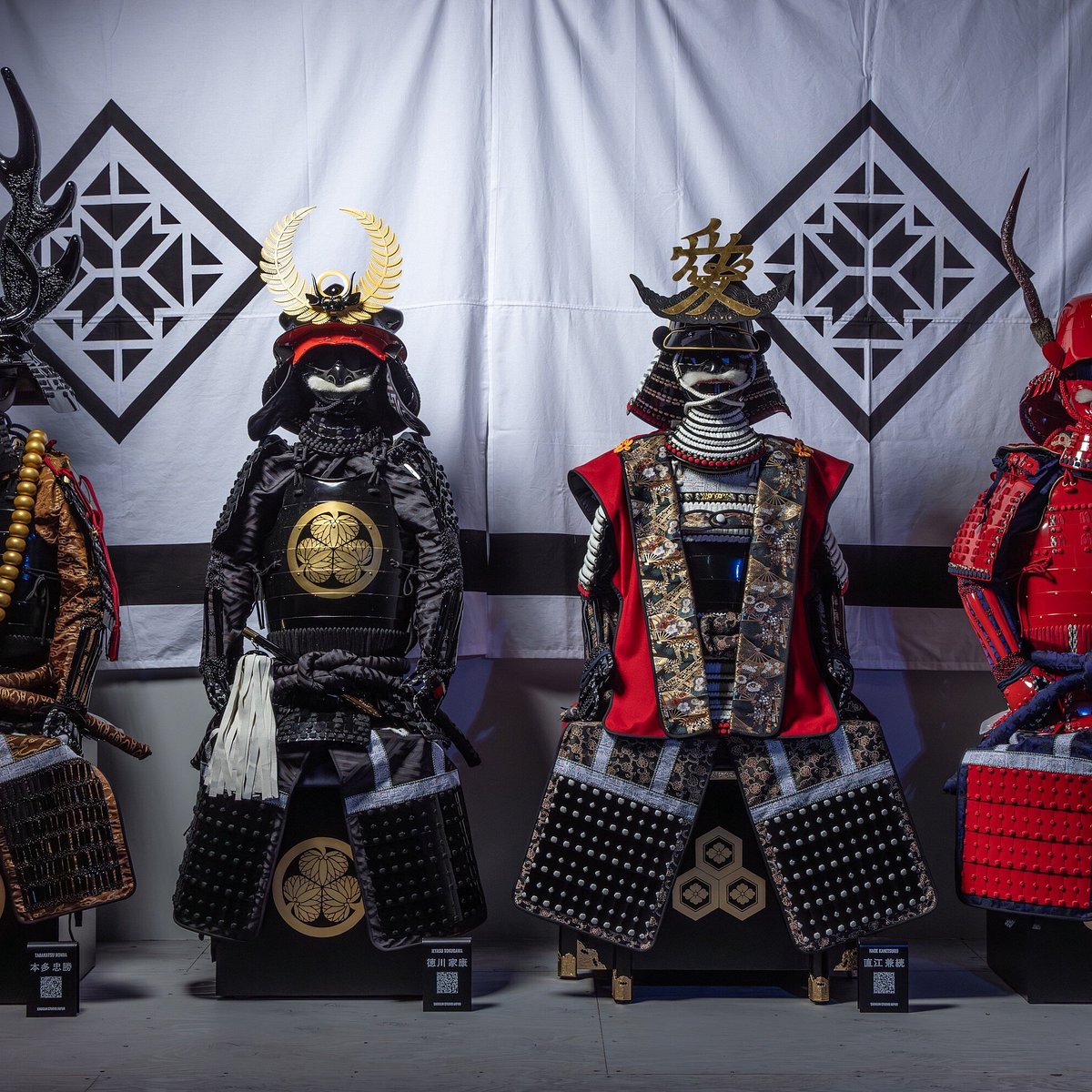
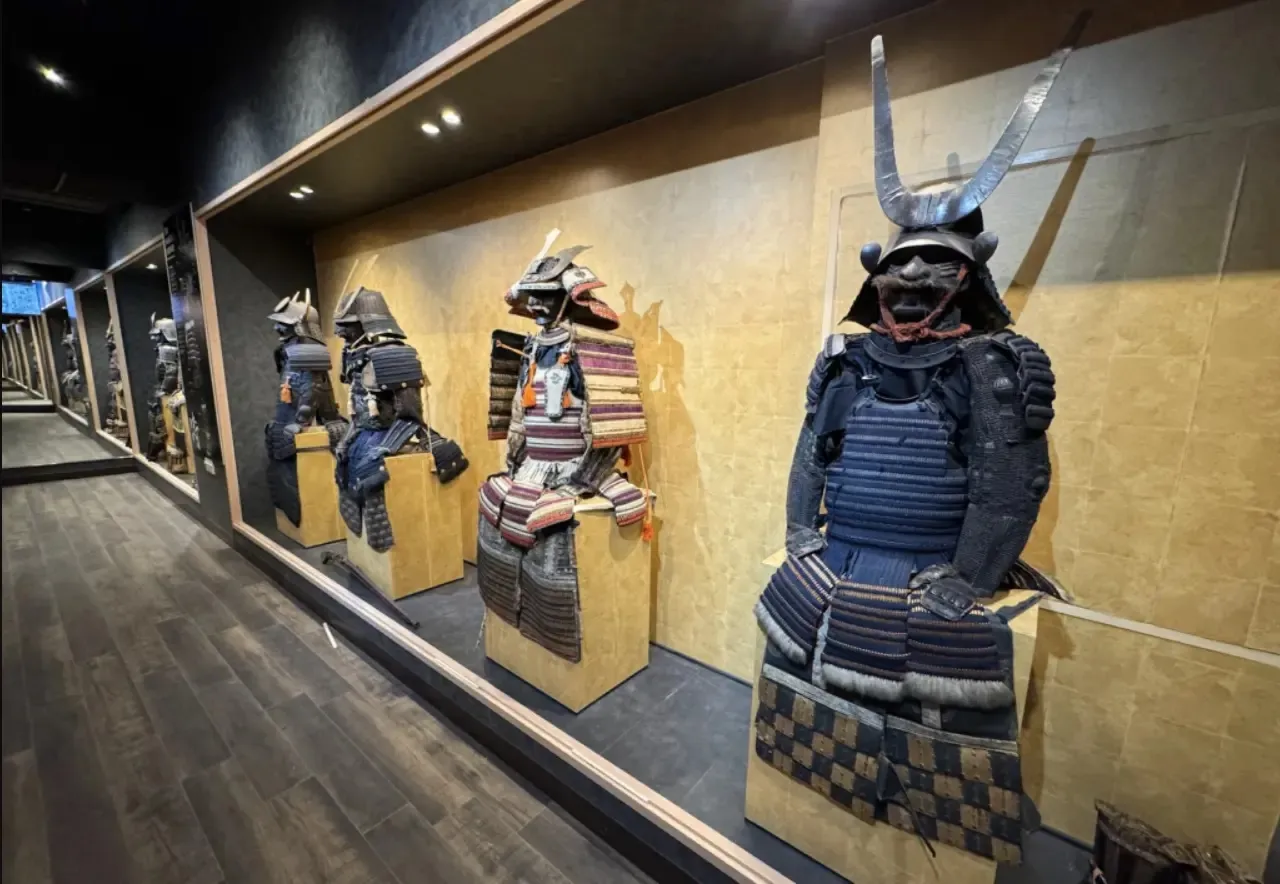
Edo Period Armor Collection

Edo Period Armor Collection

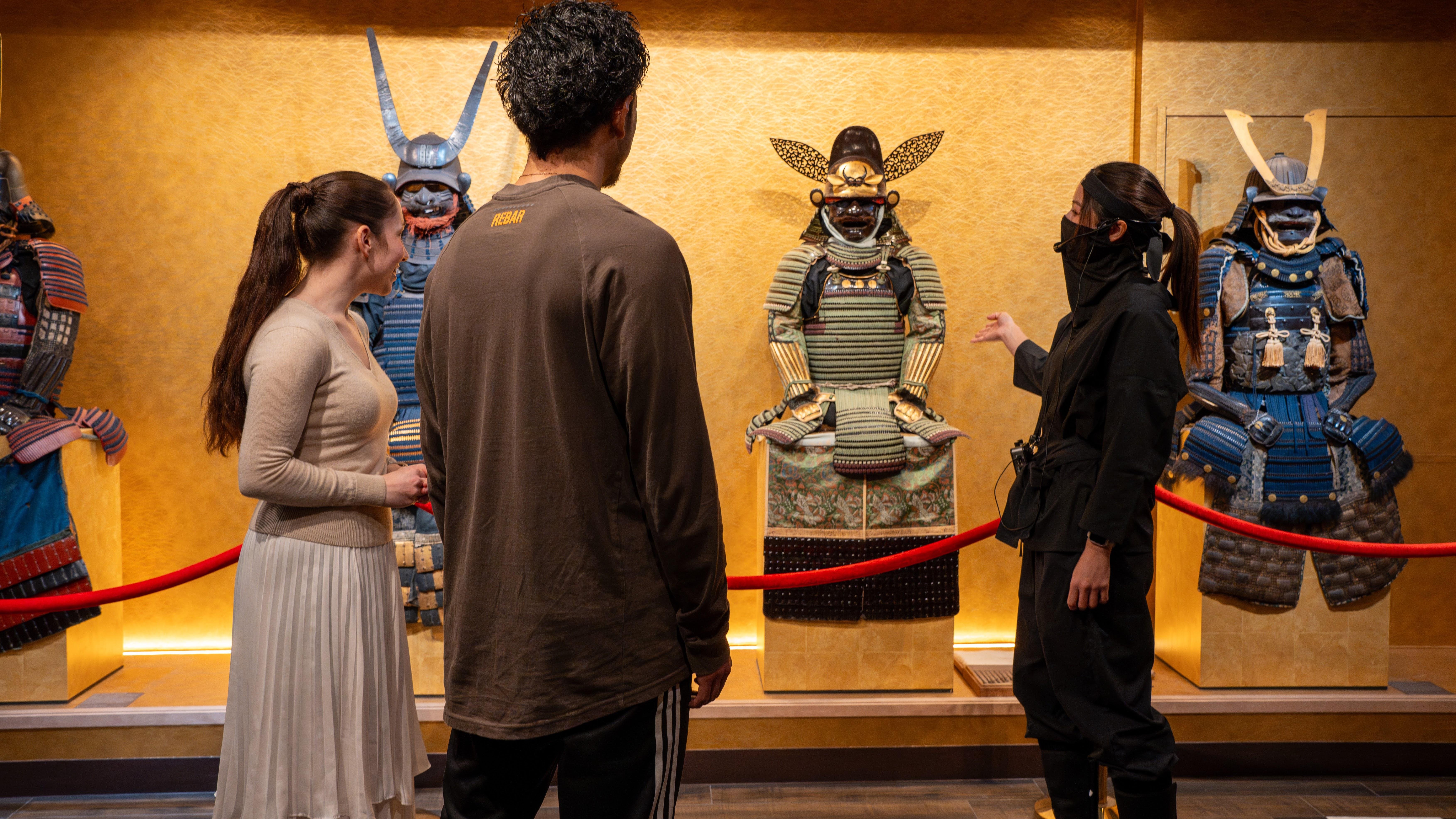
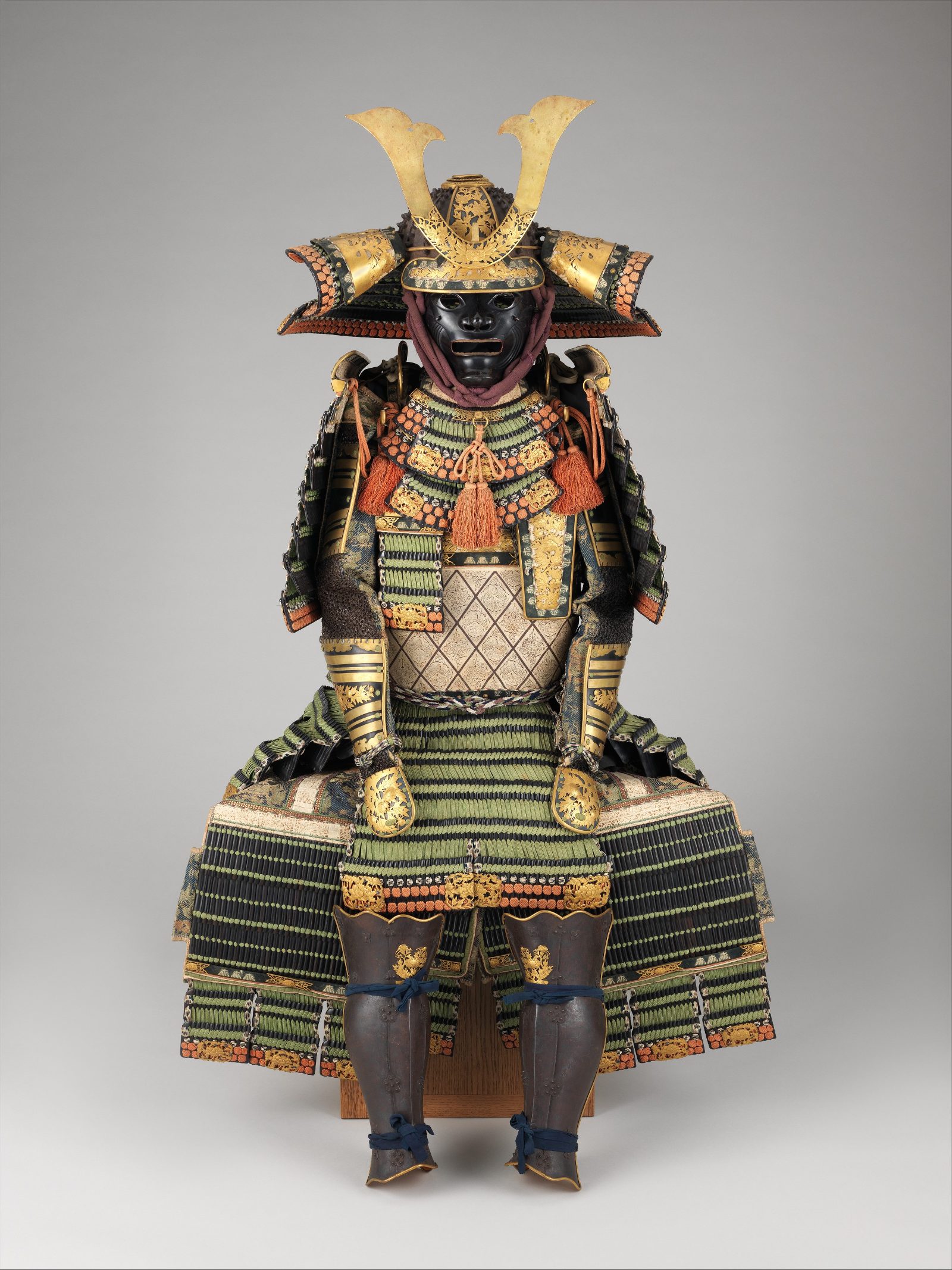
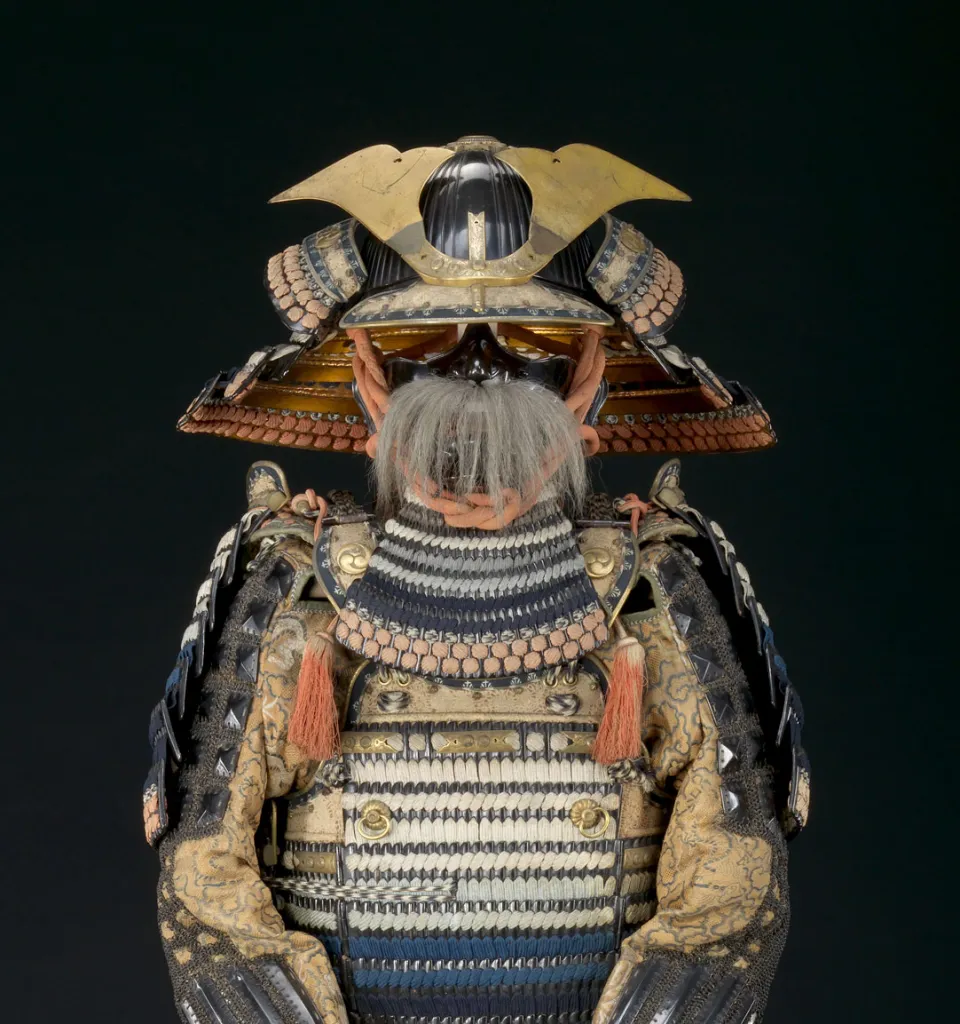
View authentic suits of armor and helmets from the Edo era, some dating back over 300 years.

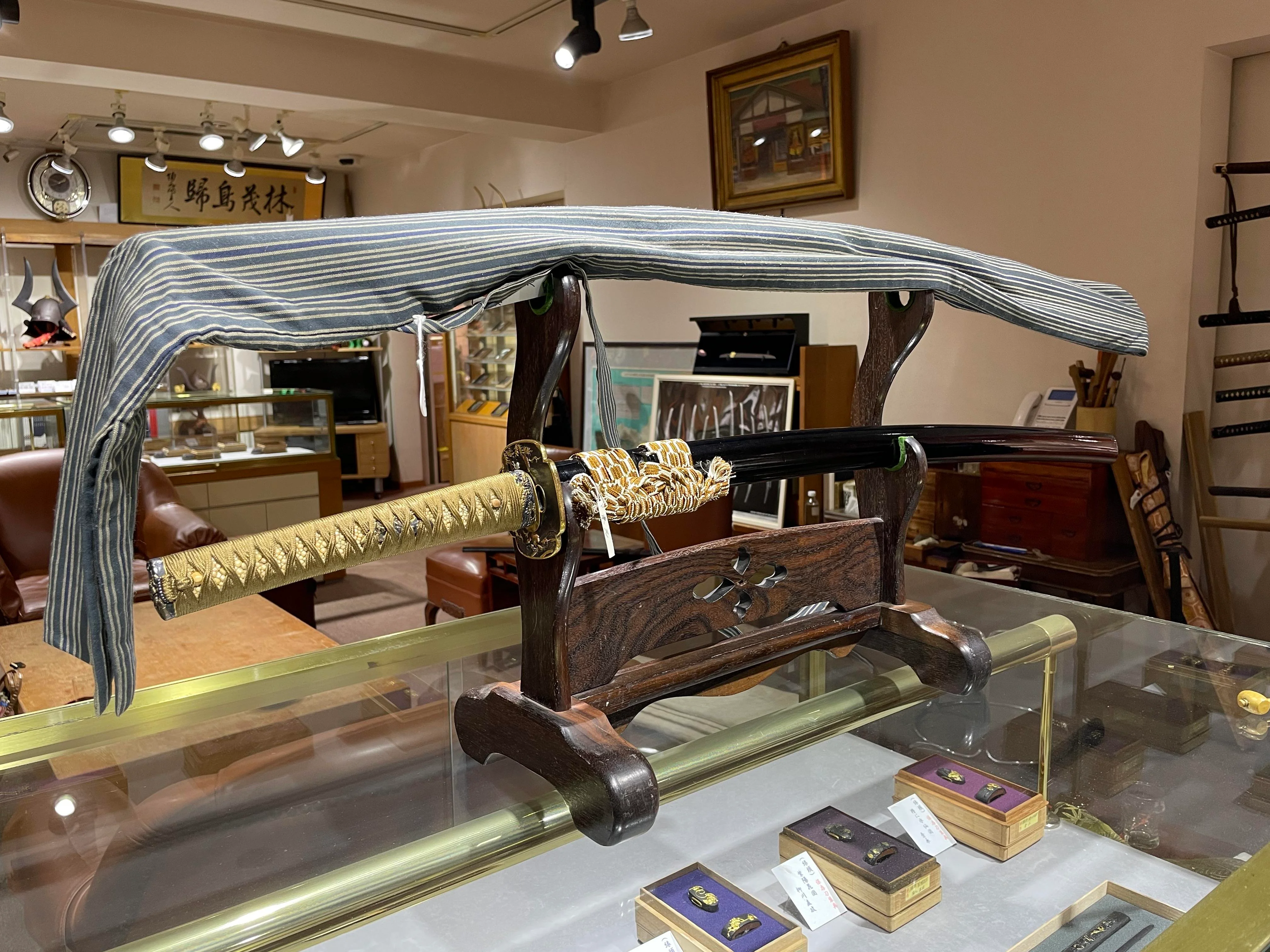
Katana and Blade Gallery

Katana and Blade Gallery

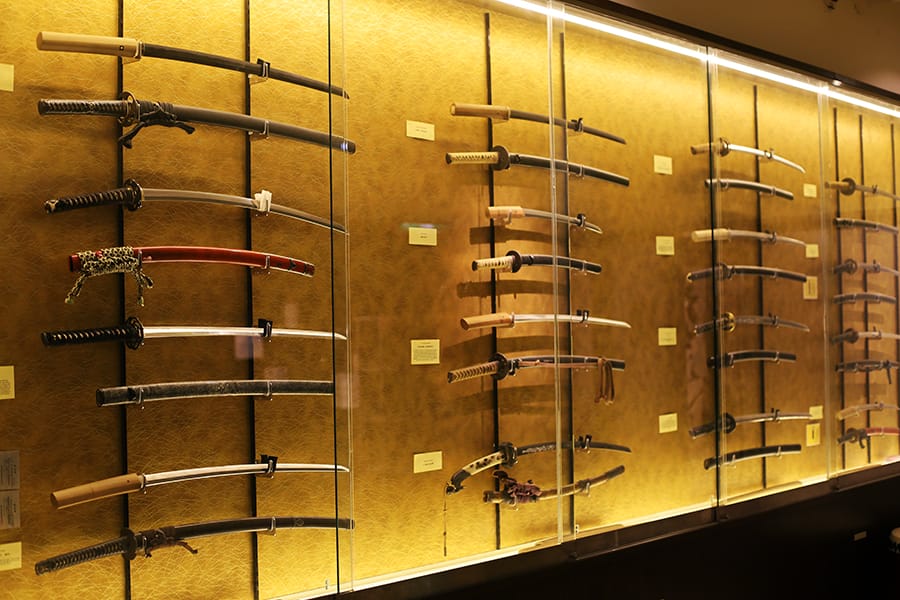
Examine a variety of traditional swords including katana and wakizashi blades in a dedicated display.

Ninja Star Range

Ninja Star Range

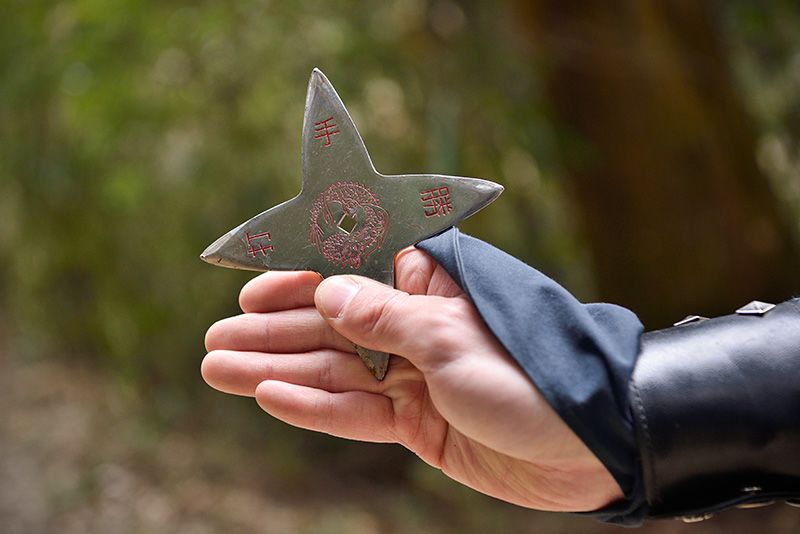
Practice your aim by throwing shuriken at wooden targets in a safe, controlled training environment.

Warrior History Exhibit

Warrior History Exhibit

Learn about the social hierarchy and bushido code that defined the lives of samurai warriors.

Interactive Dojo

Interactive Dojo

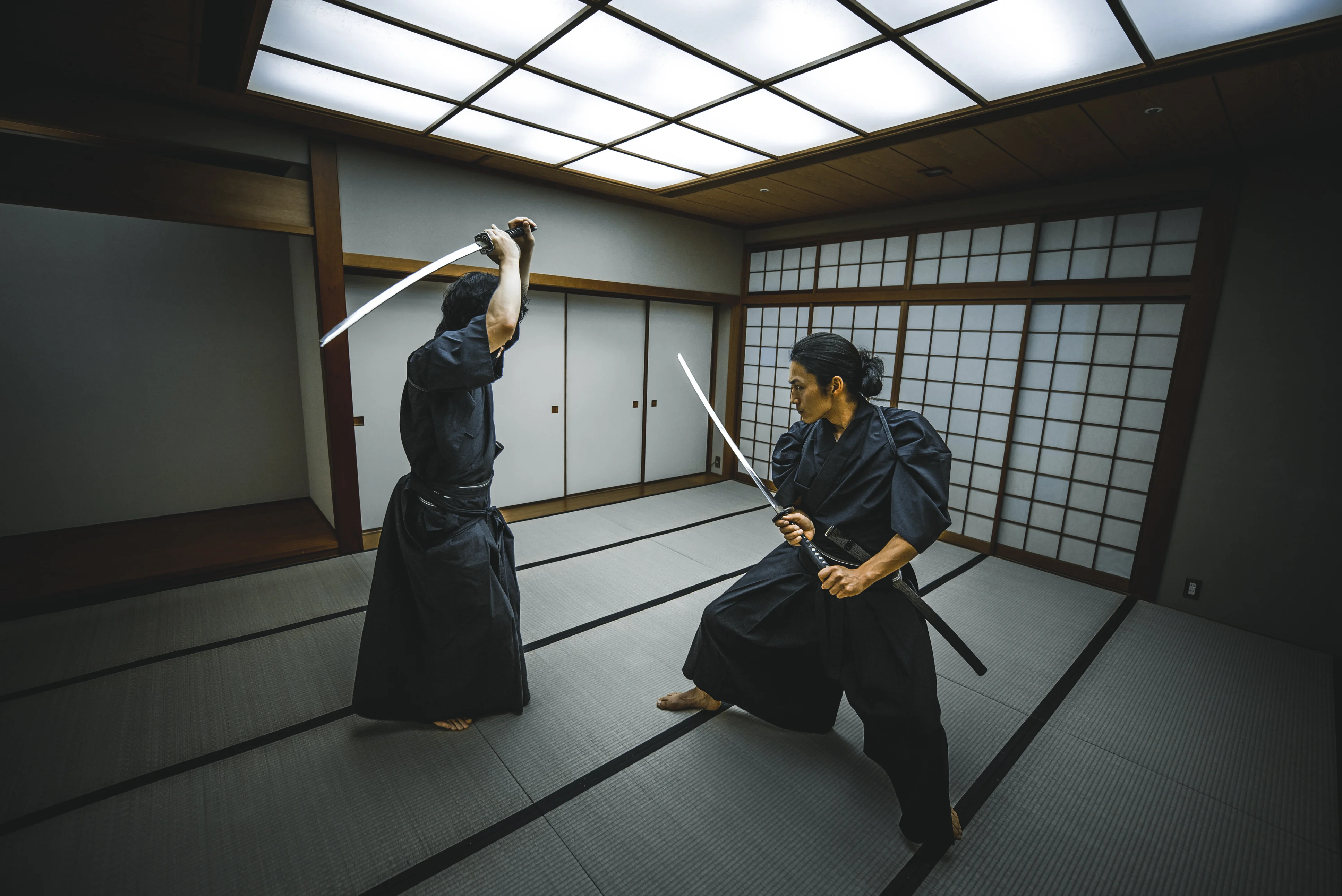
Participate in guided sword stances and learn the movements of a traditional warrior.

The experience

What visiting Kyoto Samurai Experience is really like

You arrive at a Nakagyo machiya before mid-morning, stepping from the narrow street into a tatami-floored training hall lit by shoji screens.

Read more Show less

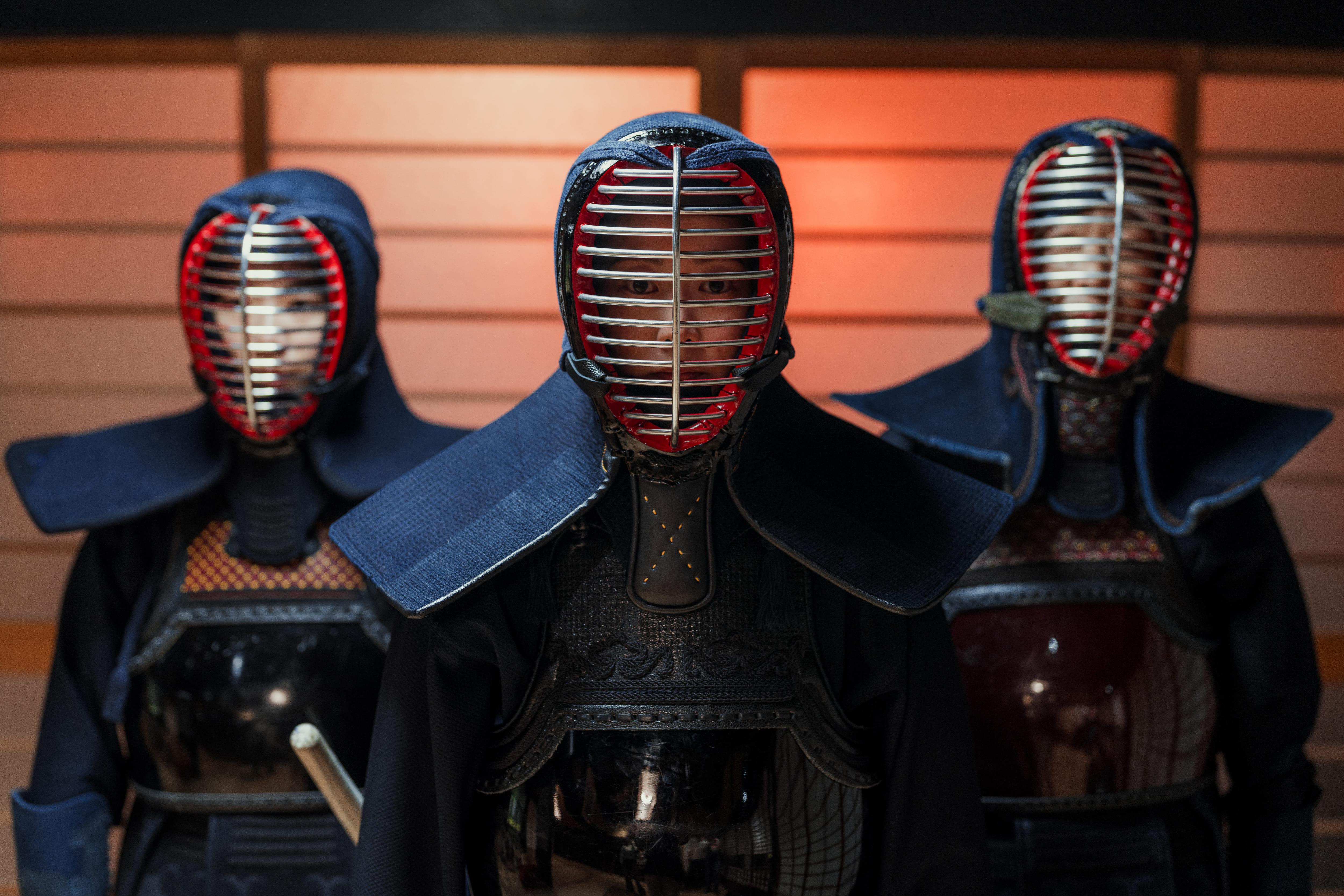
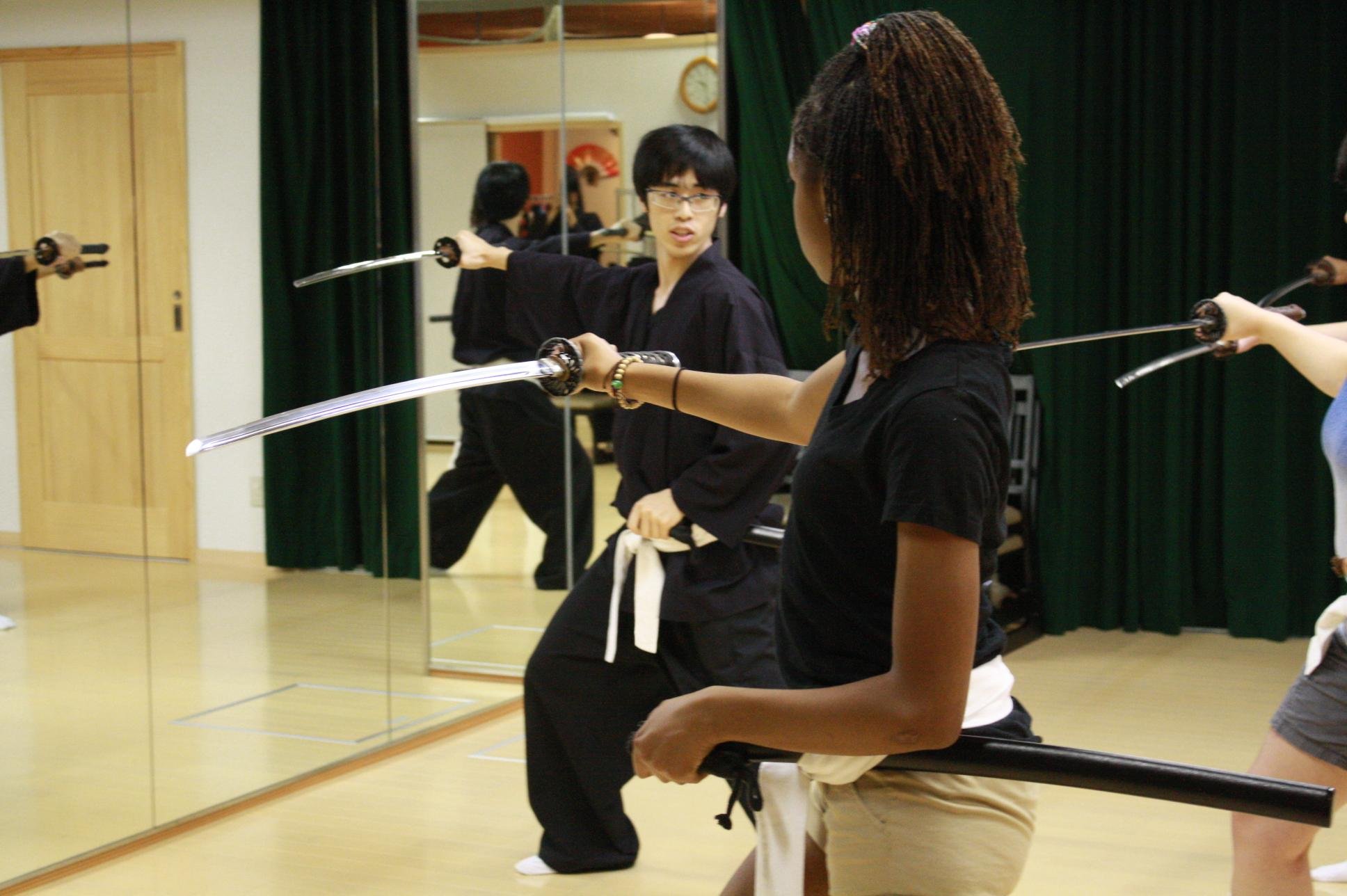
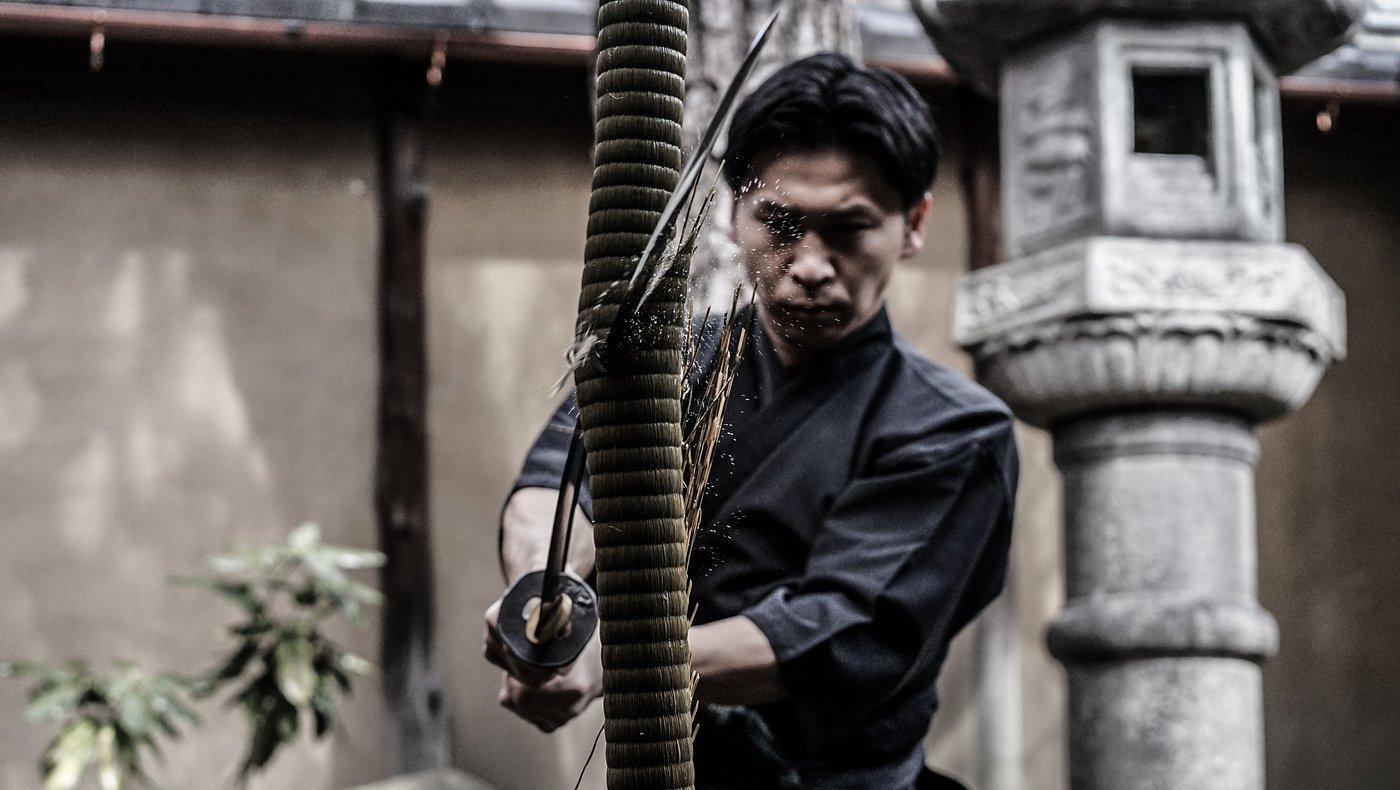
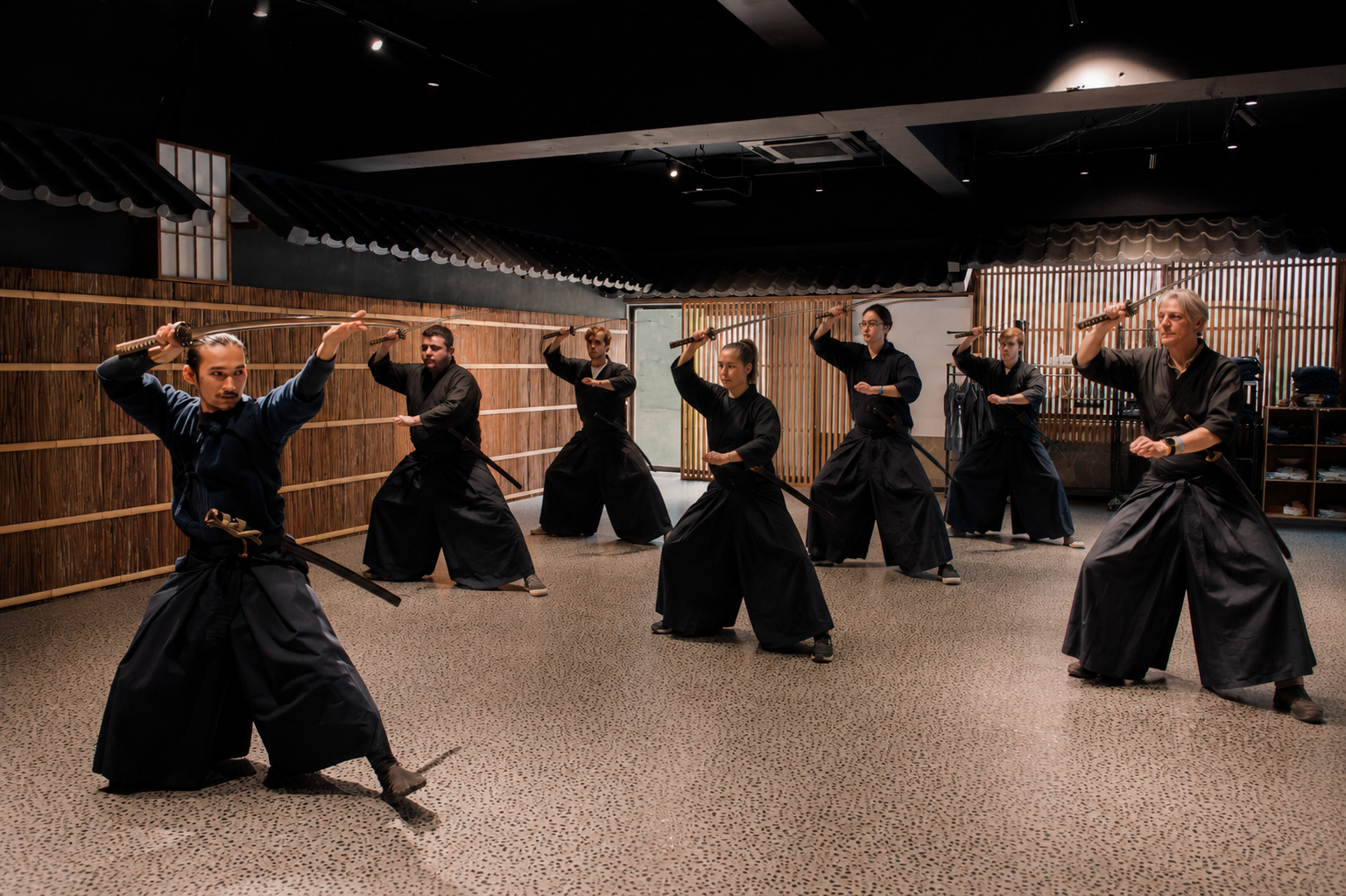
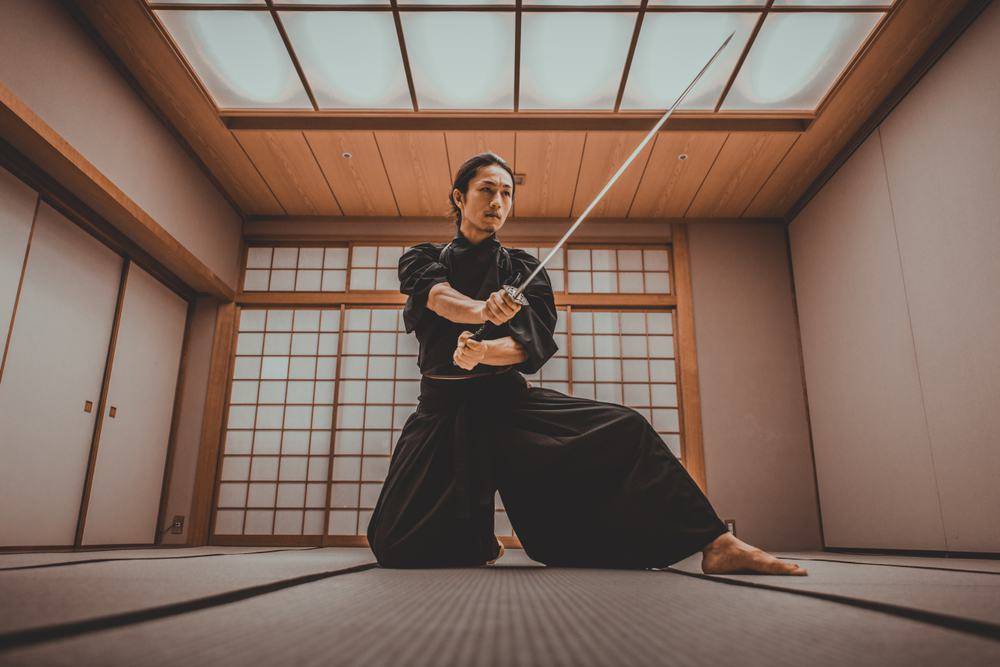
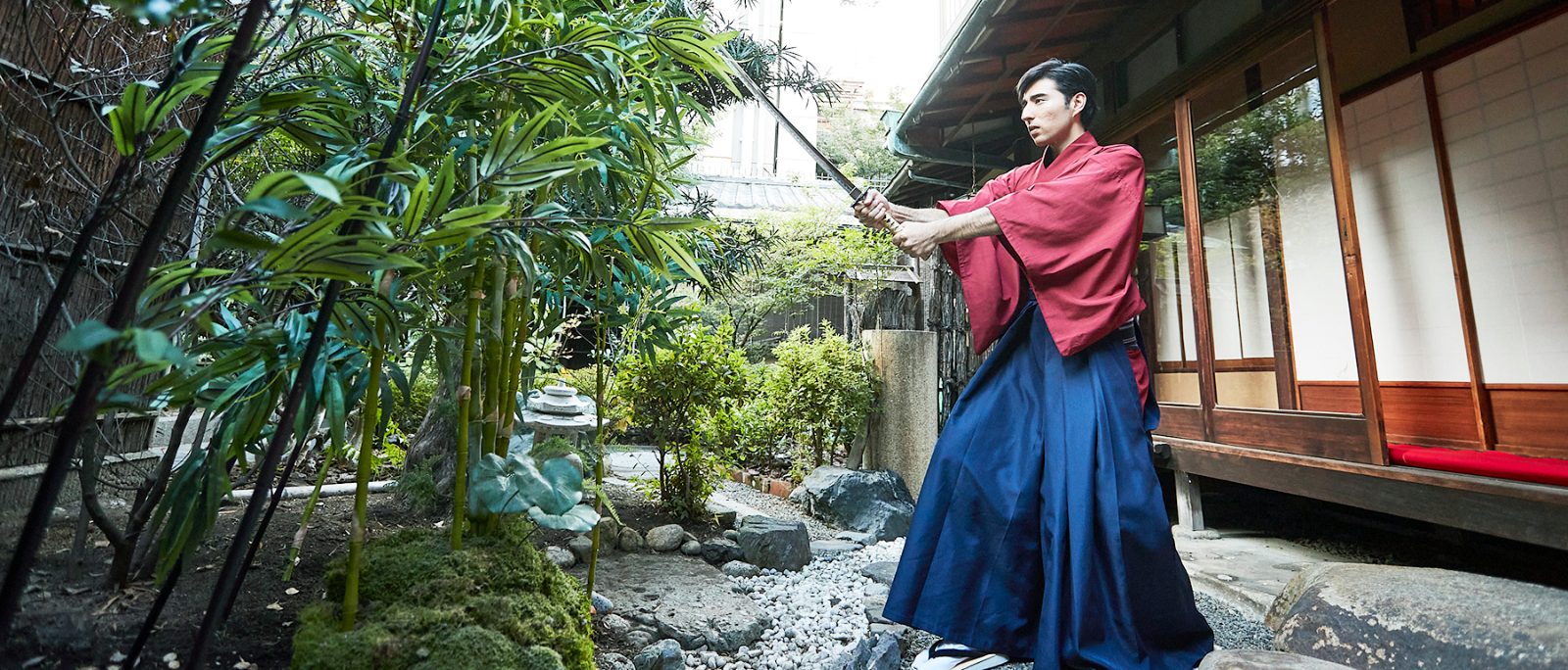
An instructor in hakama trousers hands you a cotton keikogi jacket and demonstrates the cross-chest tie sequence, then guides you to kneel in seiza position while explaining the session's structure. You lift an iaito training sword for the first time, feeling its aluminum weight settle into a two-handed grip, and mirror the instructor's overhead men strike in slow motion, adjusting foot placement until your hips align with the blade's arc.

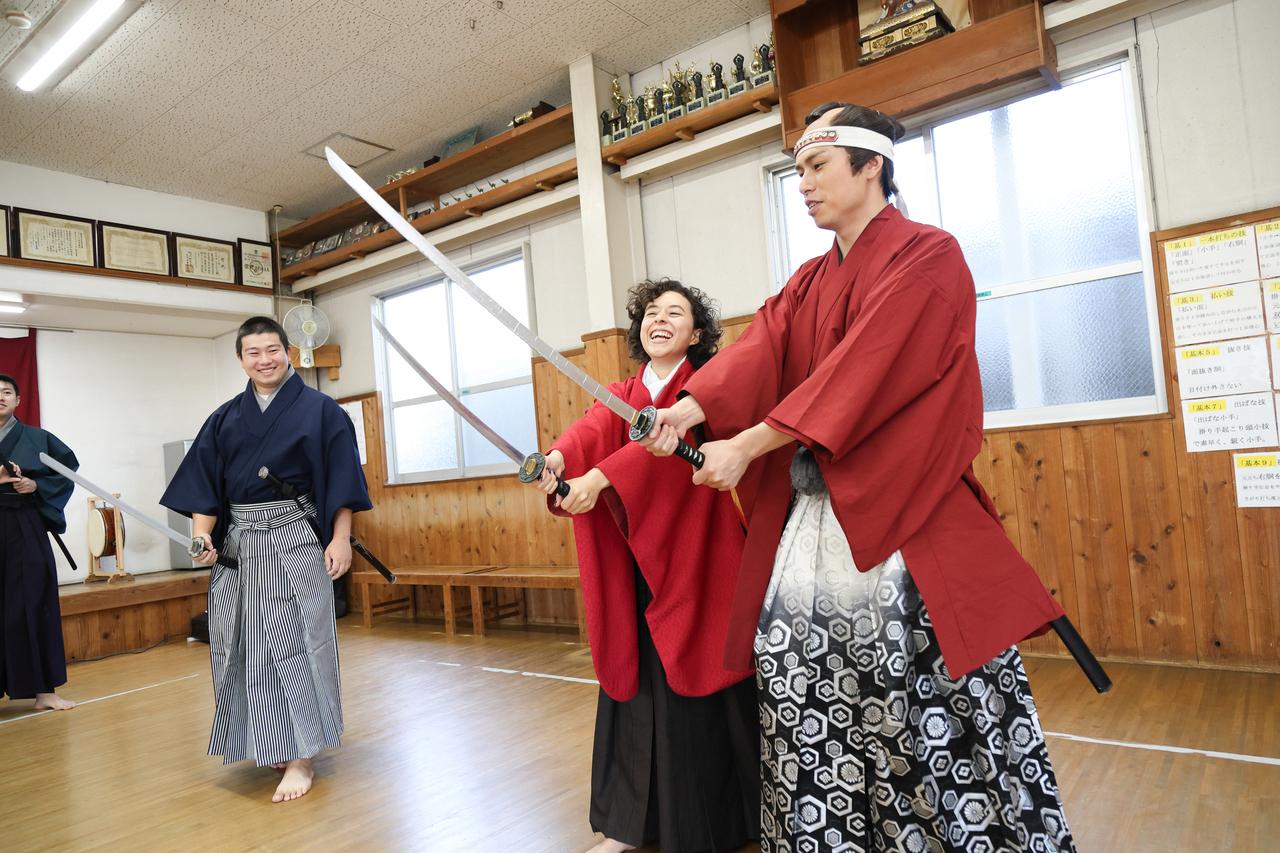
Twenty minutes of repetition follow. You practice the chiburi flick that clears imaginary blood from the blade, the noto return that slides the sword into its saya scabbard, and the rising draw that begins each kata. The instructor corrects your thumb placement and knee angle, tapping your wrist to signal adjustments. You pair with another participant for a choreographed exchange, stepping forward into a strike while your partner retreats, the rhythm building until the sequence flows without thought.

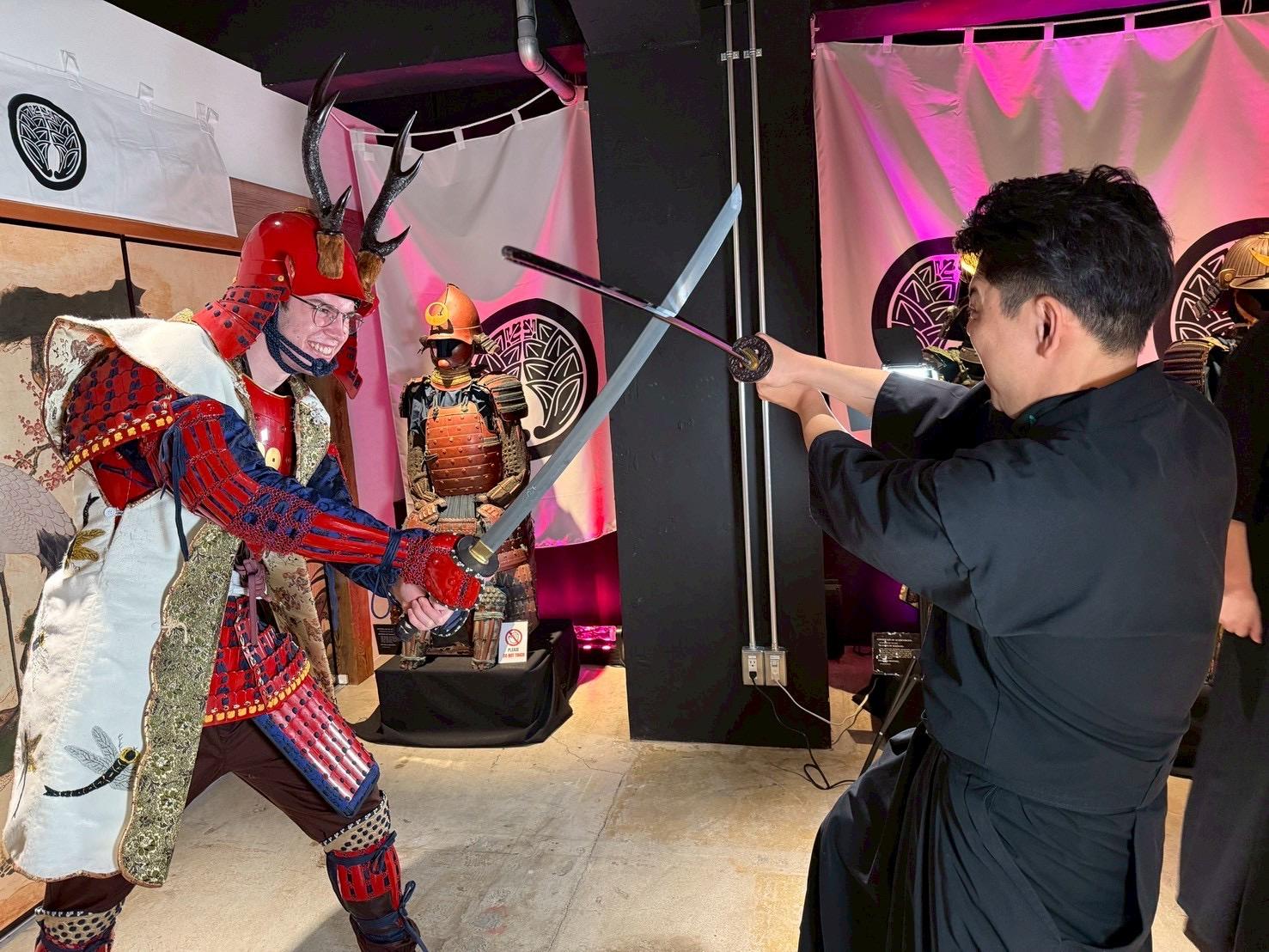
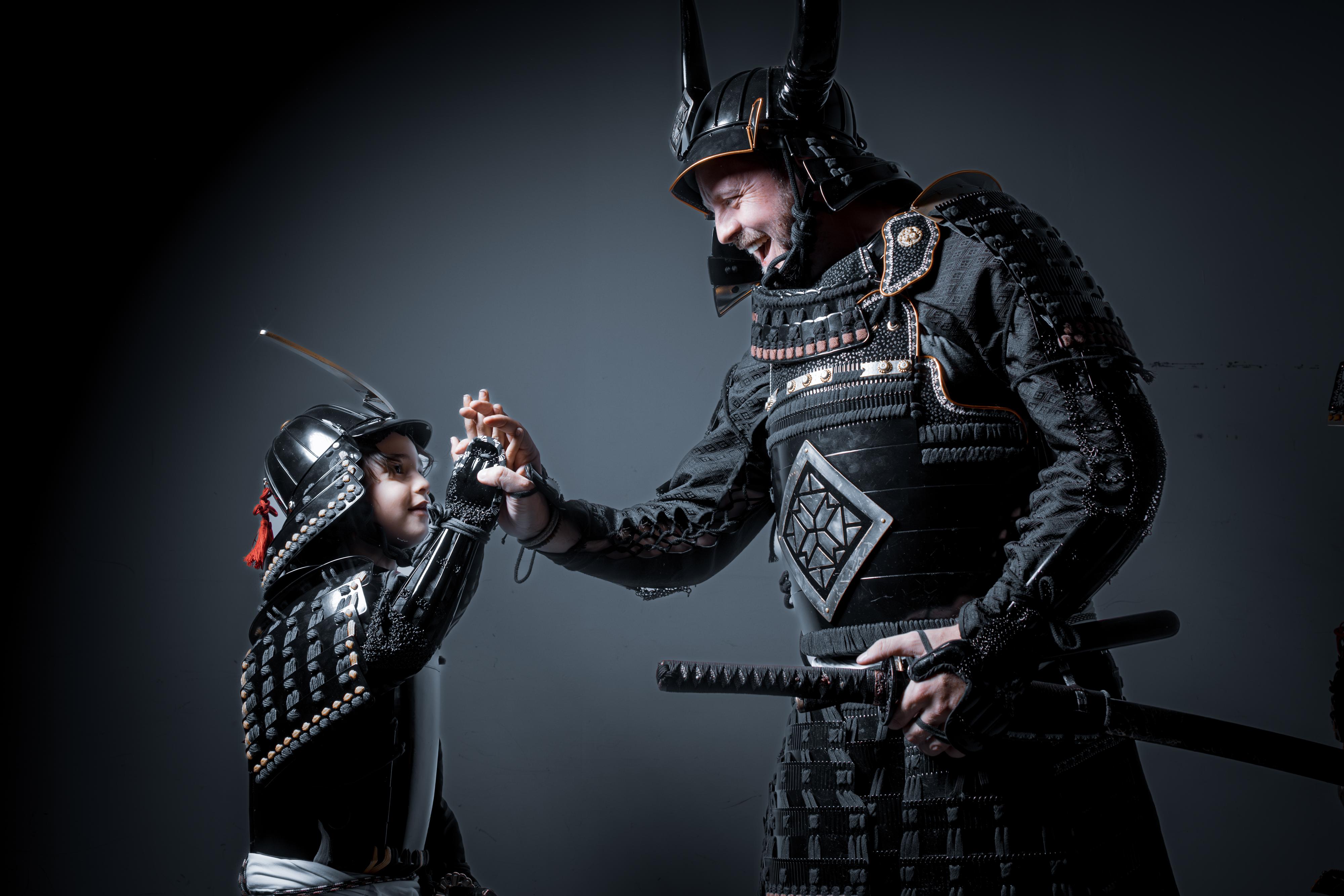
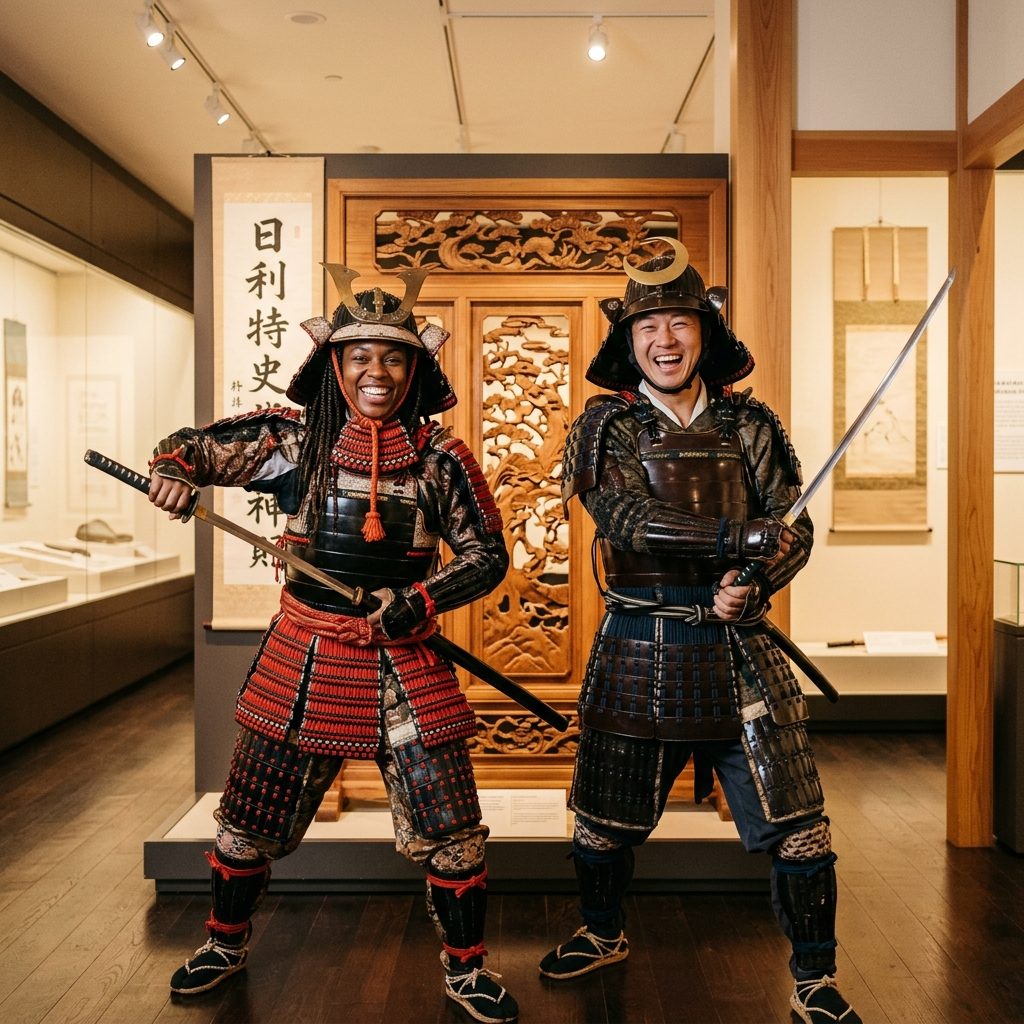
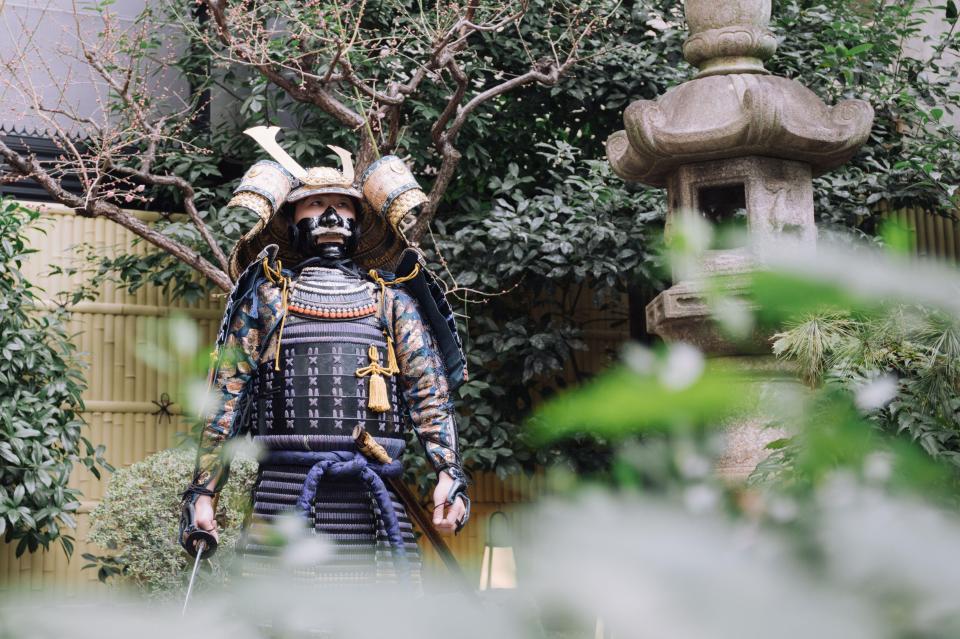
The final segment moves you into armor. You step into a seven-kilogram yoroi chest plate, its lacquered scales restricting your shoulders, and pose for photographs in a riverside garden where cherry branches frame the Kamo River. The instructor demonstrates a formal bow, and you return it, closing the session with the same ritual that samurai used to honor their teachers three centuries ago.

Kyoto Samurai Experience Tickets
Everything You Need to Know

Your complete Kyoto Samurai Experience guide

All the details about your upcoming adventure in one place

The katana blade curves exactly 1.5 centimeters across its 70-centimeter length, a geometry refined over four centuries to balance cutting speed with structural integrity.

Kyoto's samurai tradition stretches unbroken from the Kamakura shogunate through the Meiji Restoration, when the city served as the imperial seat and the proving ground for warrior clans who shaped Japan's feudal order. The techniques taught in Kyoto's surviving dojos trace their lineage to the Yagyu Shinkage-ryu and Itto-ryu schools, both formalized in the 16th century and still practiced in the same timber-framed machiya townhouses where Edo-period samurai trained before dawn.

Today, Kyoto samurai experience tickets open the discipline to travelers through structured workshops that balance historical accuracy with safety. Participants handle iaito training swords weighted to match live blades but forged from aluminum-zinc alloy, learning the chiburi blood-flick and noto sheathing sequence that close every kata. The curriculum draws from kenjutsu sword combat and iaido quick-draw traditions, both governed by precise footwork and breath control. Instructors hold dan ranks certified by the All Japan Kendo Federation, ensuring each movement reflects centuries of refinement rather than theatrical approximation.

The Samurai & Ninja Museum in Nakagyo Ward anchors many kyoto samurai experience tickets tours, housing Edo-period armor sets, tanto daggers, and calligraphic scrolls that detail the Hagakure code of conduct. The museum's guided tours pair artifact study with hands-on training, allowing visitors to wear yoroi chest plates that weigh seven kilograms and restrict movement exactly as battlefield armor did. Sword training sessions follow, conducted in tatami-matted halls where students practice men head strikes and kote wrist cuts under the watch of sensei who correct stance angles to the degree. Zen meditation sessions often close the experience, grounding the physical discipline in the mental clarity that defined the bushido warrior ethic.

Kyoto's samurai workshops differ from Tokyo's theater-focused experiences by emphasizing repetition over performance. A typical session dedicates 40 minutes to footwork drills, 30 minutes to paired kata, and 20 minutes to armor fitting and photography. The pace mirrors traditional dojo training, where a single strike is refined across hundreds of repetitions before a student advances. This approach attracts martial artists, historians, and travelers seeking substance over spectacle, preserving the rigor that made Kyoto the intellectual heart of Japan's warrior class for seven centuries.


The katana's 1.5-centimeter curve balances cutting speed with structural integrity, a geometry refined over four centuries.

Dress code

Casual comfortable clothing is recommended as you will be wearing samurai armor and engaging in physical activities. Avoid long flowing garments that might interfere with armor fitting.

Bags & security

Large bags and umbrellas must be stored in provided lockers at the entrance. Security is maintained throughout the museum to protect artifacts.

Photography

Photography is permitted and encouraged during the interactive portions of your visit, including the armor trial and ninja star throwing. Please respect staff guidance regarding areas with authentic Edo-period artifacts.

Families & strollers

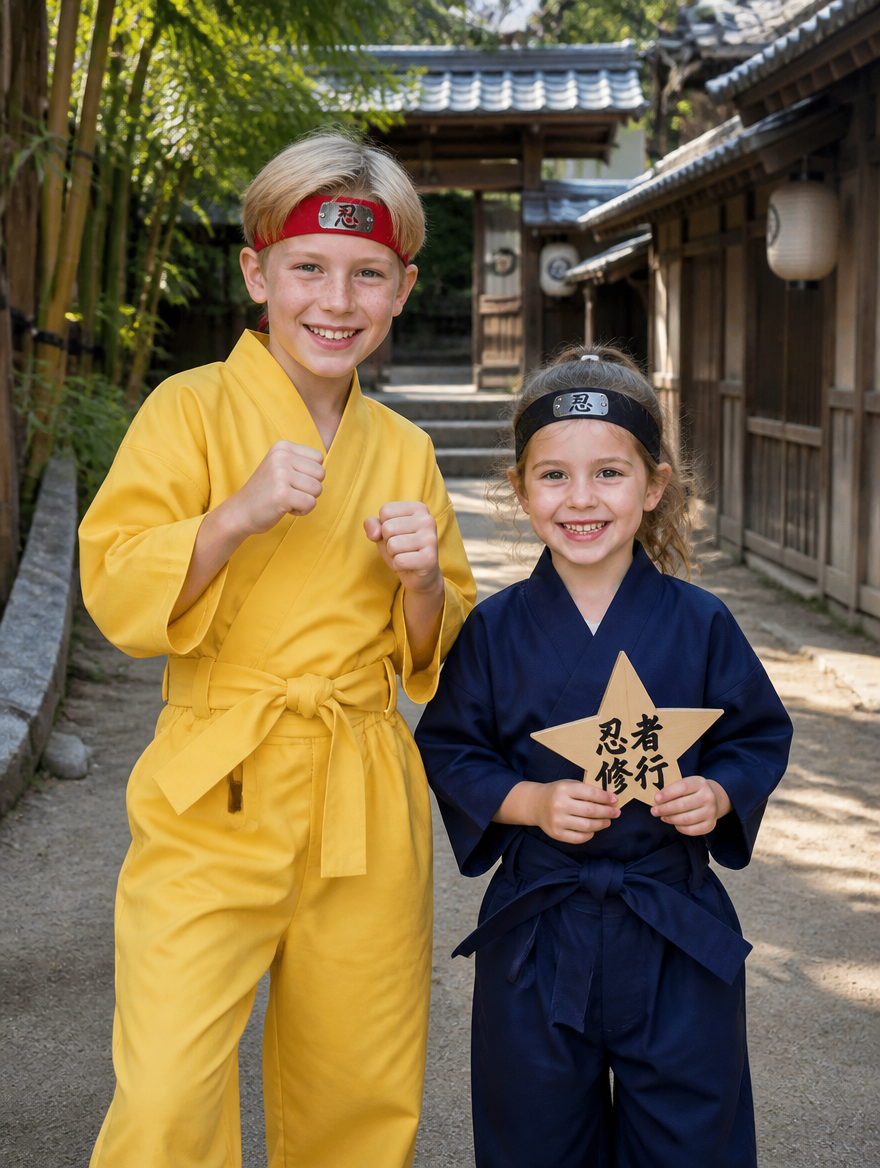
The Samurai Experience is highly family-friendly, offering tailored ninja and samurai activities for children. Kids aged 12 and under receive a reduced rate, and those under 3 enter for free.

Accessibility

The Samurai Experience facility offers a wheelchair-accessible entrance and restroom facilities. Please inform staff in advance if you require specific assistance during your session.

Food & drink

No food or drink is permitted inside the museum galleries. Guests are encouraged to visit nearby cafes in the Nakagyo Ward area after their tour.

Not allowed

× Umbrellas × Plants × Food × Alcohol × Flammable items × Sharp objects × Large luggage × External costume props × Professional lighting rigs × Balloons

What to bring

✓ Comfortable shoes ✓ Mobile phone for photos ✓ Valid booking confirmation ✓ Water bottle ✓ Socks for tatami areas

Opening hours

Mon 09:15–18:30
Tue 09:15–18:30
Wed 09:15–18:30
Thu 09:15–18:30
Fri 09:15–18:30
Sat 09:15–18:30
Sun 09:15–18:30

How to get there

At a glance

Opening hours

09:15–18:30

Address

109 Horinouechō, Nakagyo Ward, Kyoto, 604-8042, Japan

Entry

Wheelchair accessible entrance and facilities

Arrival

09:15–17:30 — Arrive early to join morning sessions and avoid afternoon crowds for a more personal experience.

Storage

Locked storage provided for umbrellas and large bags

Navigation

Located near the Nishiki Market area

Cancellation policy

Full refunds are typically available for cancellations made within the specified window provided by your booking platform. Please check your specific confirmation for the exact timeframe regarding the 2,400 JPY entrance fee.

Plan your time

Kyoto Samurai Experience Tickets: Planning Your Visit Duration and Timing

Recommended time

1.5 - 2 hours

A visit to the museum typically requires 1.5 to 2 hours to fully enjoy the guided museum tour and interactive samurai/ninja activities. To ensure a personal experience, secure your kyoto samurai experience tickets for the morning hours to avoid the peak afternoon influx. Planning your schedule within the best arrival window of 09:15–17:30 allows for a seamless flow through the facility, including time for weapon handling and traditional gear displays. These kyoto samurai experience tickets tours provide comprehensive access, though those interested in extended practice sessions should factor in additional time when booking their kyoto samurai experience tickets tickets.

Crowd levels through the day

09:15–11:00 Light
11:00–13:00 Moderate
13:00–15:00 Busy
15:00–17:30 Moderate
The story

The history of Kyoto Samurai Experience

The samurai tradition that shapes modern kyoto samurai experience tickets emerged during the Heian period (794–1185), when provincial warrior clans began displacing aristocratic rule. By the twelfth century, the Minamoto and Taira families had established martial governance, and Kyoto—though remaining the imperial capital—became a stage for samurai political maneuvering. The Kamakura shogunate formalized the warrior class in 1185, codifying bushido principles that would define samurai identity for seven centuries. Kyoto's role as cultural heart meant samurai stationed there adopted refined tea ceremony practices, Zen meditation, and calligraphy alongside martial training. The Muromachi period (1336–1573) saw the Ashikaga shoguns base their government in Kyoto, transforming the city into a nexus where sword schools and dojo flourished. The Sengoku era brought upheaval. Oda Nobunaga's entry into Kyoto in 1568 marked a brutal consolidation of power, and his successor Toyotomi Hideyoshi imposed strict class divisions that formalized samurai status. The Tokugawa shogunate, established in 1603, relocated political power to Edo but maintained Kyoto as a ceremonial center where samurai etiquette and court traditions intersected. For those seeking kyoto samurai experience tour opportunities today, this layered history explains why Kyoto preserves more intact samurai artifacts than Tokyo—the city avoided large-scale wartime destruction and retained dojo lineages unbroken since the seventeenth century. The Meiji Restoration of 1868 abolished the samurai class overnight. The government banned swords in 1876, triggering the Satsuma Rebellion and the end of an era. Yet Kyoto's martial arts schools persisted, rebranding as cultural preservation societies. By the 1920s, kendo and iaido had become school curricula, and post-war tourism revived interest in samurai heritage. The modern Samurai & Ninja Museum opened in 2018 at 109 Horinouechō, Nakagyo Ward, offering interactive exhibits where visitors handle replica katana, practice sword stances, and engage with costumed interpreters. This institution synthesizes centuries of warrior tradition into accessible kyoto samurai experience tickets, blending historical accuracy with participatory theater to sustain a legacy that once ruled Japan.

794–1185

Heian period establishes provincial warrior clans that evolve into the samurai class

1185

Minamoto Yoritomo founds the Kamakura shogunate, formalizing samurai governance and bushido codes

1336–1573

Ashikaga shoguns rule from Kyoto, making the city a center for sword schools and martial arts dojo

1603

Tokugawa Ieyasu establishes the Edo shogunate, shifting power east but preserving Kyoto as a ceremonial samurai hub

1868

Meiji Restoration abolishes the samurai class, banning swords and dismantling feudal warrior privileges

1876

Haitorei Edict prohibits sword-carrying in public, triggering the Satsuma Rebellion and samurai extinction

1920s–1940s

Kendo and iaido reenter Japanese schools as physical education, preserving martial traditions under modern frameworks

2018

Samurai & Ninja Museum opens in Nakagyo Ward, offering hands-on exhibits and guided tours for international visitors

Photo spots

Kyoto Samurai Experience Tickets: Where to Capture Your Warrior Photos

Armor Display Hall

Armor Display Hall

Best light · Early morning

Stand centrally before the primary suit of traditional Japanese armor to capture the detailed craftsmanship of the helmet and chest plate. This location allows for a clear background that emphasizes the historic attire, making it ideal for those using kyoto samurai experience tickets to document their visit.

Interactive Training Dojo

Best light · Mid-day

Position yourself against the wooden wall panels while holding a practice katana for a dynamic action shot. This space serves as a focal point for the Kyoto samurai experience tickets tours, providing a professional studio backdrop for portraits.

Katana Detail Corner

Katana Detail Corner

Best light · Late afternoon

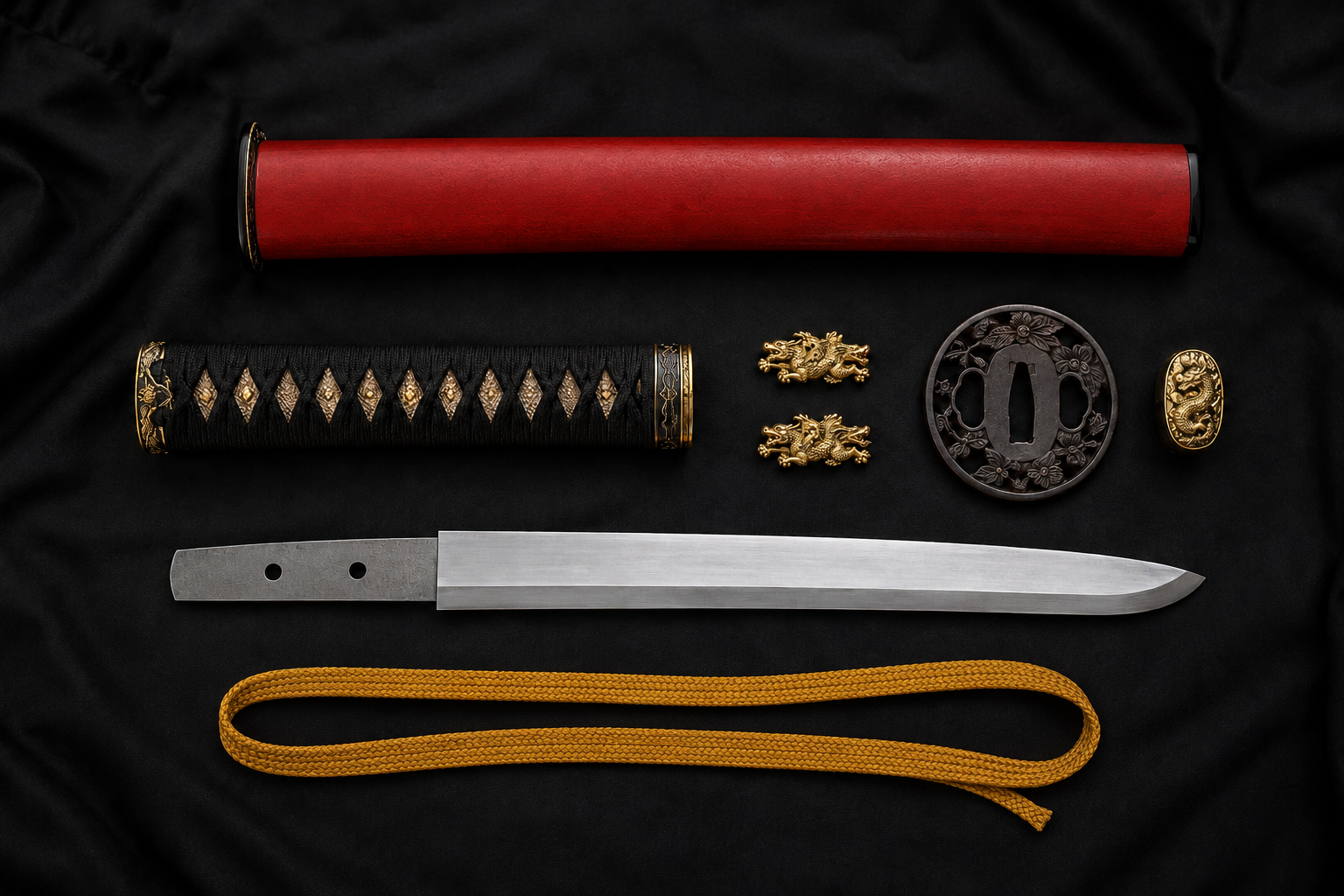
Focus your lens on the intricate handle wrapping and blade guard of the display swords found in this dedicated exhibit section. Visitors securing kyoto samurai experience tickets tickets often capture close-up shots here to highlight the metalwork and textile artistry.

Museum Entrance Gate

Museum Entrance Gate

Best light · Before 09:30

Frame your shot from the sidewalk looking toward the wooden facade and signage to establish your arrival at this Kyoto landmarks site. This exterior angle provides a clean composition before entering for your booked skip-the-line samurai experience.

Gallery

Moments from Kyoto Samurai Experience

With kids

Family Logistics for Kyoto Samurai Experience Tickets

Visiting the museum with children provides a hands-on look at history, making kyoto samurai experience tickets a practical choice for families interested in traditional martial arts and Japanese culture. This interactive Kyoto samurai experience tour keeps younger visitors engaged with physical demonstrations and armor displays.

Stroller Access

The venue is compact and historic, so please leave strollers at the entrance to navigate the museum displays comfortably. Carrying infants in a front pack is recommended for those with very young children.

Best Ages

Children aged six and up get the most out of the shuriken throwing and sword handling activities. Older kids appreciate the guided museum tour, which offers context for these kyoto samurai experience tickets tours.

Facilities

There are no baby-changing tables available on-site, so plan your stop accordingly before arrival. Restrooms are located within the building for quick access during your visit with kyoto samurai experience tickets tickets.

Pacing

Expect a moderate pace through the exhibits, with active periods during the training segments. Arriving during the 09:15–17:30 window helps ensure your family can move through the space without feeling rushed by larger groups.

Food & drink

Where to eat at Kyoto Samurai Experience

Visitors securing kyoto samurai experience tickets will find themselves in the heart of Nakagyo Ward, where numerous dining options await just steps from the museum. While no food is served inside the venue, the surrounding streets offer convenient access to traditional Japanese fare for those holding kyoto samurai experience tickets tours.

Menya Inoichi

€€

Ramen shop - 4 min walk

Known for refined dashi-based broth and high-quality noodles, this spot often has a queue, so arrive early. It provides a sophisticated break before or after your kyoto samurai experience tickets tour.

FAQ

Kyoto Samurai Experience — frequently asked questions

Everything you need to know for your journey

Ready for Adventure?

Join thousands of happy travelers who have discovered this incredible experience

Book Your Experience Now