2 hr
Kyoto Samurai & Kendo Immersion in Historic Machiya
- Entry ticket
- Mobile voucher
- Valid same day
- Free cancellation
Private Samurai Experience Kyoto — Exclusive Sword Arts & Armor Sessions
One-on-one instruction in blade technique, centuries-old discipline distilled into your hour.
Compare fares, pick the fit — all bookings are mobile-voucher and eligible for free cancellation where shown.
2 hr
1 hr 30 min
2 hr
Selecting the right private samurai experience kyoto allows you to tailor your journey through traditional Japanese martial arts. Whether you seek intensive kenjutsu training or an immersive cultural immersion, these exclusive sessions offer direct engagement with authentic Edo-period heritage.
| Training Session Instructor-Led |
Top pick Historical Masterclass Expert-Guided |
Photography Package Studio-Access | |
|---|---|---|---|
| Activity Type | Sword techniques | Sword and history | Portrait session |
| Physical Intensity | High | Moderate | Low |
| Historical Focus | Technical training | Cultural context | Aesthetic presentation |
| Inclusions | Sword gear and lessons | Lesson and guide | Costume and photos |
| Best for | Active practitioners | First-time visitors | Souvenir seekers |
| See tickets & prices |
Verdict: For those interested in booking private samurai experience kyoto tours, the Historical Masterclass provides the most balanced entry point, whereas the Training Session suits those prioritizing physical sword mastery.
Worth it for immersive cultural depth
A private samurai experience Kyoto session delivers value through expert-led instruction and exclusive cultural immersion that standard tours cannot match. Sessions range from focused sword training to comprehensive packages combining kendo practice, Zen meditation, and professional armor photography at historic machiya estates. The investment buys small-group or one-on-one instruction from certified martial artists who explain bushido philosophy, proper katana handling, and feudal-era combat forms—depth impossible in crowded group tours. Options like the Nijo-jo Castle shogun tour pair hands-on training with historical context at UNESCO sites. For travelers seeking authentic engagement with samurai traditions rather than surface-level demonstrations, these private samurai experience kyoto tours justify their premium through personalized pacing, direct access to practitioners, and the ability to tailor content to your skill level. Casual sightseers may find better value in standard castle visits, but anyone prioritizing cultural understanding over checkbox tourism will recognize the worth in direct transmission of martial disciplines that shaped Japanese history.
Bottom line: The premium buys irreplaceable depth—authentic transmission of samurai disciplines through expert instruction in historic settings that standard tours simply cannot provide.
They complement each other; most visitors who do both call the Samurai Kembu Theater the more performance-oriented option, while our private samurai experience kyoto tour is the superior choice for focused, one-on-one martial arts training.
|
Top pick Samurai Experience |
Samurai Kembu Theater | |
|---|---|---|
| Focus | Private martial arts instruction | Theatrical dance performance |
| Setting | Authentic dojo | Traditional theater stage |
| Group Size | Private groups only | Group sessions available |
| Instruction Depth | Technical sword mastery | Artistic sword choreography |
| Dress-up Included | Yes | Yes |
| Best For | Skill-seekers and purists | Families and performance enthusiasts |
| See tickets & prices |
Verdict: Choose our private samurai experience kyoto tickets if you prioritize deep technical instruction in a quiet, exclusive setting, or select the Kembu Theater if you prefer a spectator-focused introduction to the samurai spirit.
Hand-picked experiences loved by thousands of travelers
1 hour 30 minutes (Route 1) or 2 hours 30 minutes (Route 2)
Free Cancellation
Explore the Tokugawa stronghold with a dedicated guide through palace halls, gardens, and fortress grounds
1 hour
Free Cancellation
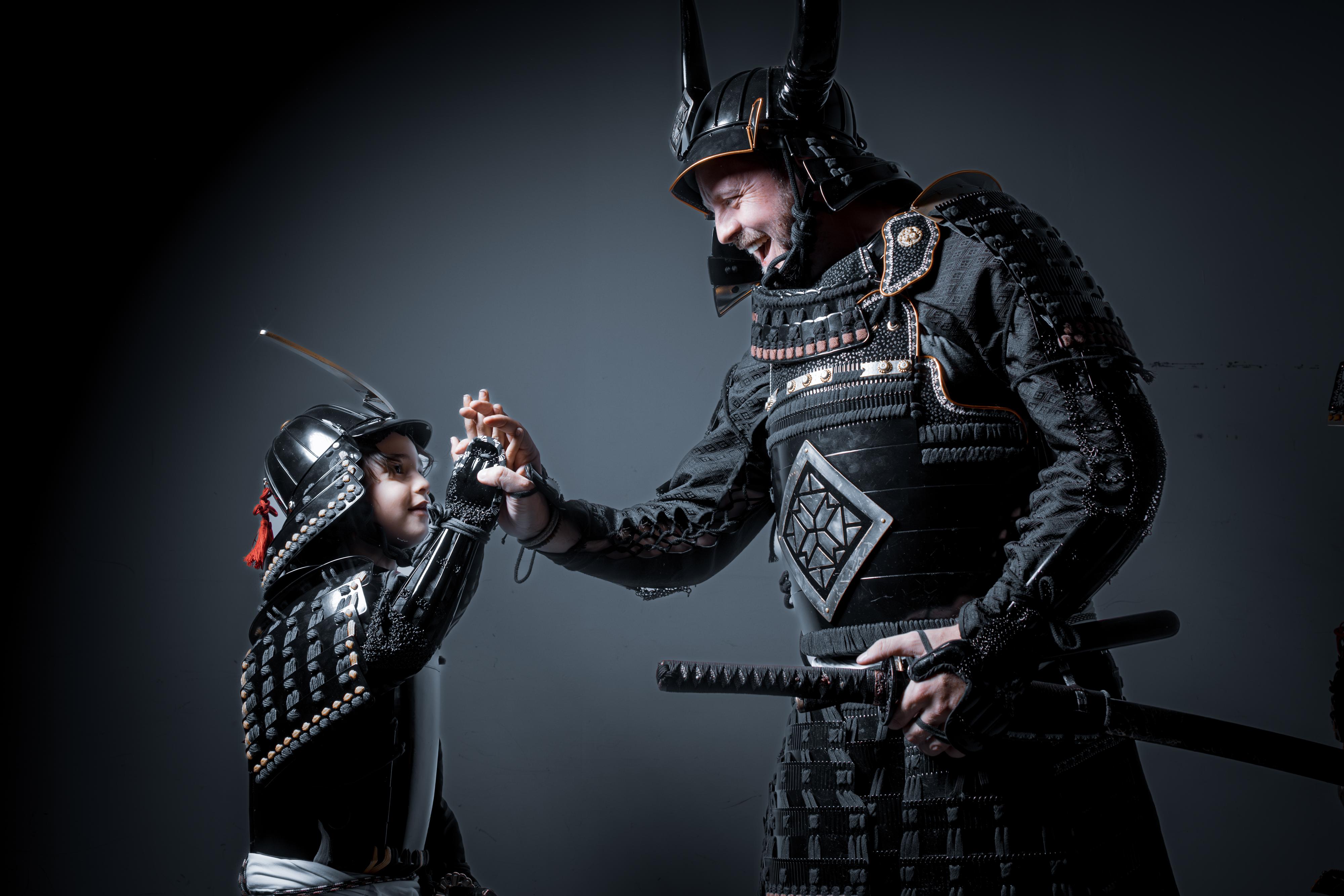
Suit up in genuine warrior gear, wield traditional weapons, and take home cinematic photos from your session.
3 hours
Free Cancellation
Design your own adventure through Kyoto's temples, culture, and hidden gems with a passionate local guide
1-2 hours
Free Cancellation
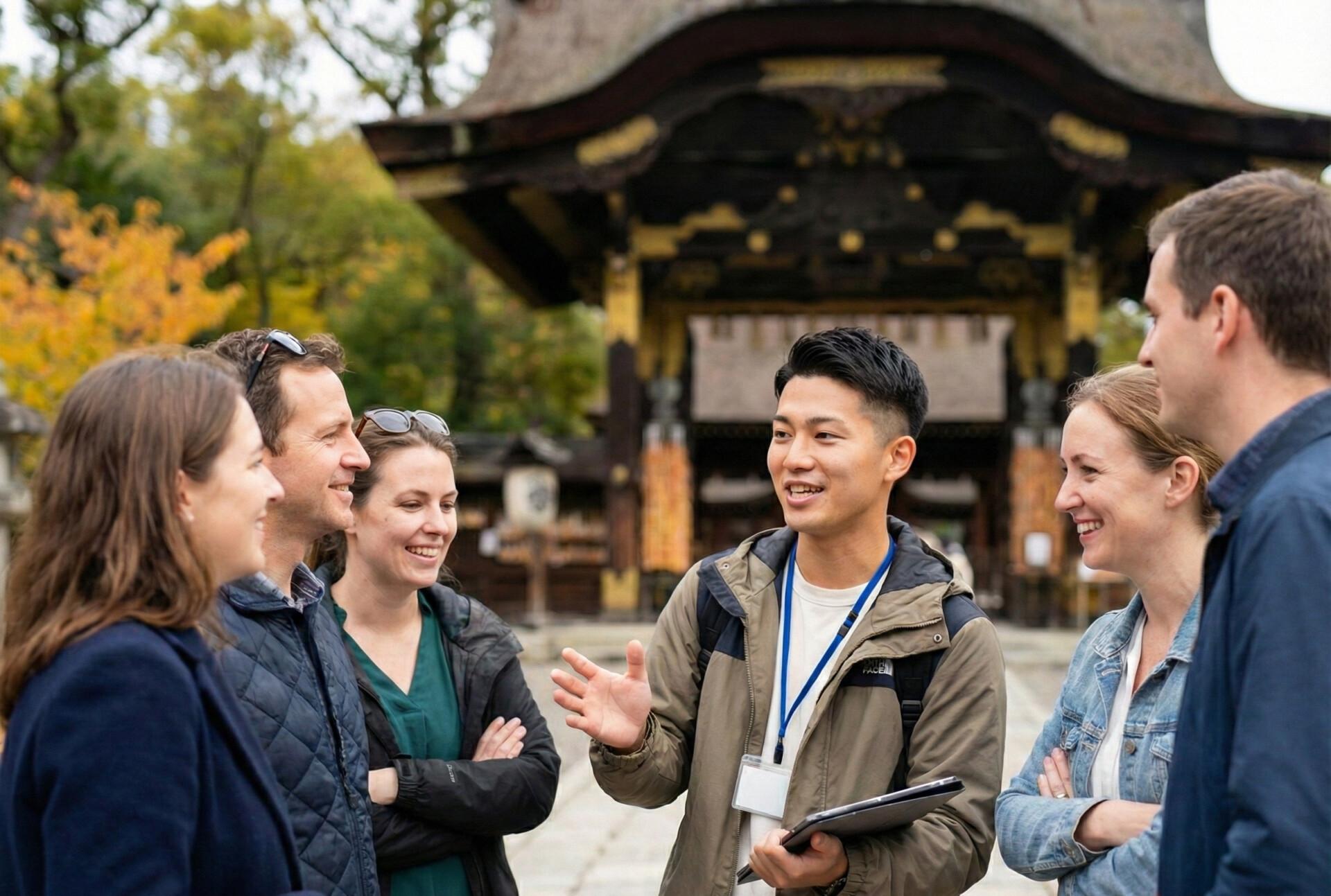
Journey through centuries of samurai history with a local guide at shrines and temples near Kyoto Station
1 hour
Free Cancellation
Wear authentic warrior attire and pose with traditional weapons in a historic armor gallery
1 hour guided, all-day access
Free Cancellation
Step into an active film set in Kyoto's historic studio district and train as a ninja alongside traditional tea
1.5 hours
Free Cancellation
Train in authentic martial arts techniques with a former national champion in a dedicated Kyoto studio.
1 hour
Free Cancellation
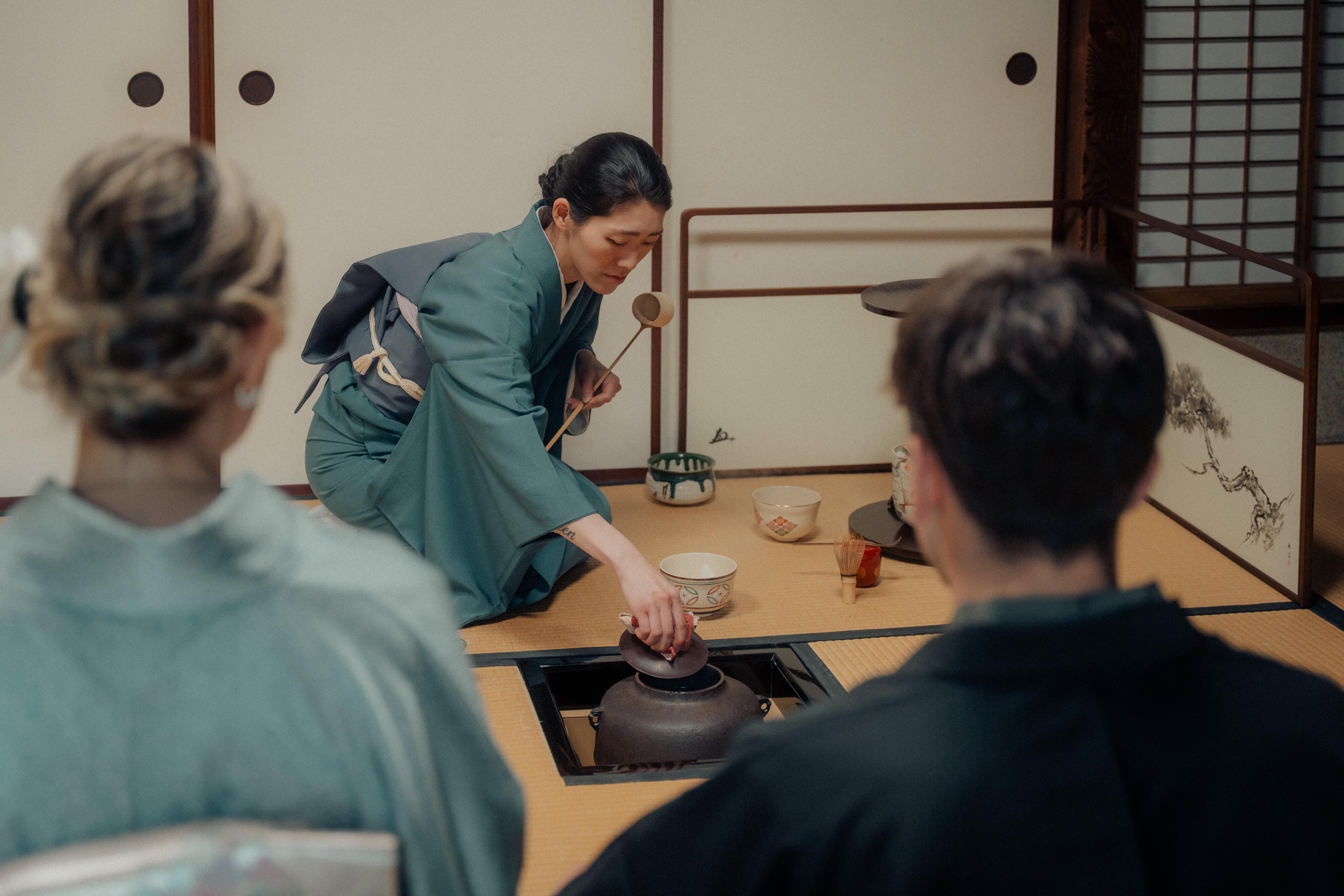
Experience an intimate tea ritual steeped in warrior tradition with matcha and seasonal sweets
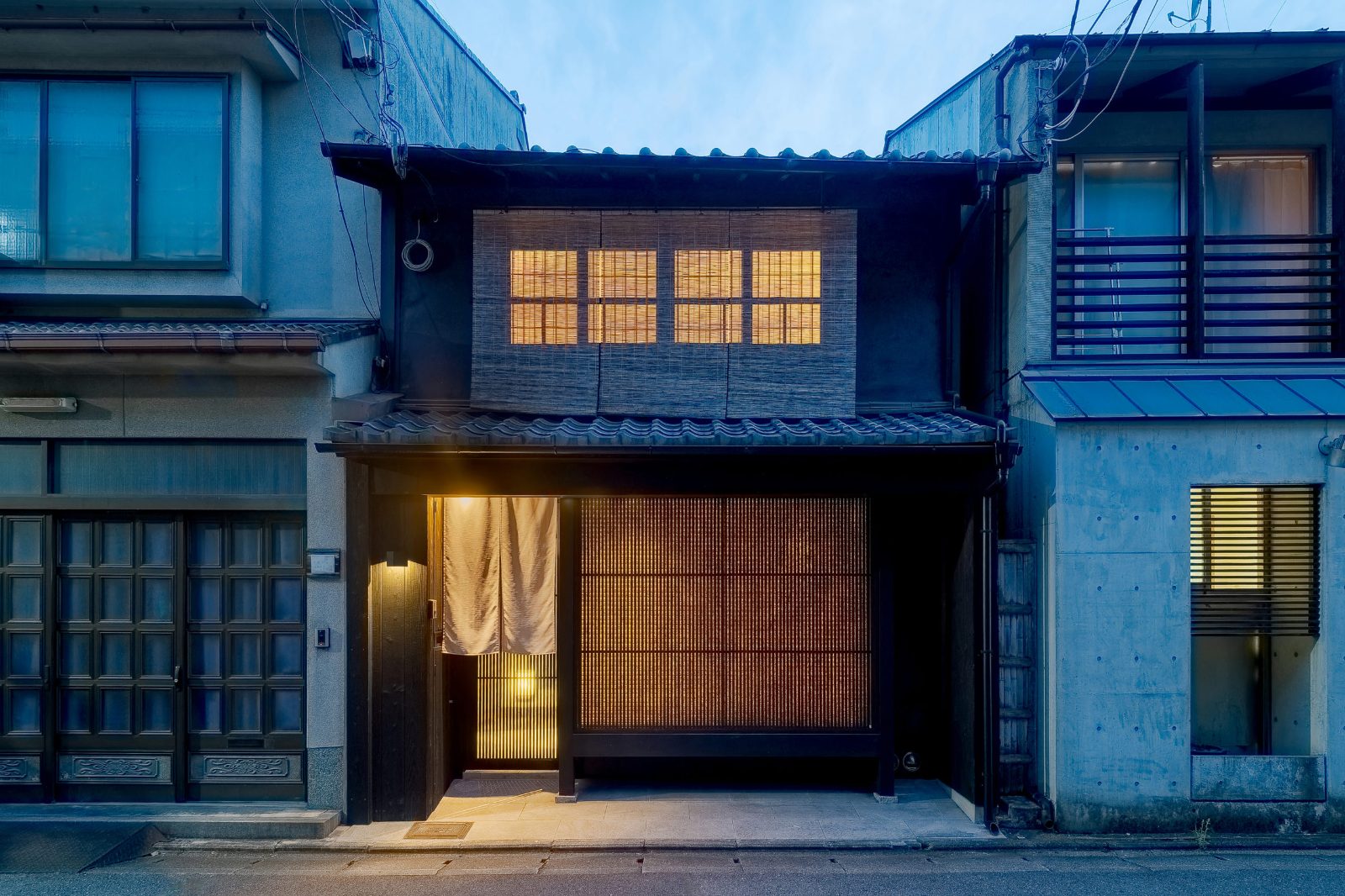
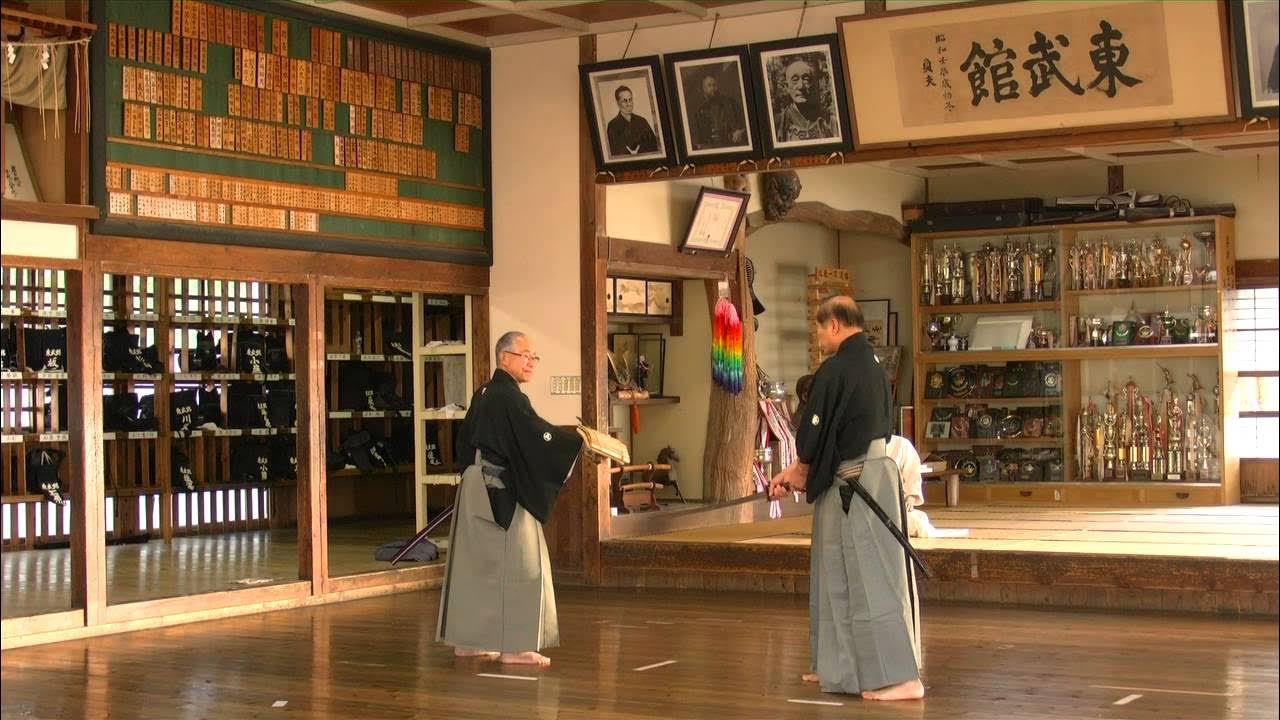
Train inside an authentic centuries-old Kyoto residence that preserves the atmosphere of the Edo period.
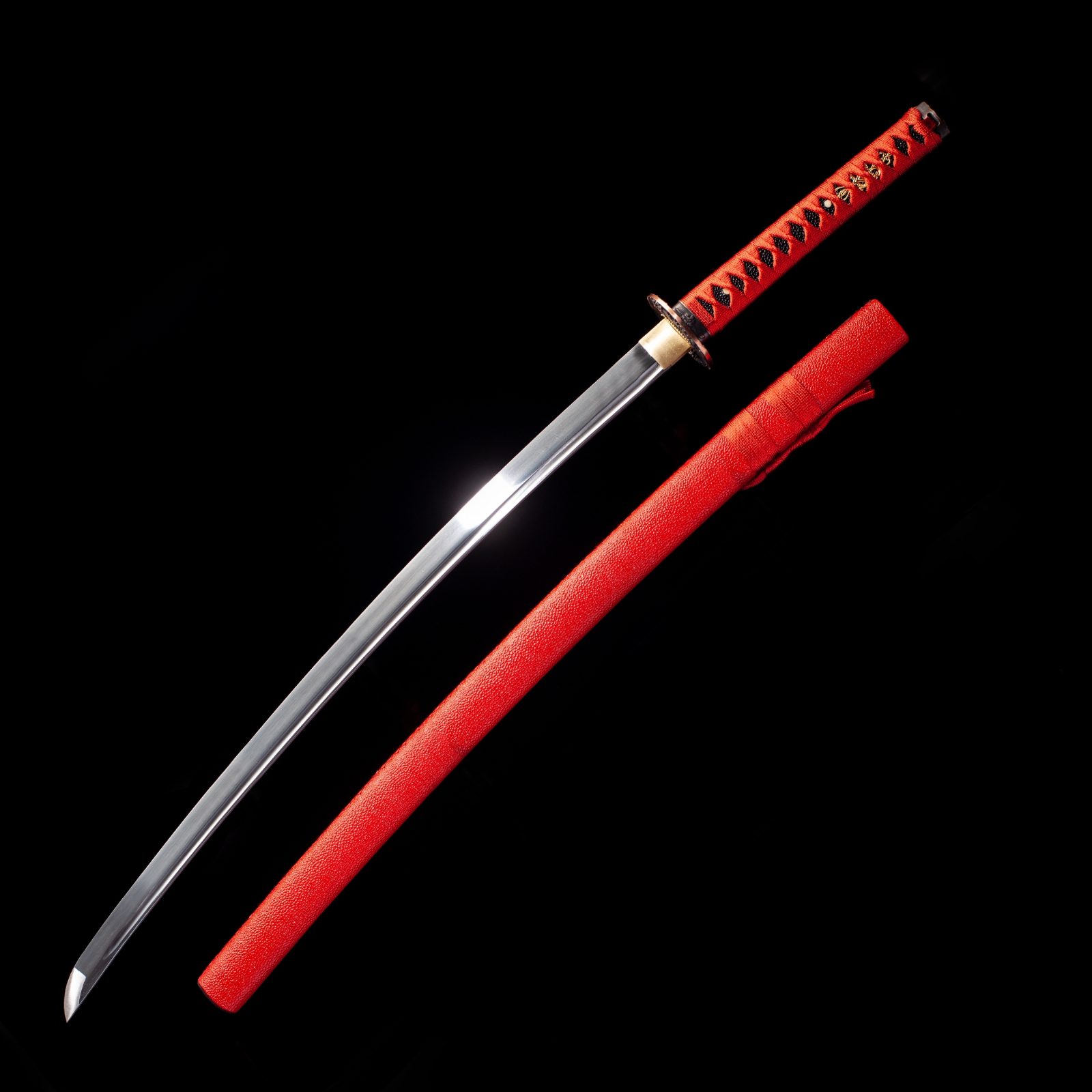
View a historical blade and learn about the soul of the warrior during your private lesson.
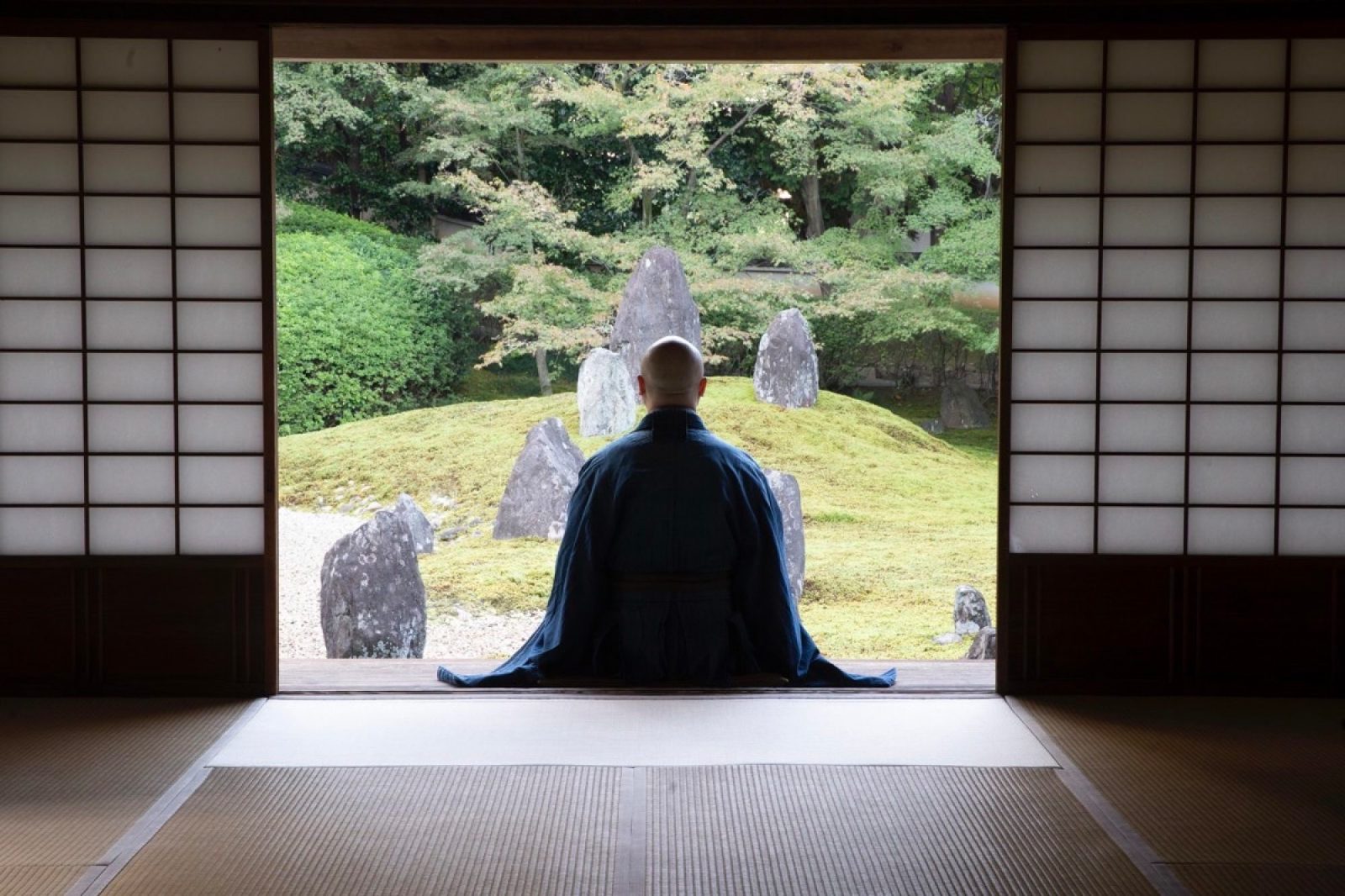
Experience the calming practice of Zen to cultivate focus alongside your physical sword training.
Learn the specific etiquette and techniques of the Tamiya-ryu school from licensed masters.
Understand the strict code of conduct and discipline that defined the life of historical warriors.
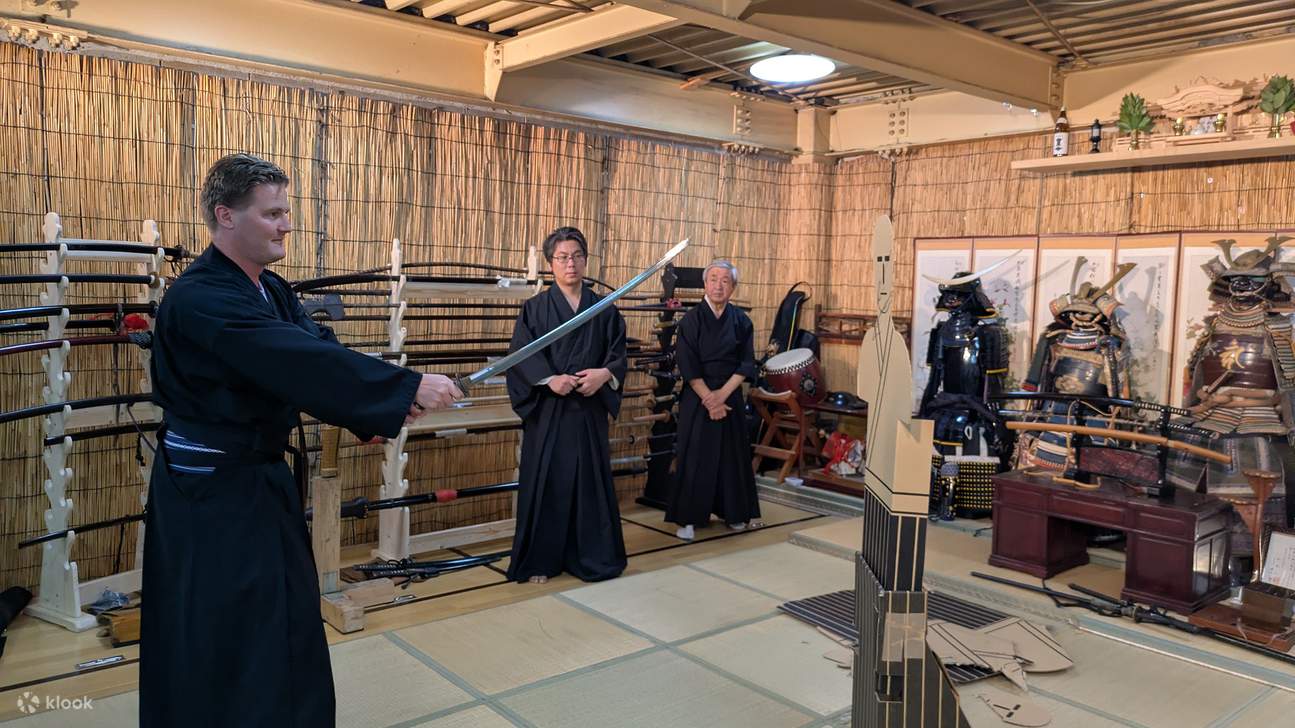
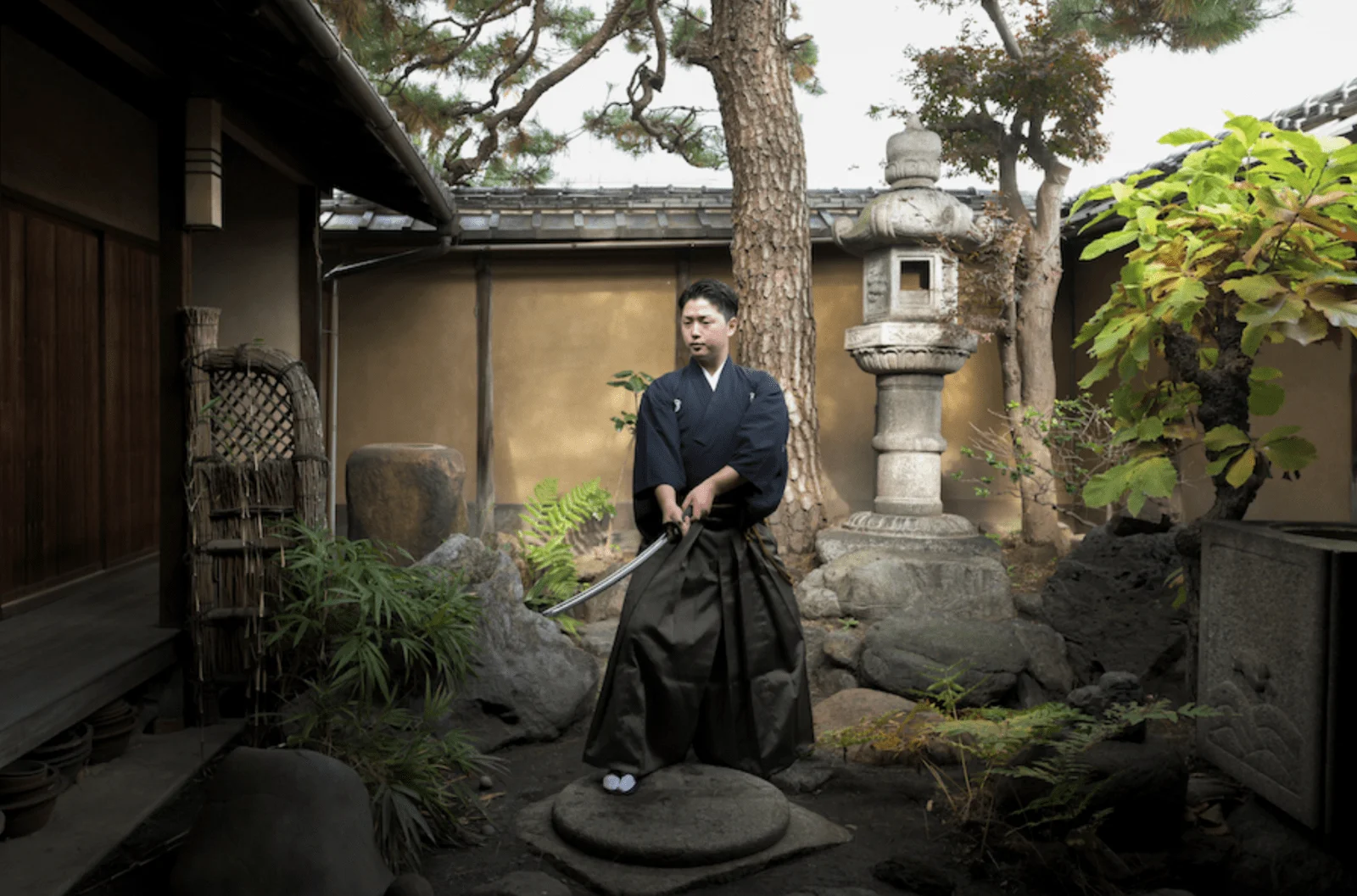
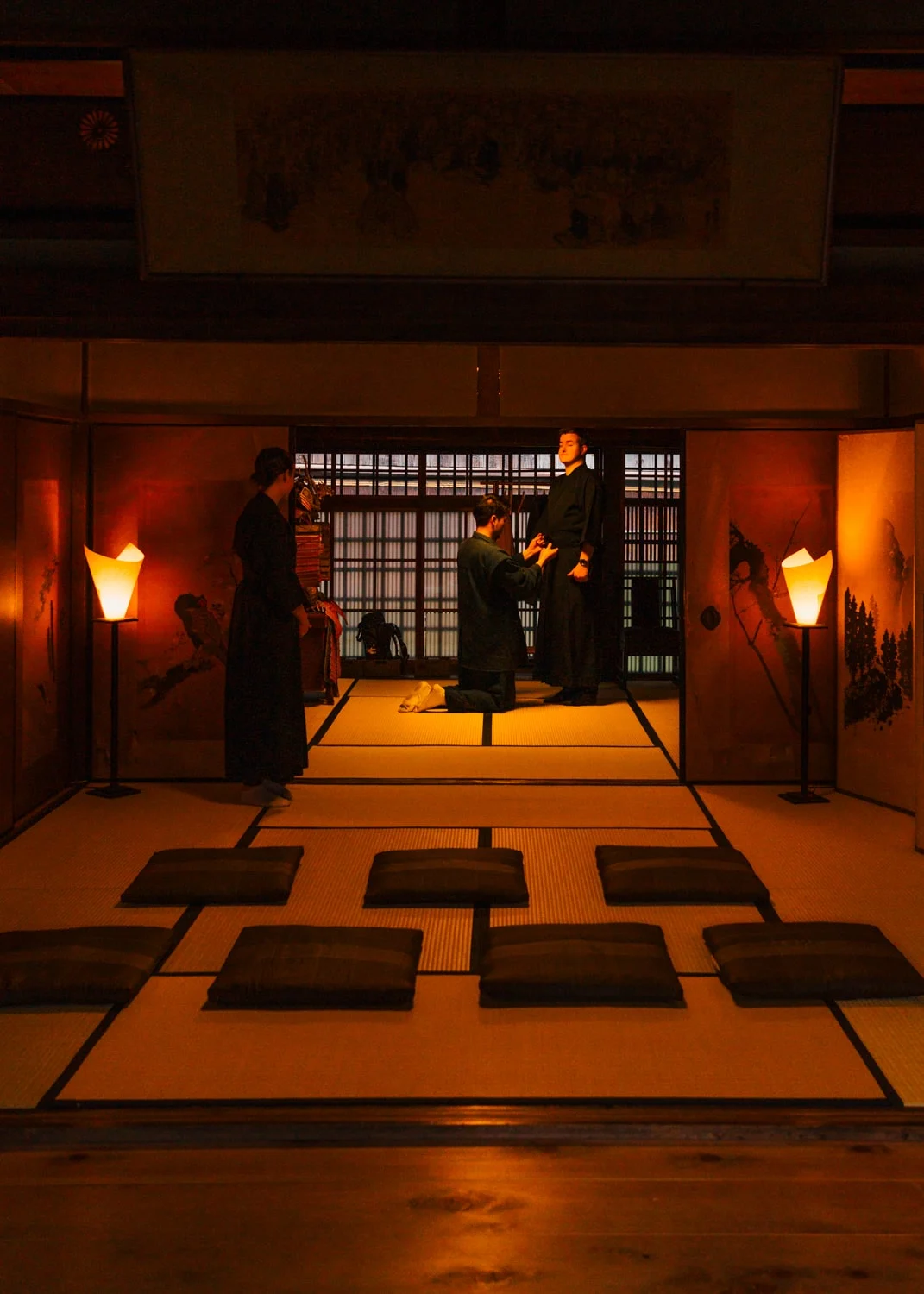
You arrive at 111 Inabachō fifteen minutes before your scheduled time, remove your shoes in the stone-floored genkan, and step onto tatami in the main hall. Your instructor—a sensei certified in multiple sword schools—hands you a folded keikogi and hakama and directs you to a changing area behind a sliding screen.
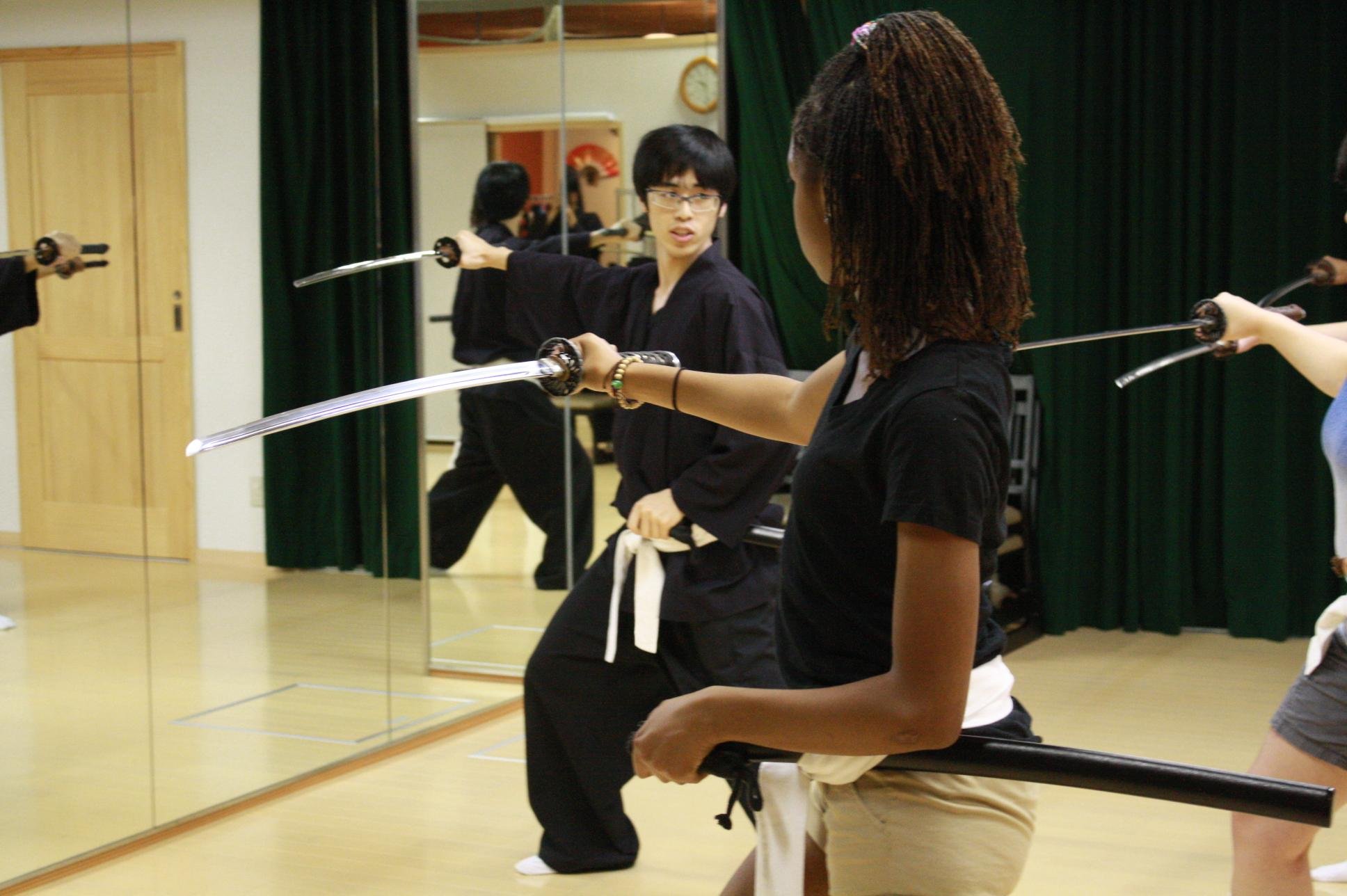
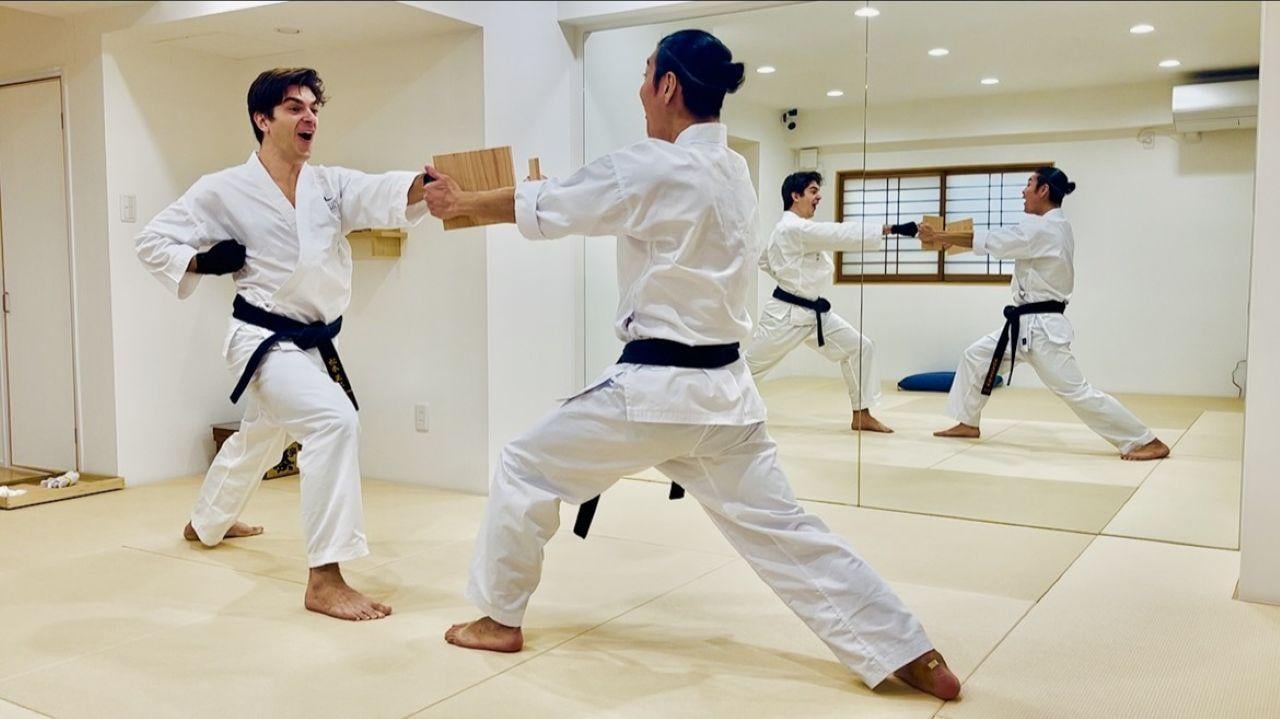
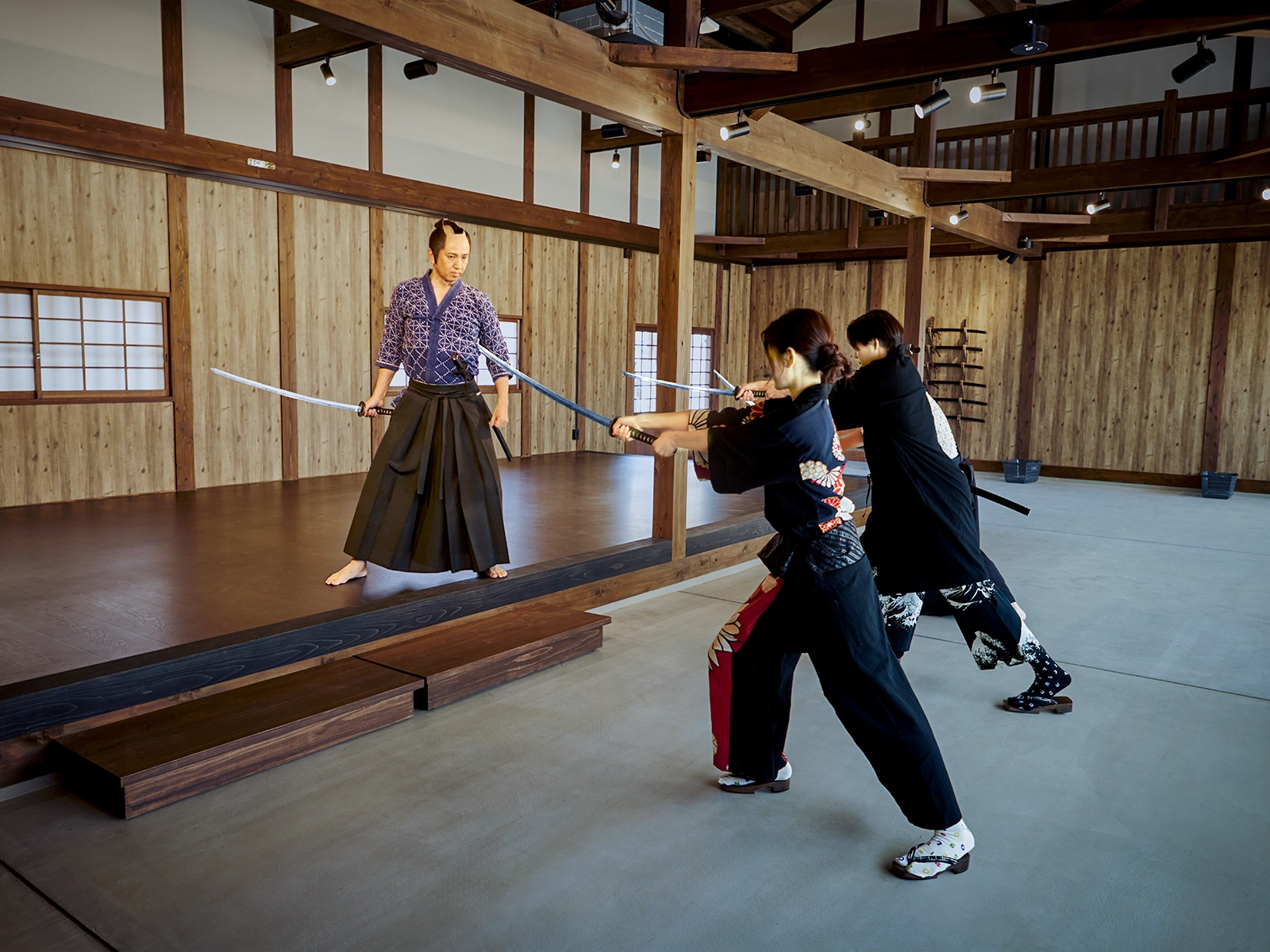
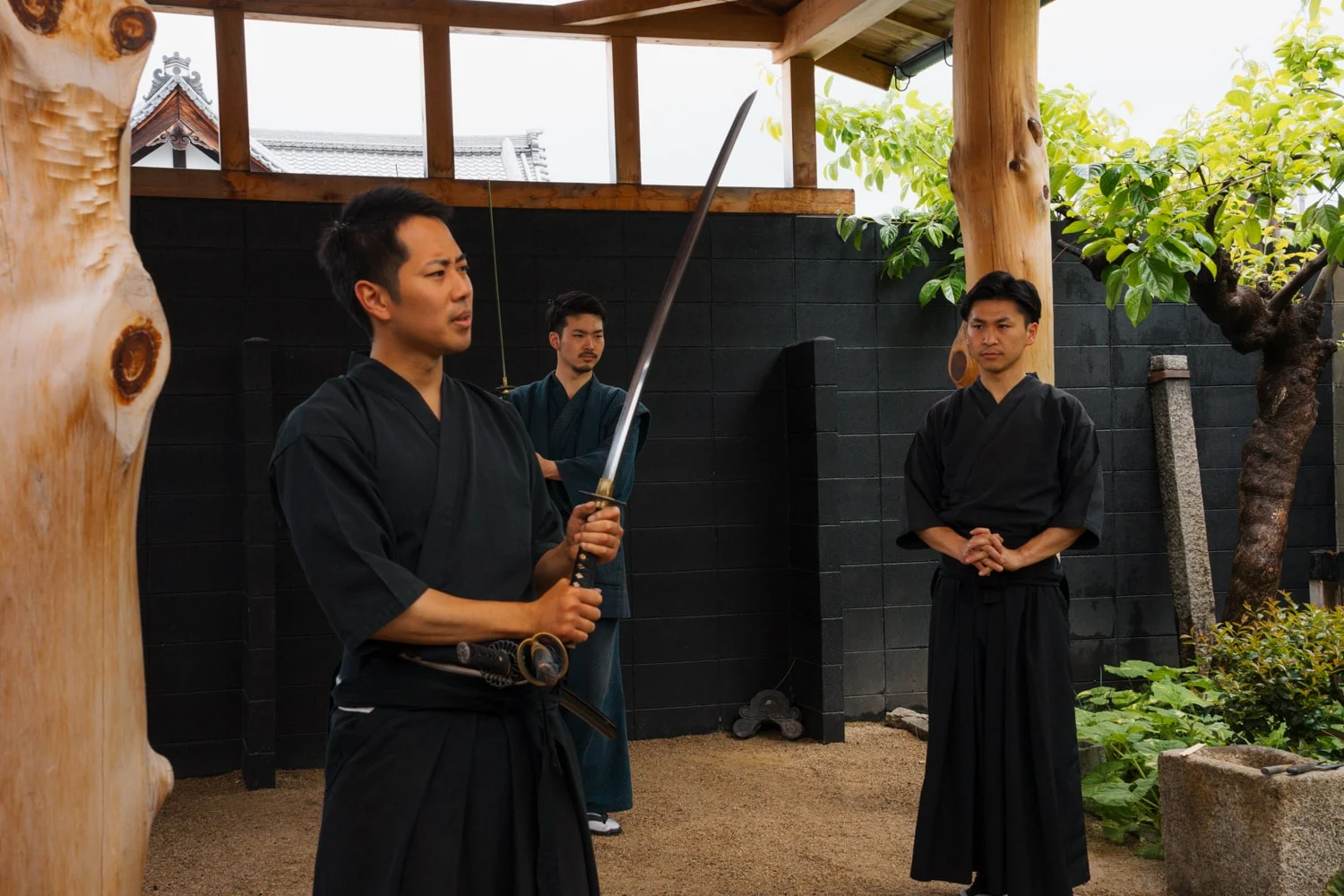
Once dressed, you return to the training floor, where a row of bokken rests against the wall. The sensei selects one for you based on arm length and demonstrates the basic grip: left hand at the base of the hilt, right hand just below the guard, both wrists loose enough to allow the blade to drop under its own weight.
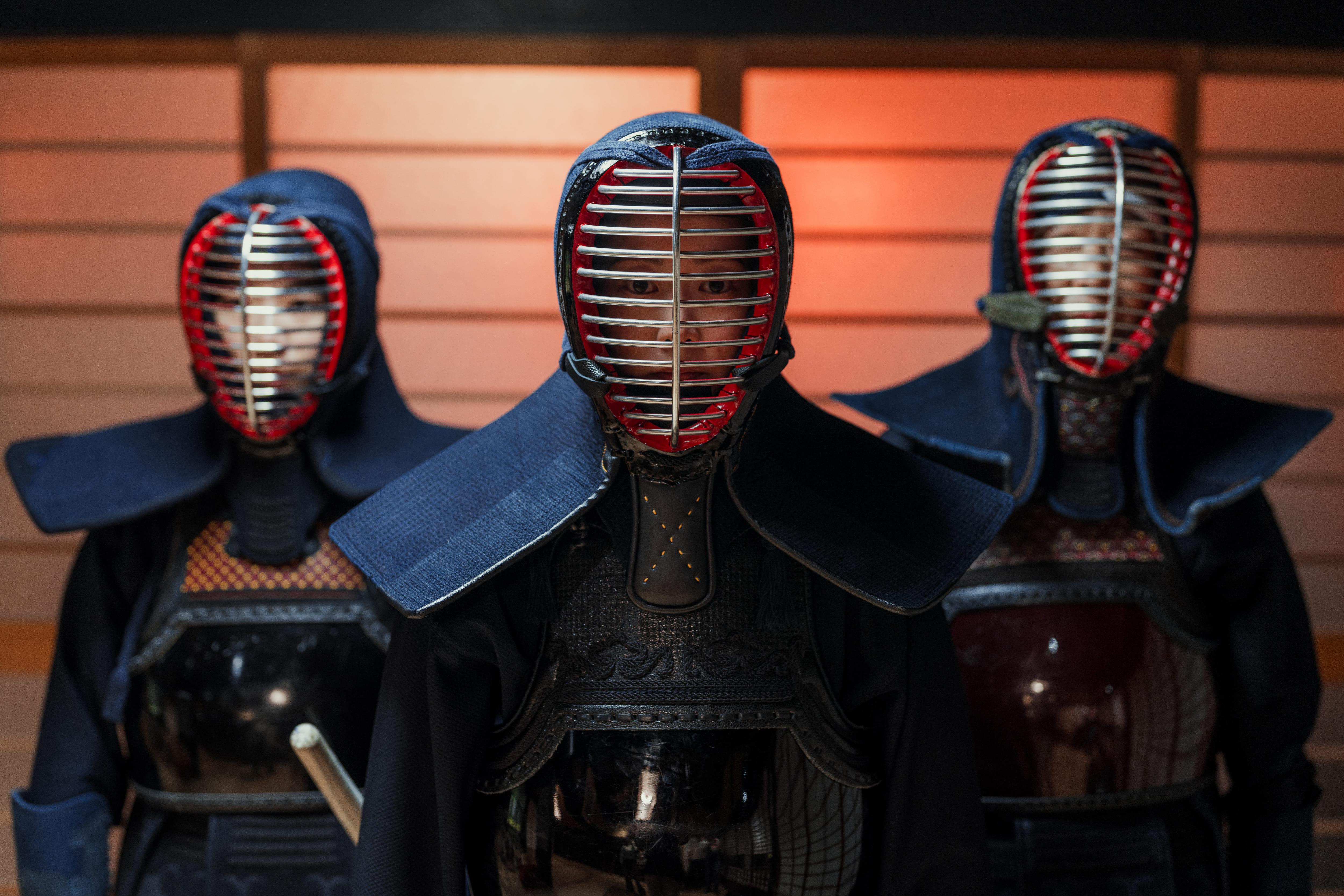
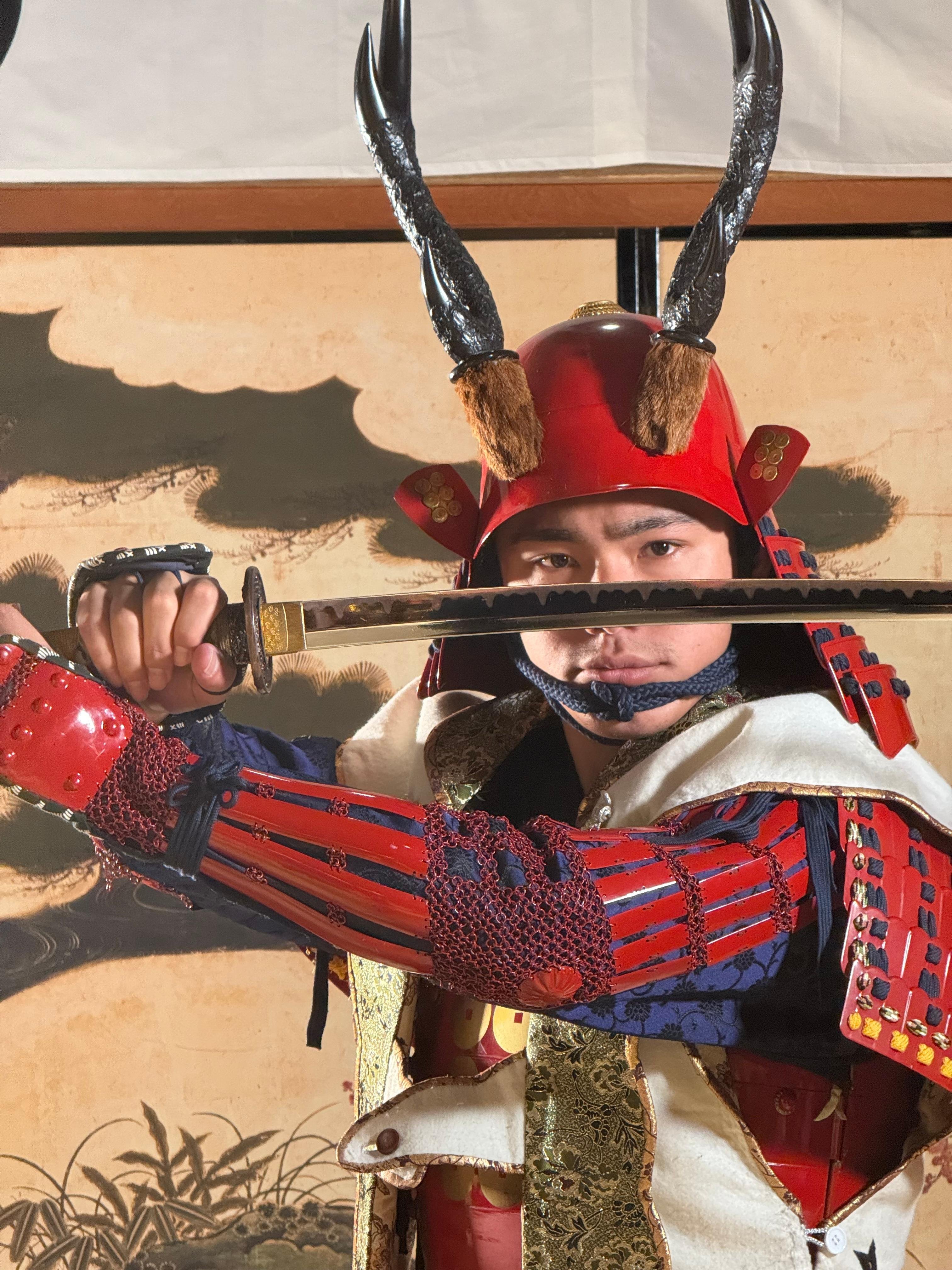
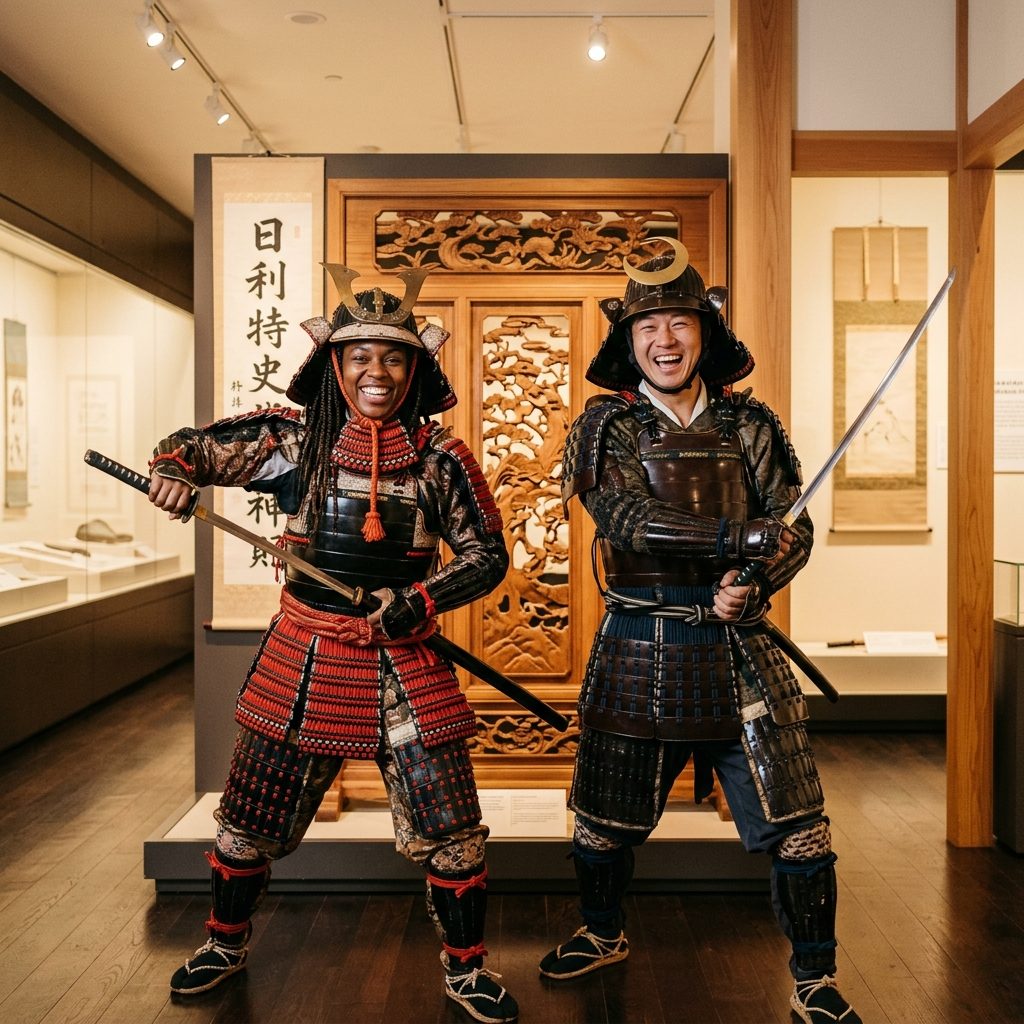
The first twenty minutes are suburi drills—vertical cuts repeated in sets of twenty, horizontal cuts from both stances, diagonal strikes that rotate the hips and engage the core. The sensei watches your shoulders, corrects your elbow angles, and taps your back foot when it drifts too far behind. Once your form stabilizes, you move into paired kata: slow-motion sequences where you and the instructor take turns as attacker and defender, each role teaching a different aspect of timing and distance. If you chose the armor photo option, the final segment shifts to a side room where lacquered yoroi components are fitted over your training clothes, each plate adjusted and tied, and a helmet with crescent crest settled onto your head. You hold a katana in formal guard position while the photographer captures angles that emphasize the armor's layered geometry and the grain of the tatami beneath your feet.
All the details about your upcoming adventure in one place
The samurai class was abolished in 1876, yet the blade disciplines they perfected across seven centuries remain teachable, transmissible, and alive in Kyoto's quieter wards.
What survives is not theatre but method: the geometry of stance, the physics of edge alignment, the muscle memory encoded in kata forms that still carry the names of Edo-period masters. Private samurai experience kyoto sessions operate from machiya townhouses and estate training halls in Nakagyo Ward, spaces where tatami flooring and exposed timber beams mirror the conditions under which these techniques were originally refined. Instruction is delivered one-on-one or in groups of two to four, a deliberate constraint that allows the sensei to correct grip pressure, footwork angle, and breathing rhythm in real time.
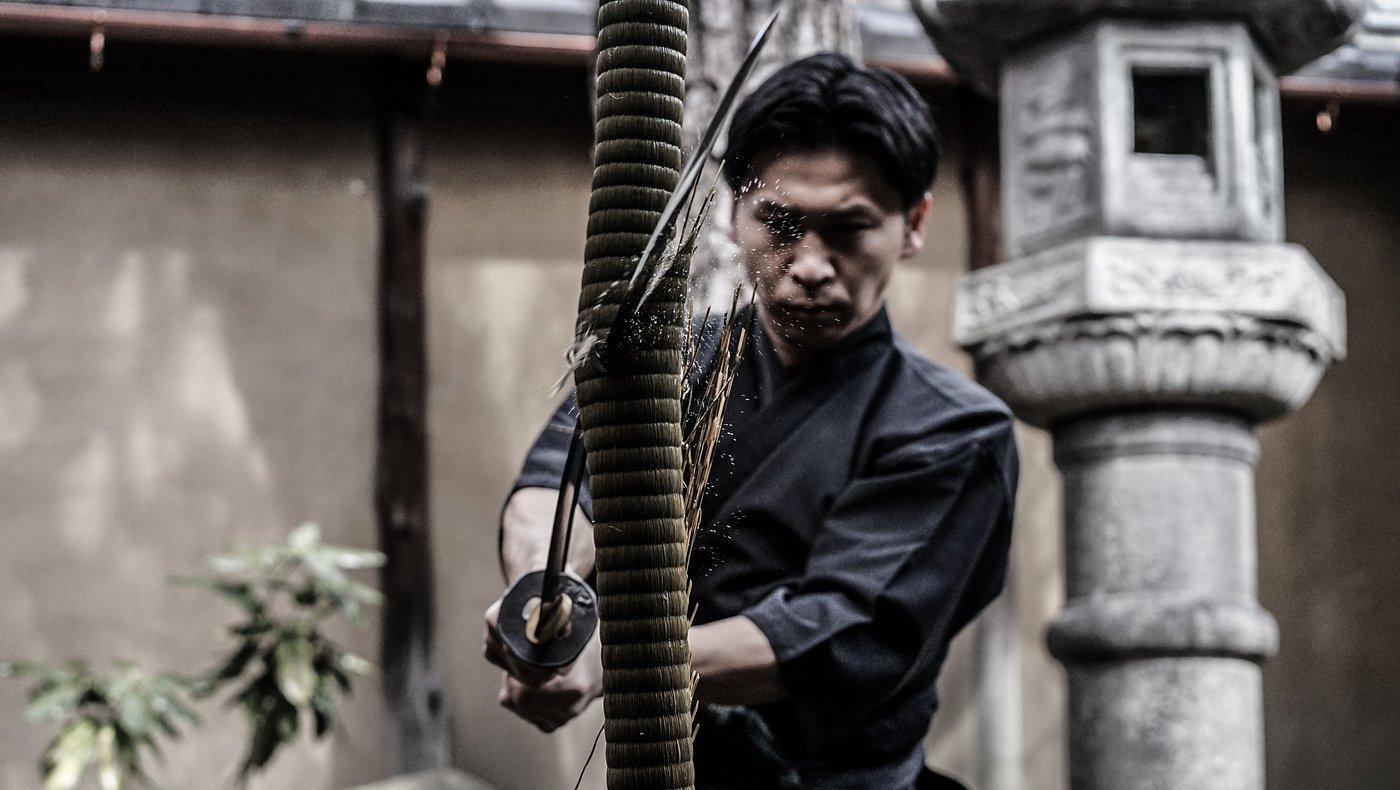
The curriculum draws from kendo, iaido, and battōjutsu—three branches of Japanese swordsmanship that diverged during the Tokugawa shogunate but share a common biomechanical foundation. Kendo evolved as sparring practice with bamboo swords, iaido as the art of drawing and cutting in a single motion, and battōjutsu as battlefield technique with live steel. Modern private lessons synthesize elements from all three, beginning with suburi (repetitive solo swings) to establish form, then progressing to partnered drills or controlled sparring. The training swords are either bokken (solid hardwood) or shinai (split bamboo), weighted to approximate a katana's balance point and requiring the same wrist control. Participants wear keikogi jackets and hakama trousers, the traditional uniform that restricts movement just enough to enforce economy of motion.
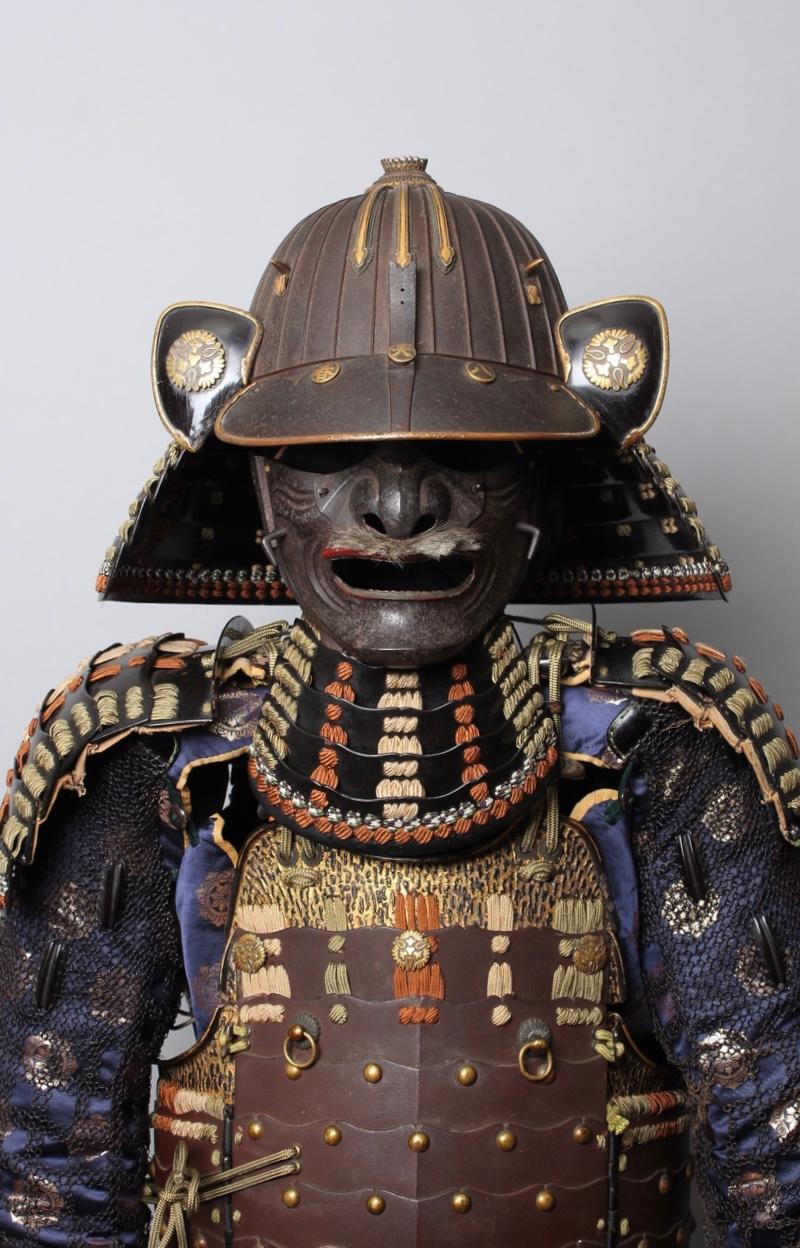
Kyoto remains the epicenter of these private samurai experience kyoto tours because the city's martial arts lineages were never severed. Several active dojos trace their teaching lines back to the Shinsengumi, the shogunate police force that operated from Kyoto during the 1860s, and to the imperial guard units that succeeded them. The armor photo sessions offered alongside sword training use reproduction yoroi sets modeled on mid-Edo designs: layered iron plates laced with silk cord, helmets with crescent or antler crests, and shoulder guards that replicate the heraldry of historical clans. These sessions are staged in interior courtyards or wood-paneled receiving rooms, environments that supply the visual grammar tourists expect but also reflect the spaces where samurai actually lived and trained. The experience is neither reenactment nor sport; it occupies a hybrid category closer to embodied history, where physical technique becomes the medium through which cultural memory is accessed and understood.

The samurai class was abolished in 1876, yet the blade disciplines they perfected across seven centuries remain teachable, transmissible, and alive in Kyoto's quieter wards.
Participants are provided with traditional training attire for the session. We recommend wearing comfortable footwear that is suitable for movement.
There is no dedicated luggage storage available at the dojo. Guests are advised to secure personal belongings before arrival.
Photography is permitted with permission, but posting images of instructors without consent is prohibited.
This private samurai experience kyoto is tailored for families and small groups. Children are welcome to join the private session.
Please contact the operator in advance regarding physical requirements for your private samurai experience kyoto.
Food and drink are not permitted inside the training area. Hydration before the session is encouraged.
Opening Hours
11:00–20:30
Address
111 Inabachō, Nakagyo Ward, Kyoto, 604-8803, Japan
Accessibility
Inquire for private session needs
Best arrival window
11:00–19:00
Storage
Not available on-site
Navigation
15 minutes before session start
Cancellations must be made according to the terms specified at the time of booking. Failure to arrive at the scheduled time results in cancellation after 15 minutes.
Recommended time
1.5-2 hours
Selecting a private samurai experience kyoto ensures personalized attention for your martial arts training and sword handling techniques. You should plan for a total engagement of ninety minutes to two hours, which includes the necessary briefing and meditative preparation for your Kyoto samurai tour. Because these sessions are strictly private, booking your private samurai experience kyoto tours requires arriving 15 minutes before your scheduled slot. Utilizing these private samurai experience kyoto tickets allows for a focused environment where equipment fitting and kata instruction occur without the delays found in larger group attractions.
Crowd levels through the day
The private samurai experience kyoto offers today trace their lineage to the martial training halls—dōjō—that served Kyoto's warrior class from the Heian period onward. By the twelfth century, sword schools had codified techniques into formal ryū, or traditions, many concentrated in the imperial capital where samurai served as guards and retainers. The Edo period saw these combat arts evolve into disciplined systems emphasizing mental cultivation alongside physical prowess, a shift reflected in the term budō—the martial way—which replaced the earlier bugei, or martial skills. Kyoto's transformation into a cultural preserve after 1868 threatened these sword traditions with extinction. The Meiji government's ban on sword-wearing and the dismantling of the samurai caste forced many dōjō to close. A handful of masters adapted by reframing their art as cultural heritage rather than military training, teaching kata—choreographed forms—to preserve technique without producing fighters. This pivot sustained schools like Tenshin Shōden Katori Shintō-ryū and Hyōhō Niten Ichi-ryū, both with historic ties to Kyoto practitioners. Modern private samurai experience kyoto tours emerged in the early 2000s as cultural tourism expanded beyond temple circuits. Operators partnered with licensed instructors to offer structured sessions blending demonstration, explanation, and hands-on practice with bokutō—wooden swords—in controlled settings. Unlike group workshops, these exclusive sessions allow personalized instruction in stances, cutting angles, and the etiquette that governed duel conduct. The format appeals to visitors seeking immersive engagement with Japan's martial heritage, delivered in intimate environments that echo the traditional dōjō atmosphere where discipline and focus still anchor every movement.
Kyoto sword schools codify combat techniques into formal ryū traditions.
Martial arts shift from combat training to philosophical discipline under the term budō.
Meiji reforms ban swords and dismantle the samurai class, forcing dōjō to adapt or close.
Cultural preservation efforts revive interest in classical martial arts as living heritage.
Private samurai sessions launch in Kyoto, targeting international visitors with hands-on sword instruction.
Exclusive, customizable experiences replace large-group workshops, emphasizing personalized training and traditional etiquette.
Position your camera at the edge of the tatami mats to capture the authentic woodwork and minimalist aesthetic during your session. This space provides an ideal backdrop for a private samurai experience kyoto where traditional martial arts techniques are practiced.
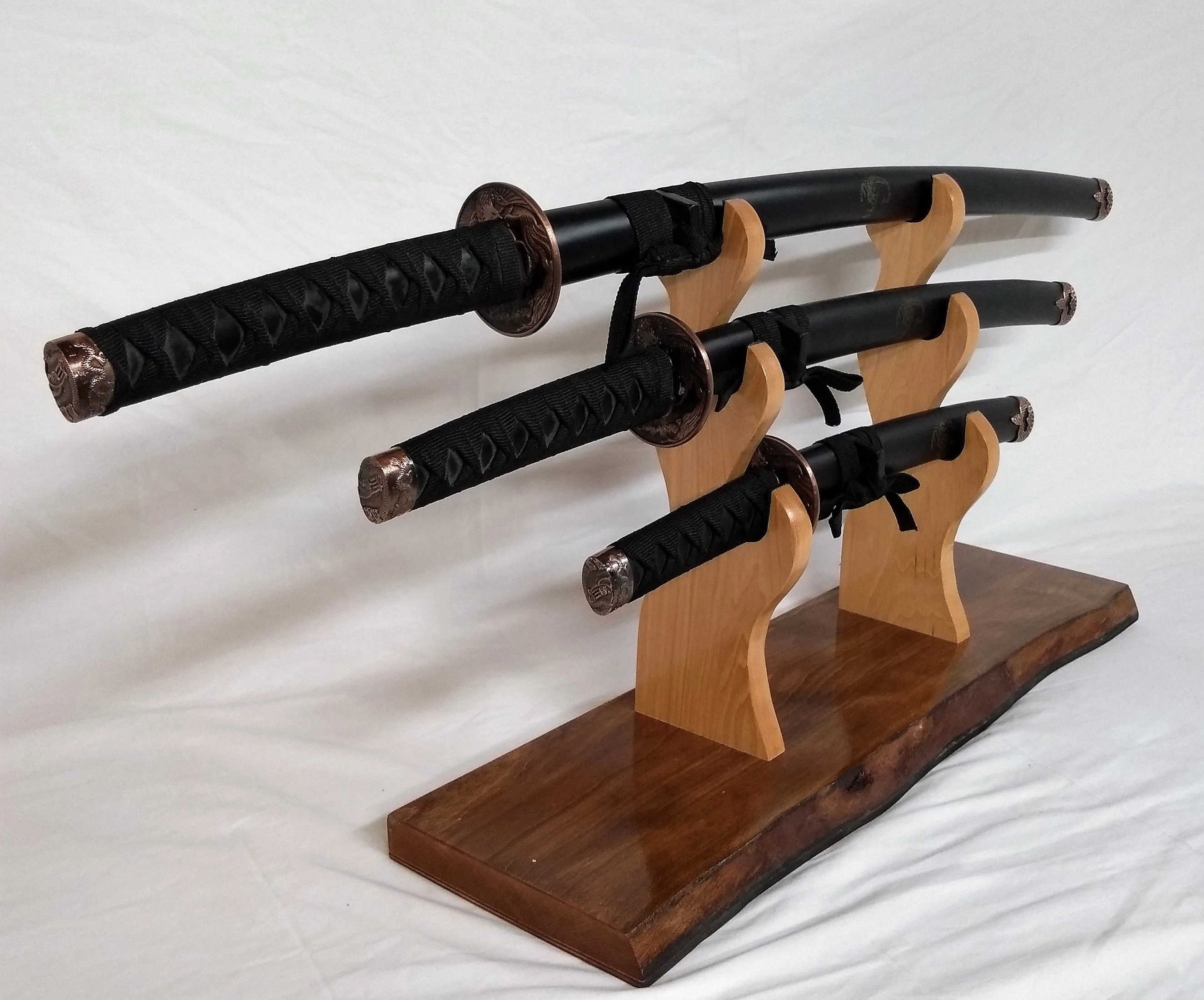
Focus your lens on the intricate detailing of the sword hilts and blade craftsmanship displayed on the wall racks. Standing slightly to the side allows for a depth-of-field shot that highlights these artifacts from your private samurai experience kyoto tours.
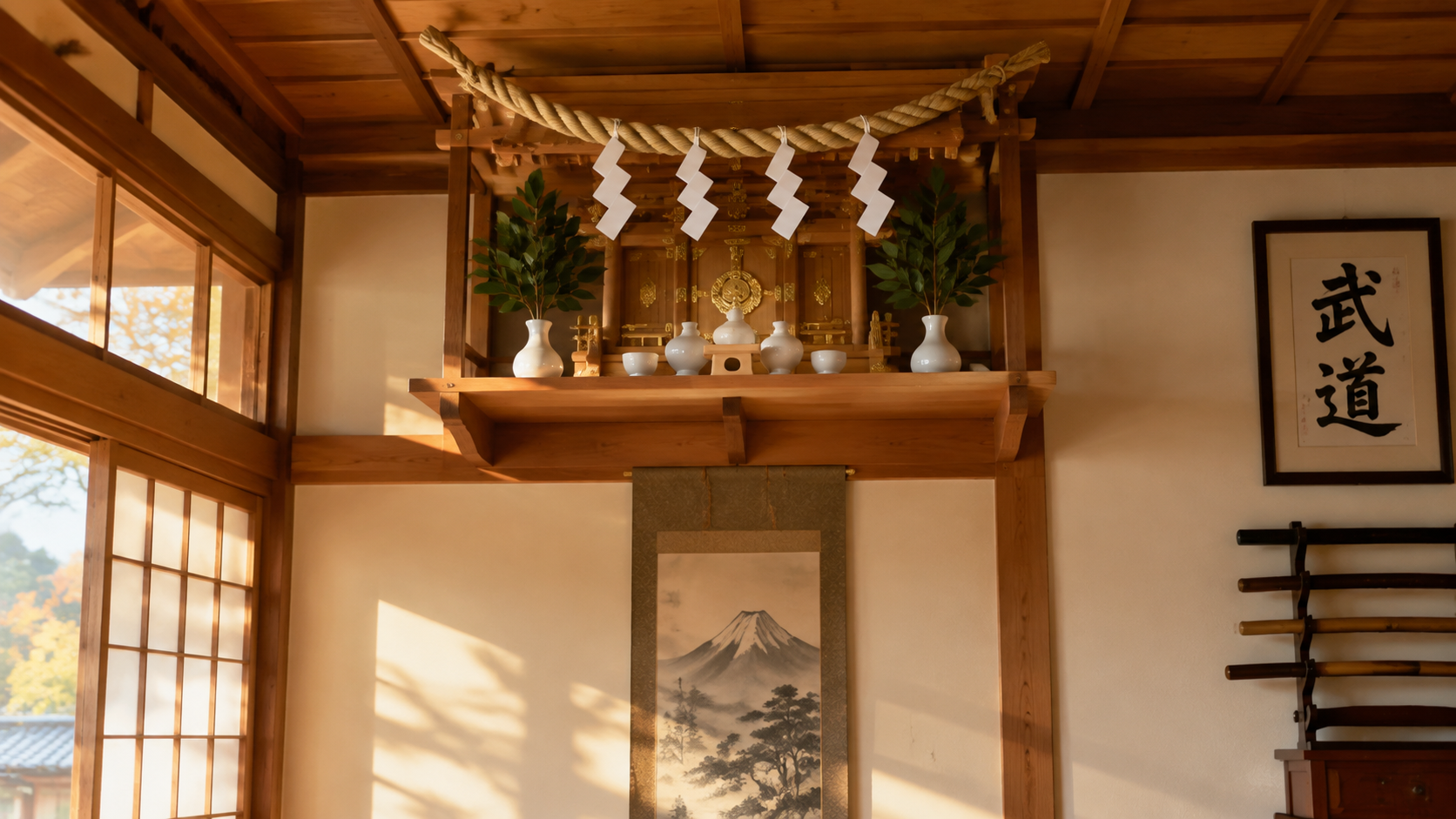
Capture the sacred Shinto shelf near the upper wall to document the spiritual connection inherent in this Kyoto warrior arts attraction. Frame the shot from a respectful distance to include the balanced composition of the surrounding architectural elements found in these private samurai experience kyoto tickets.
Frame the minimalist transition between the street and the training space to emphasize the exclusive nature of your private samurai experience kyoto tour. The clean lines of the sliding door entrance offer a professional perspective for those documenting their arrival at this Nakagyo Ward landmark.
Choosing a private samurai experience kyoto allows your family to engage with history at a pace tailored to your children's interest levels. These sessions prioritize a supportive atmosphere, making the martial arts and cultural lessons accessible for younger participants.
Children as young as 3 years old are generally welcomed to attend, though specific training gear may require a minimum age of 5 or 7 to ensure a proper fit and safe handling during the private samurai experience kyoto tour.;Pacing
Visitors planning a private samurai experience kyoto will find several dining options nestled within the historic Nakagyo Ward streets. While no food is served on-site, guests frequently enjoy traditional Japanese fare just a short walk from the venue.
Located a 3-minute walk away, this spot is perfect for matcha and wagashi after your private samurai experience kyoto tour. It offers a quiet atmosphere ideal for reflecting on your session.;Men-ya Inoichi
Everything you need to know for your journey
The Samurai Experience is open from 11:00–20:30 daily.
There is 0 JPY public entrance fee as all services are private lessons with prices varying by package.
You are required to arrive 15 minutes before your scheduled private session.
Yes, this private samurai experience kyoto is designed for exclusive group and family sessions.
Photography is generally allowed, but you must respect the privacy and policies of the Samurai Experience instructors.
You will be provided with traditional training attire, so wear comfortable clothes and socks.
Items such as personal blades and large bags are prohibited at the Samurai Experience.
You can book your session through the official site at https://www.kyoto-samurai.jp.
If you do not arrive by your scheduled time, your session may be cancelled after 15 minutes.
Yes, there are several historic machiya and temples within a short walking distance of the Samurai Experience.
Join thousands of happy travelers who have discovered this incredible experience
Book Your Experience Now