

Quick answer
Kyoto delivers samurai experiences rooted in historical architecture and traditional etiquette training, typically held in machiya townhouses or temples within Higashiyama and Gion districts. Tokyo positions its programs as interactive entertainment in modern studios, emphasizing photo opportunities and streamlined sword demonstrations. Kyoto suits visitors prioritizing cultural immersion and historical context; Tokyo fits travelers seeking convenience and faster sessions near major transit hubs. Both cities offer legitimate instruction, but the atmosphere and teaching philosophy diverge significantly.
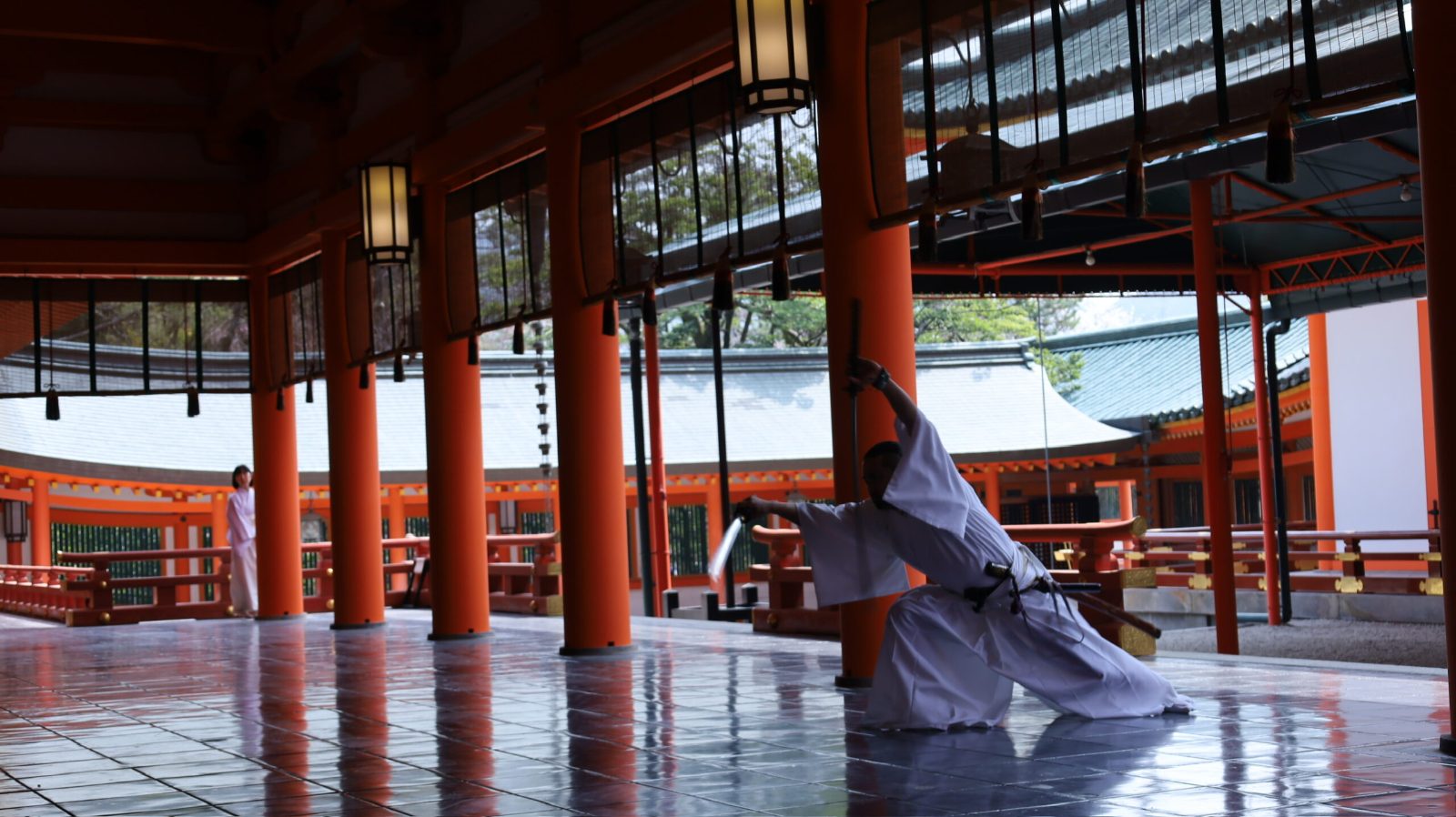
The samurai class dissolved in 1876, yet two cities continue to shape how visitors encounter that legacy today. Kyoto preserved the physical spaces where samurai lived and trained—narrow stone paths, wooden dojos, temple grounds—while Tokyo rebuilt itself as a metropolis that packages warrior culture into compact, accessible formats. Kyoto's samurai experience programs operate in Nakagyo and Higashiyama wards, often within restored merchant houses or near Kiyomizu-dera temple. Instructors here emphasize reigi-saho, the codified etiquette that governed samurai conduct, alongside sword handling. Sessions typically run 90 to 120 minutes and include formal bowing sequences, posture correction, and the vocabulary of bushido philosophy. The Samurai Experience facility at 292 Higashimonzencho, open daily from 09:30 to 19:30, exemplifies this approach: participants wear full yoroi armor, practice kata forms with wooden swords, and move through a curriculum that mirrors Edo-period training hierarchies. The 3,300 JPY entry fee reflects Kyoto's model of extended, detail-oriented instruction. Tokyo clusters its samurai offerings in Shinjuku, Asakusa, and Shibuya—districts designed for rapid tourist turnover. Programs here compress training into 60-minute blocks, prioritizing sword-drawing photo sessions and simplified cutting techniques over ritual or history. Venues occupy multi-story commercial buildings rather than heritage sites. The instruction remains technically sound, but the pedagogical goal shifts: Tokyo wants participants to leave with shareable content and a basic skill memory, not a grasp of samurai social structure. This model suits travelers with tight itineraries or families seeking interactive activity between museum visits. The comparison between samurai training in Kyoto and Tokyo ultimately hinges on pacing and purpose. Kyoto's programs assume you will spend an afternoon absorbing context, learning why samurai moved and spoke as they did. Tokyo assumes you have an hour and want the kinetic experience stripped of ceremony. Neither approach is more authentic in absolute terms—both teach real techniques—but they reflect divergent philosophies about how cultural heritage should meet modern tourism.
“Kyoto preserved the physical spaces where samurai lived and trained, while Tokyo rebuilt itself as a metropolis that packages warrior culture into compact, accessible formats.”
Opening Hours for Your Samurai Experience Kyoto Visit
The samurai experience in Kyoto maintains consistent daily operating hours throughout the week to assist with your itinerary planning.
| Monday | 09:30–19:30 | |
|---|---|---|
| Tuesday | 09:30–19:30 | |
| Wednesday | 09:30–19:30 | |
| Thursday | 09:30–19:30 | |
| Friday | 09:30–19:30 | |
| Saturday | 09:30–19:30 | |
| Sunday | 09:30–19:30 |
Combining Your Samurai Experience Kyoto vs Tokyo Trip with Nearby Sights
The location at 292 Higashimonzencho is situated in central Kyoto, making it simple to combine your samurai session with visits to historic landmarks that define the city's feudal era. These nearby sites offer thematic continuity for those exploring the heritage of the warrior class.
Nishiki Market
This historic market offers a look at the culinary traditions that sustained Kyoto residents for centuries and provides a contrast to the martial focus of your experience. Nishiki Market Kyoto scene
Nijo Castle
As the former residence of the Tokugawa Shogunate, this castle features architecture and defensive designs specifically engineered to protect against samurai-era threats. Nijo Castle Kyoto architecture
Kyoto Museum of Crafts and Design
This institution showcases the traditional industries and artistic techniques that supported the lifestyle and equipment requirements of historical Kyoto nobility. Kyoto Museum of Crafts and Design
Check availability
Frequently asked questions about samurai experience kyoto vs tokyo
Everything you need to know about samurai experience kyoto vs tokyo